Korva is a scroll of the internet’s best ideas.

Habits slow technology down
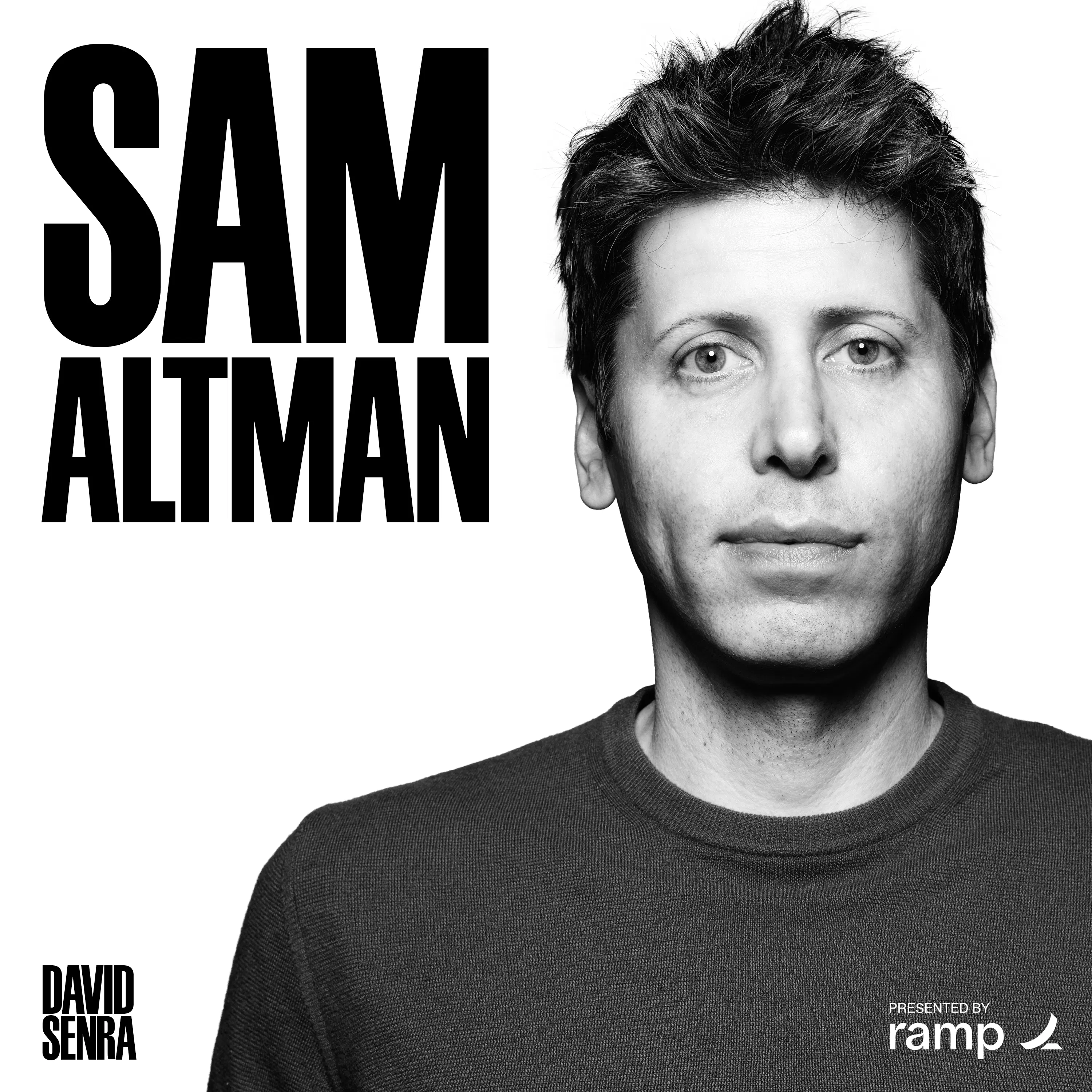
Software's slow disruption
After GPT-4 arrived in 2023, the expectation was much more disruption of software businesses, much faster than it turned out to be. People keep doing the same things they have been doing. That slows a big transition and makes it smoother, and it means timelines have been too ambitious even with this technology.
Ellison's wall
Larry Ellison ran into the same wall in the 1980s: this was not a software problem but a people problem. The software could be installed, but people weren't using it, and their behavior had to change.
Netflix and Blockbuster
Netflix shipped DVDs by mail even before it streamed, and people still went to Blockbuster. Force of habit is much harder to change than tech people realize.
How did Netflix beat Blockbuster?
Reed Hastings and Marc Randolph founded Netflix in 1997 and began renting DVDs by mail in 1998. Netflix launched streaming in 2007. Blockbuster peaked at more than 9,000 stores in the mid-2000s and filed for bankruptcy in 2010. Even with the mail service available, most customers kept walking into stores for years.
Why do people resist switching software?
Switching has costs beyond price, such as learning a new interface, moving data, and retraining a team. William Samuelson and Richard Zeckhauser documented in 1988 that people disproportionately stick with the current option even when alternatives are better. The effect is called status quo bias. Companies that sell software count on it, because customers who have settled into a tool tend to renew.
How long did electricity take to change factories?
Factories had access to electric power from the 1880s, yet the economy-wide productivity gains took until the 1920s. The economist Paul David explained this in a 1990 paper titled The Dynamo and the Computer. Early factories simply swapped electric motors for steam engines and kept the old layouts. The big gains came once owners redesigned buildings around machines with their own motors, a change that took about four decades.
More from David Senra