Korva is a scroll of the internet’s best ideas.
HAL's song was a computer first
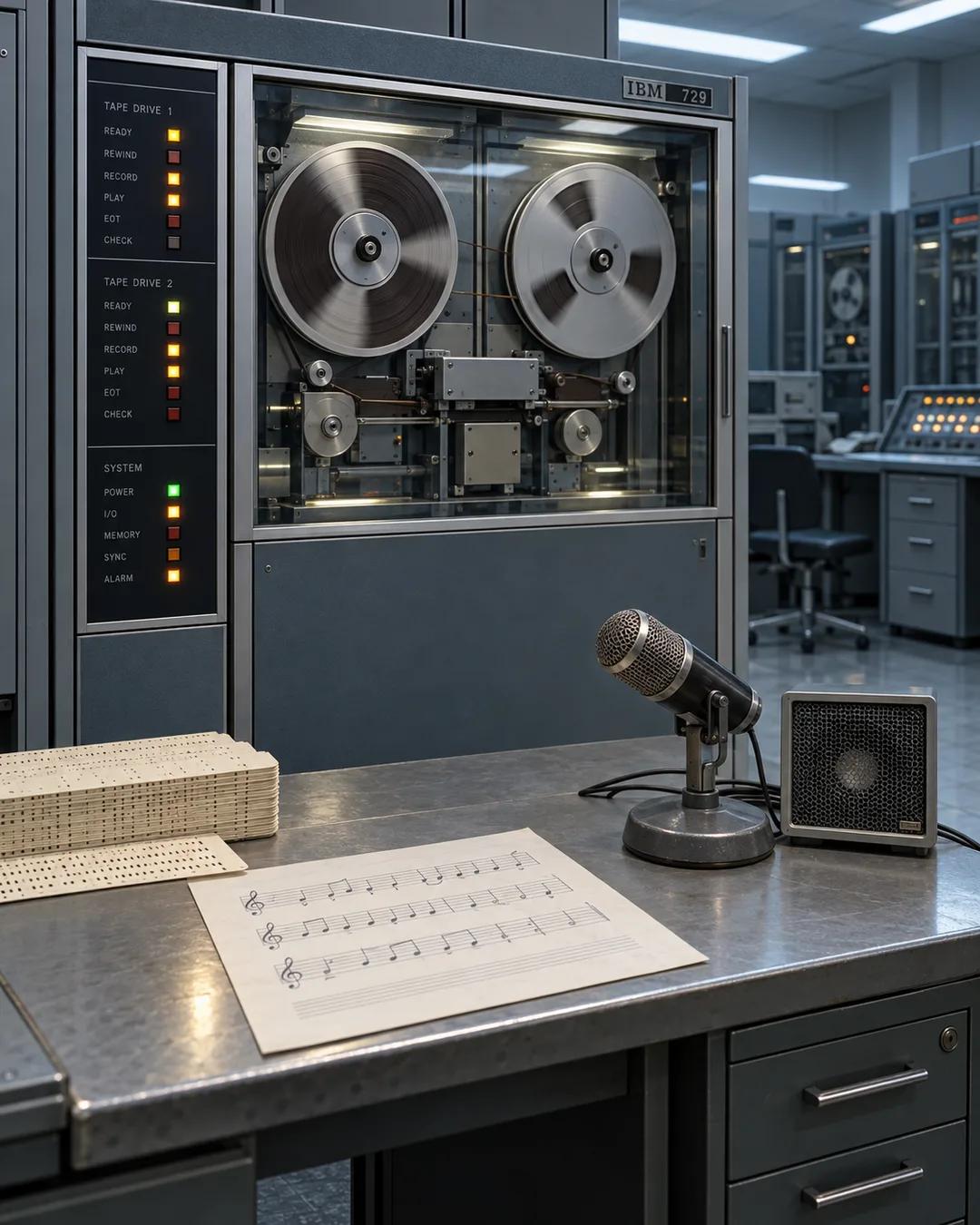
Arthur C. Clarke, who wrote the novel 2001, visited Bell Laboratories in 1962. John Kelly was running voice synthesizer experiments there with an IBM 7094, and the machine sang the first song ever sung by a computer.
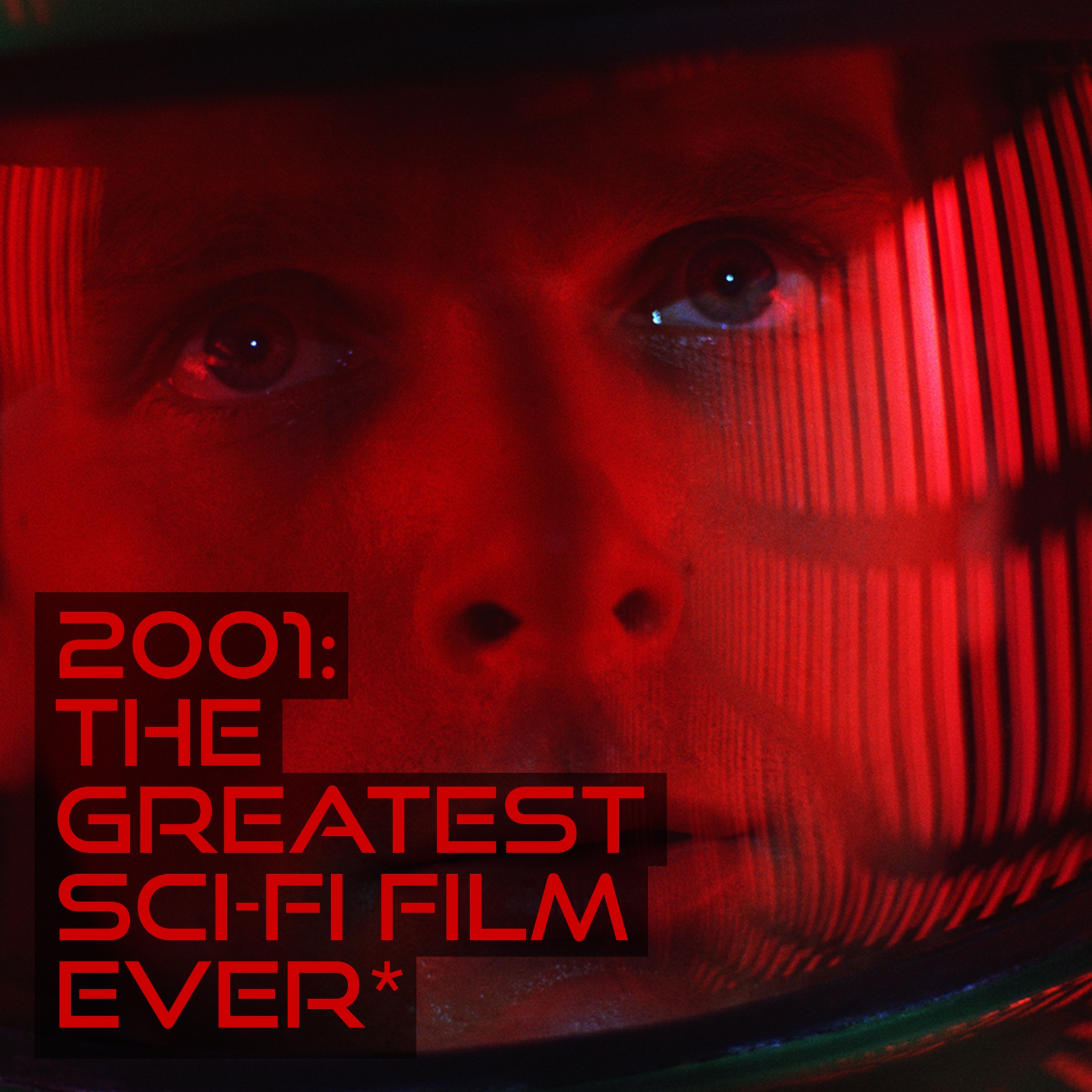
In the film, as Dave takes down HAL's higher functions, HAL mentions that his instructor, Mr. Langley, taught him to sing a song. He offers to sing it, names it as Daisy, and begins.
The song, known as Bicycle Built for Two, was Clarke's contribution to the film. It makes HAL's last performance an echo of the demonstration at the lab Clarke had visited a few years before.
How did an IBM computer learn to sing?
Bell Labs researchers gave the machine a model of the human vocal tract, so it could turn numbers into vowels and consonants. Carol Lochbaum wrote the vocal tract program, and John Kelly and Louis Gerstman worked on the speech synthesis. Max Mathews, a Bell Labs engineer, supplied software that generated the musical accompaniment. Mathews is often called the father of computer music.
How does a voice synthesizer build speech?
Early synthesizers modeled speech as a buzzing or hissing source passed through a set of resonances, called formants. Each vowel has its own pattern of formants, so a program that sets those patterns frame by frame can produce recognizable speech. A converter then turns the numbers into sound. Bell Labs engineer Homer Dudley showed a keyboard-operated speech machine, the Voder, at the 1939 New York World's Fair.
Why do viewers link HAL's name to IBM?
Shifting each letter of HAL forward by one in the alphabet gives IBM, and fans noticed the pattern soon after the film appeared. Clarke said it was a coincidence. In the novel, the name stands for Heuristically programmed ALgorithmic computer.
More from Every Single Sci-Fi Film Ever*