Korva is a scroll of the internet’s best ideas.
MGM funded a think tank
The AI Consultants
Marvin Minsky, co-founder of MIT's Artificial Intelligence Lab, consulted with Kubrick and Clarke about HAL. He had made theoretical breakthroughs on neural networks in the 1960s. The other consultant was I.J. Good, a UK computer scientist who worked with Alan Turing at Bletchley Park during the Second World War and later coined the term technological singularity.
Access To Bell Labs
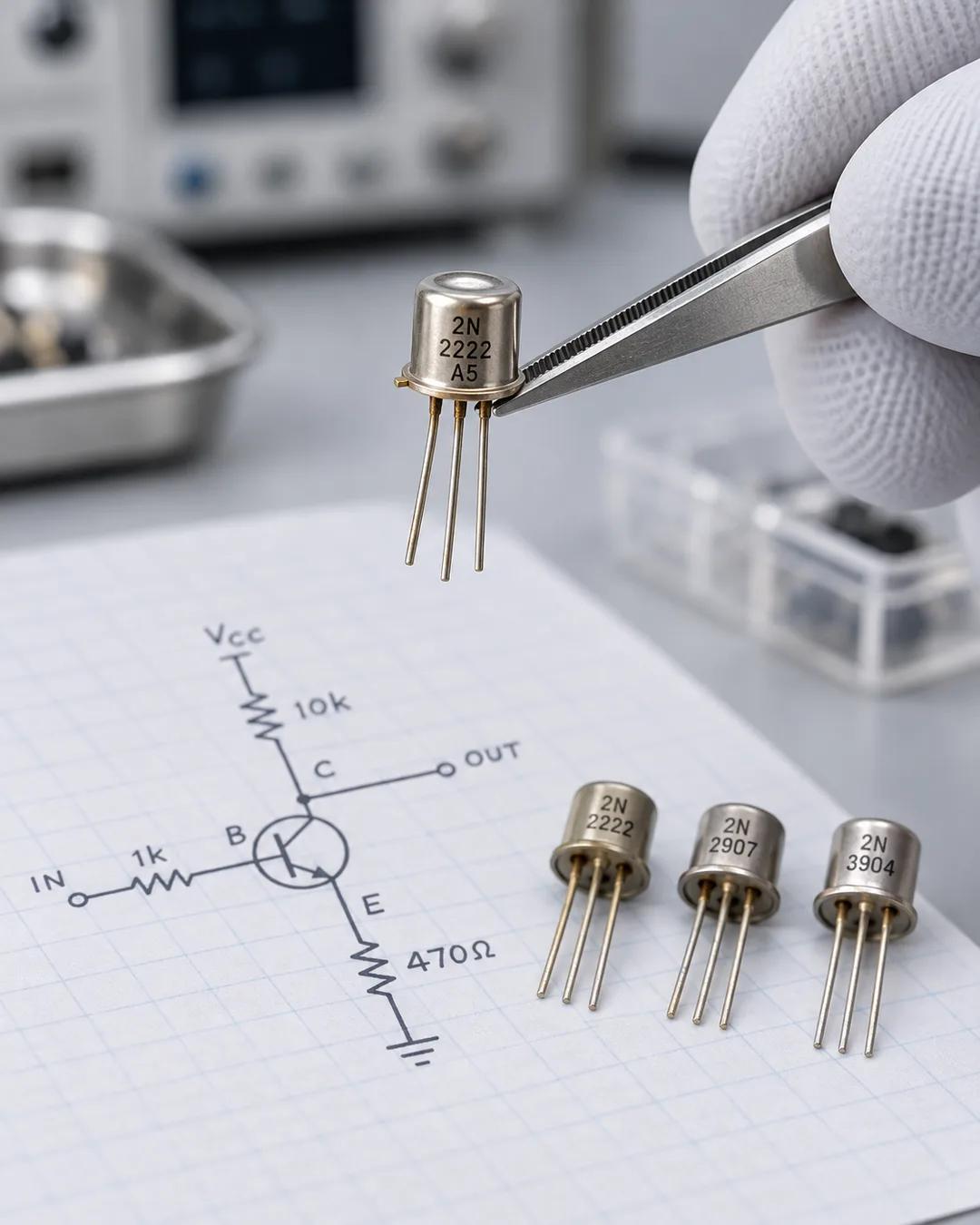
At Bell Labs, researchers were developing the transistor and coining its name, and the production reached the people who were designing and building the future. Clarke's credibility and Kubrick's standing after Dr. Strangelove opened those doors. These were people who directly provided input, not underlings helping a Hollywood production.
What Showed On Screen
The result shows on screen. The avionics on the Pan Am space plane look convincing, and the sleek flat-screen environment includes iPad-like devices on a table showing a BBC documentary interview with an astronaut. Alien, released 11 years later, has CRT monitors and toggle switches.
What made Minsky's neural network work influential?
Minsky built an early neural network machine called SNARC in 1951, with Dean Edmonds, using about 40 artificial neurons made from vacuum tubes. In 1969 he and Seymour Papert published Perceptrons, a book showing the limits of simple single-layer networks. Many historians of artificial intelligence link the book to a slowdown in neural network funding through the 1970s. Minsky received the Turing Award in 1969.
How did Bell Labs name the transistor?
The transistor was invented at Bell Labs in December 1947 by John Bardeen, Walter Brattain, and William Shockley. The name was coined by John R. Pierce, a Bell Labs engineer, as a blend of transfer and resistor. The three inventors shared the 1956 Nobel Prize in Physics.
How did Good picture an intelligence explosion?
In 1965 Good wrote a paper titled Speculations Concerning the First Ultraintelligent Machine. He argued that a machine surpassing human intellect could design even better machines, so its intelligence would rapidly outrun ours. He called such a machine the last invention humans would need to make, provided it stayed docile enough to tell us how to keep it under control. The paper appeared in the volume Advances in Computers.
More from Every Single Sci-Fi Film Ever*