Korva is a scroll of the internet’s best ideas.
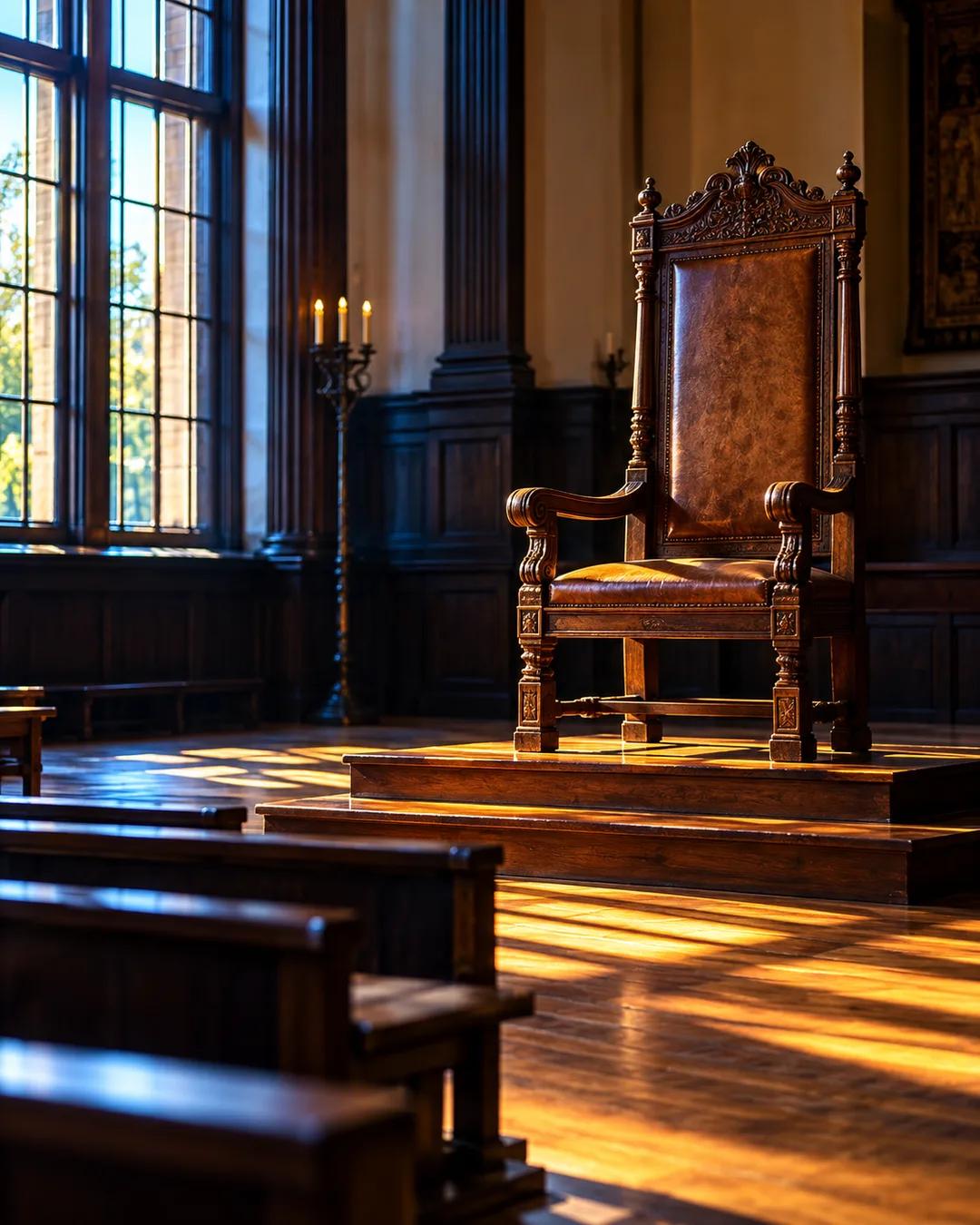
Hamilton proposed a governor for life
A lifetime executive
Hamilton was unfriendly to both the Virginia and New Jersey plans, and he opened with a list of principles that included the line: men love power. His youth in the Caribbean and his years as a continental officer had left him with a deeply negative view of human nature, and it shaped his idea of government.
His lower house was familiar enough: representatives elected to three-year terms by universal male suffrage. But the Senate and the executive, whom he called a governor, would serve for life, impeachable only if they behaved badly, and the national government would appoint the state governors. He called the Virginia Plan pork with a little change of the sauce, and complained that the people were tiring of an excess of democracy.
He was not alone in fearing democracy. Elbridge Gerry had said that the evils they experienced flowed from its excess, and many delegates feared tyranny at both ends, from kings above and mobs below. Hamilton did not think a lifetime executive who could be impeached amounted to a king.
The room's response
The room did not buy it. Connecticut's Dr. William Johnson summed up the reception: though Hamilton had been praised by everybody, he had been supported by none. The secrecy rule likely emboldened him, but word leaked, and political foes later branded the war hero a closeted monarchist. The six-hour speech became one of his costliest mistakes.
Why did Hamilton admire the British system?
Hamilton saw Britain's hereditary monarchy and House of Lords as a stabilizing force against popular passions. He argued that a permanent executive would have no incentive to chase short-term popularity. The British model also appealed to him because it had produced a strong central treasury and credit system. He would later put the same instinct into practice as the first Treasury Secretary.
Was his plan ever voted on?
Hamilton never formally introduced it as a motion for a vote. He gave Madison a written outline afterward, and Madison copied it into his records. Hamilton left the convention for stretches in the summer, since the New York delegation was outvoted by his two colleagues. When the Constitution was signed, he was the only New York delegate to sign.
More from History That Doesn't Suck