Korva is a scroll of the internet’s best ideas.
Haunted house pleaders draw helpers
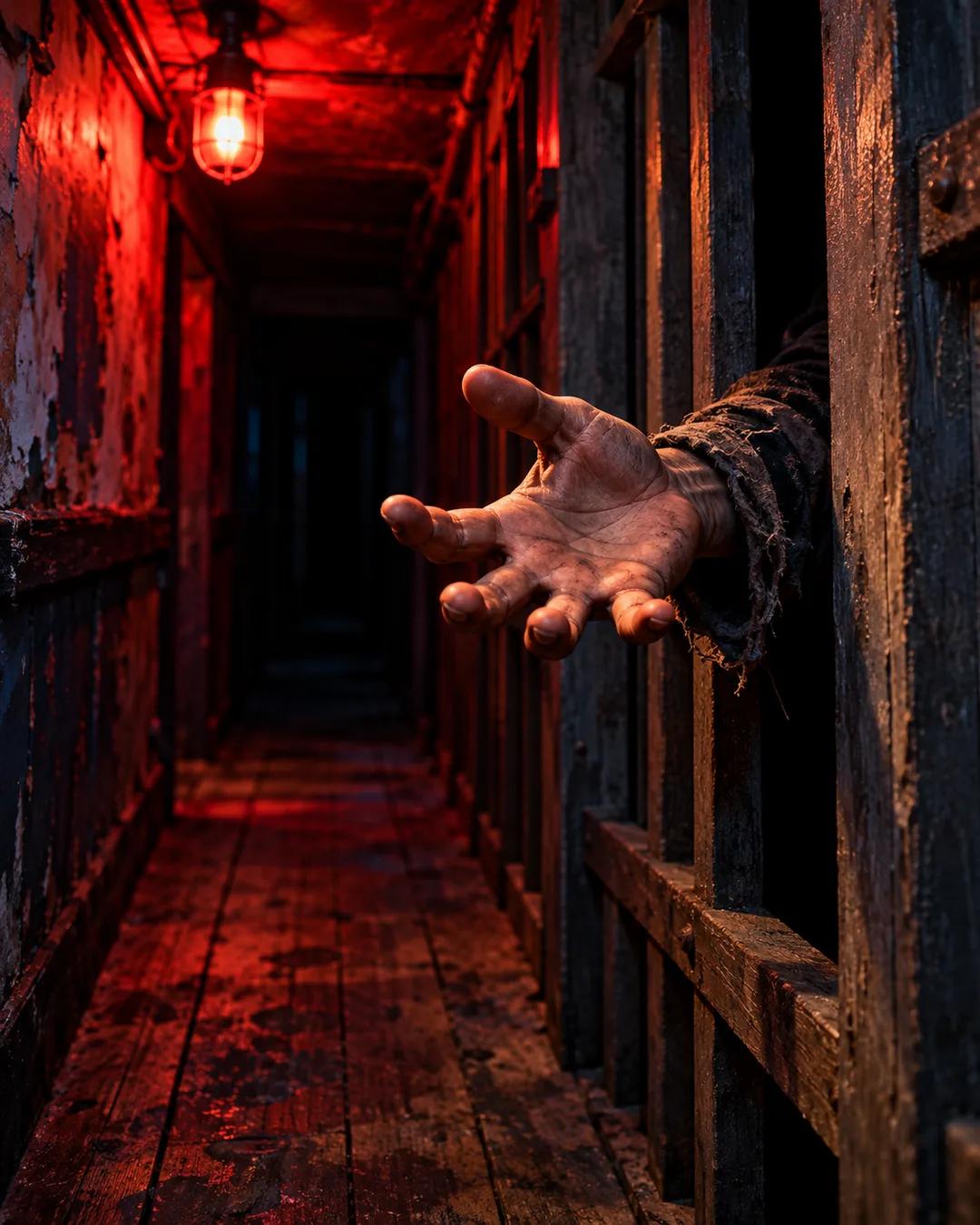
Ben Armstrong owns Netherworld Haunted House in Georgia, one of the best-known haunted attractions around Halloween. Its pleaders are usually young actors who play visitors held captive somewhere along the route. Guests can stop and try to help them escape or keep walking, and maybe they suspect a trap, or maybe they are too afraid to try.
Everyone knows the pleaders are actors, and nothing requires anyone to help. Even so, they are among the most successful parts of the haunt. Their cries for help almost always pull guests in, because the pleaders look like vulnerable characters in the story and set off an empathy response.
The owner heard about a study finding that horror fans are no less empathetic than other people and thought it made sense, given how well the pleaders work.
How did haunted houses become big business?
Charity haunted houses run by groups such as the Jaycees spread across the United States in the 1970s. The Jaycees used them to raise money for local causes. Commercial haunts followed in the decades after, and many added professional actors, sets, and special effects. Today the attractions run on a seasonal calendar centered on Halloween.
Why does a plea for help trigger empathy?
Social psychologist Daniel Batson proposed the empathy-altruism hypothesis in the 1980s. It holds that feeling empathic concern for a person in need produces a motive to help that person for their own sake. In his experiments, people who were led to feel empathy for someone in need helped even when they could easily walk away.
Why do haunt actors use misdirection?
Attention is selective, so people focus on one thing and miss what happens elsewhere. In 1999, psychologists Daniel Simons and Christopher Chabris asked viewers to count basketball passes, and nearly half never noticed a person in a gorilla suit walk through the scene. Haunted attractions rely on the same limit when one actor holds a guest's gaze while another waits outside it. Magicians have used the same principle for centuries.
More from Hidden Brain