Korva is a scroll of the internet’s best ideas.
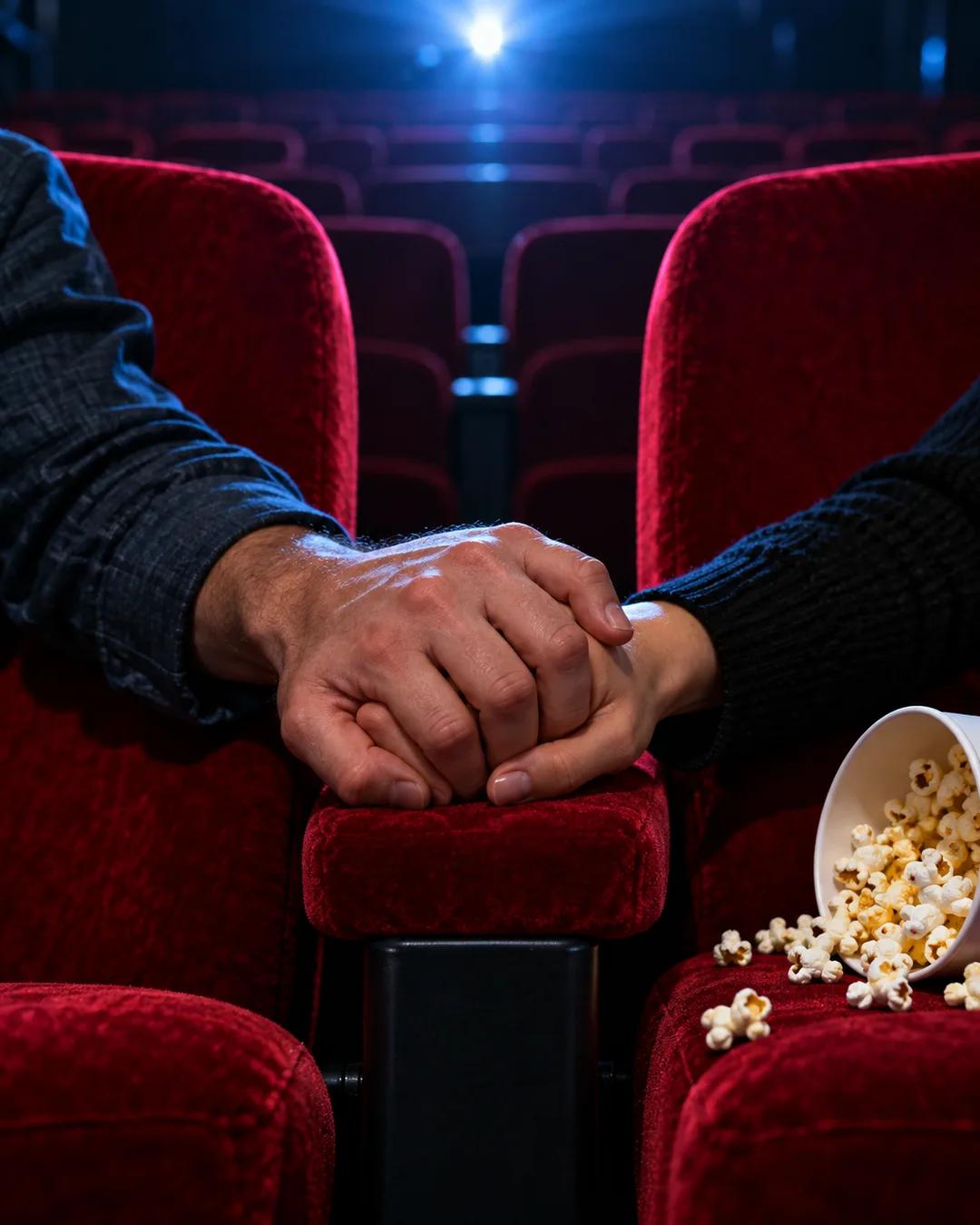
Horror fans are just as empathetic
What critics assumed
Critics have long assumed the opposite. Roger Ebert and Gene Siskel, two of the best-known movie critics of their time, went after the people who watched slasher films as much as the films themselves. Ebert called Friday the 13th: The Final Chapter immoral and reprehensible trash, and Siskel called its fans depraved and woman-hating. A New York Post review of Saw went further and argued that its fans should be kept away from animals.
Ordinary people hold the same intuition. In one study, hundreds of randomized fake profiles listed only a name, an age, a sex, and a favorite movie genre. Participants guessed that profile owners who liked horror were unkind, not compassionate, and lacking in empathy.
What studies found
A series of studies on real horror fans found that they looked just like a non-horror control group, with no relationship between how big a fan someone was and how empathetic they were. The few significant results ran in the opposite direction. Fans of paranormal horror scored higher on cognitive empathy, the ability to take another person's perspective.
Why horror needs empathy
Horror works through empathy. A viewer imagines being in the victim's shoes, and fear on screen only lands if that happens. Monsters frighten audiences because they kill people the audience imagines itself to be, which is why a film like Jaws is about the people menaced by the shark.
How does cognitive empathy differ from emotional empathy?
Cognitive empathy is working out what another person thinks or feels, while emotional empathy is feeling something yourself in response. Psychologists often treat them as separate abilities that can come apart. A person can read others accurately without being moved by what they read. The same skill sits at the center of theory of mind, the ability to attribute thoughts to other people. The Sally-Anne false-belief test, published by Simon Baron-Cohen and colleagues in 1985, became the standard way to study this skill in children.
How do people judge strangers from their tastes?
Psychologists Jason Rentfrow and Samuel Gosling reported in 2003 that music preferences link to personality traits. In later work they found that strangers use those preferences to form impressions of each other. People hold stereotypes about the types of people who like each genre, and the stereotypes are often only partly accurate. The same process applies to movie genres, which is what the fake-profile studies tap.
Why did Jaws show so little of its shark?
The mechanical shark kept malfunctioning in salt water during the 1974 shoot. Director Steven Spielberg suggested the animal instead with yellow barrels, camera movement, and John Williams's two-note theme. The opening scene follows a swimmer being pulled under with no monster visible, which places the audience in her position. The crew named the shark Bruce after Spielberg's lawyer, Bruce Ramer.
More from Hidden Brain