Korva is a scroll of the internet’s best ideas.
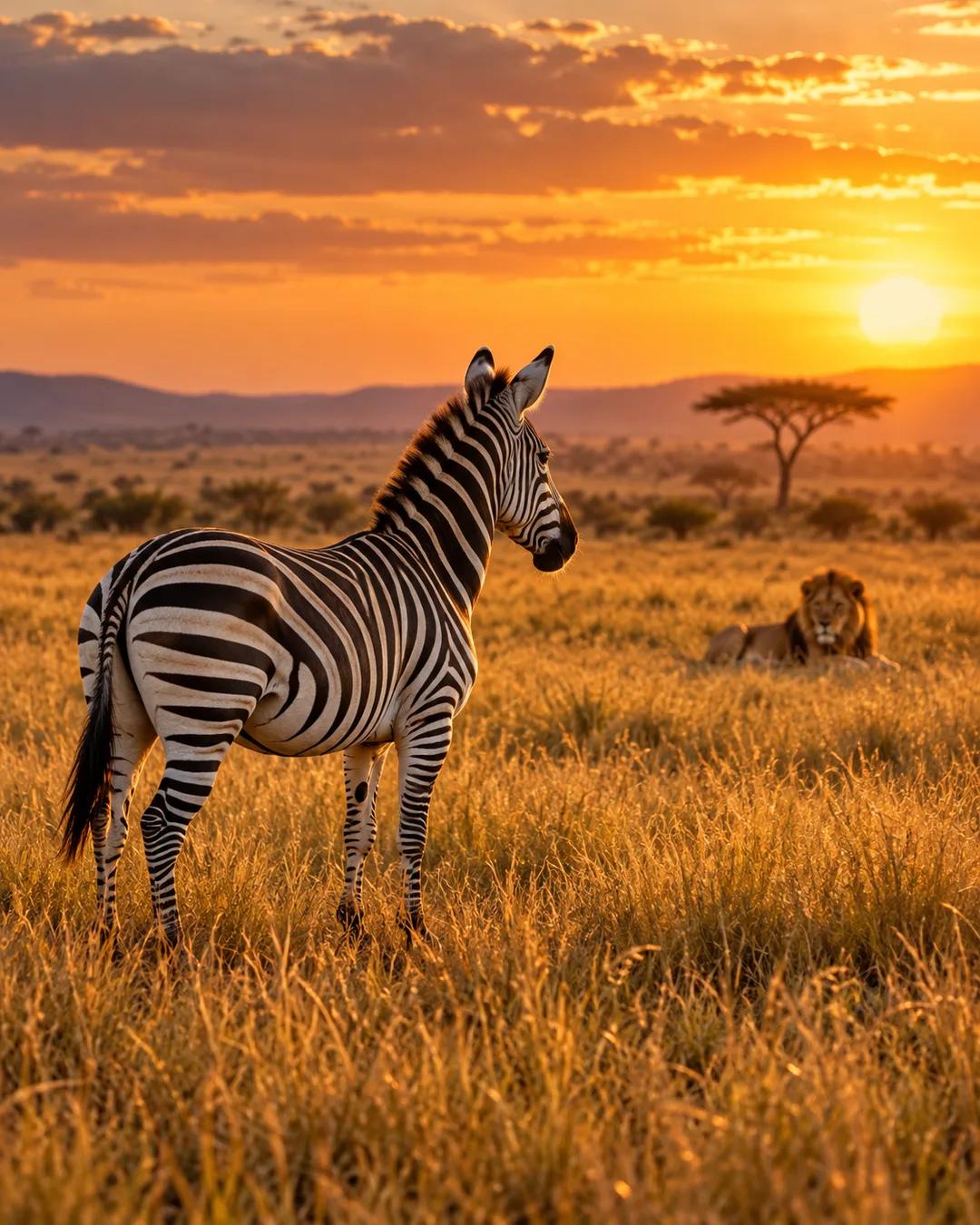
Prey animals stop to study predators

Prey animals live in close proximity to their predators, so a zebra that bolted at every lion it saw would be running for most of its life. That burns calories it would otherwise save, eats time it would spend grazing, and puts it at higher risk of being caught later on.
Watching pays off in another way. An animal that knows its predators' moods, and what they look like when they are hungry or hunting, can get away more efficiently when it counts.
The watching follows a pattern. Gazelles look at a cheetah more often when they are in a larger group and when they are farther from the cheetah. Adolescent and subadult gazelles do it much more than adults.
How do fish inspect predators?
Biologists documented predator inspection in fish in the 1980s. In studies by Anne Magurran and colleagues, guppies and minnows left their shoal to approach a predator, looked it over, and swam back. Inspecting fish tend to go in pairs or small groups. Manfred Milinski's 1987 experiments with sticklebacks used a mirror to simulate a partner.
Why does a bigger group allow more watching?
Ornithologist H. Ronald Pulliam published a model in 1973 showing that as flock size rises, each bird can spend less time scanning while the group still spots danger early. This is often called the many-eyes effect. W. D. Hamilton's 1971 paper on the selfish herd added a second benefit: in a big group, any one animal is less likely to be the one caught.
What is stotting in gazelles?
Thomson's gazelles sometimes leap straight up with stiff legs when they spot a predator, a behavior called stotting. One leading explanation is that it tells a stalking predator it has been seen, which makes a surprise attack pointless. Zoologist Tim Caro studied stotting for decades. Springbok perform a similar leap known as pronking.
More from Hidden Brain