Korva is a scroll of the internet’s best ideas.

Horror fans coped better with COVID
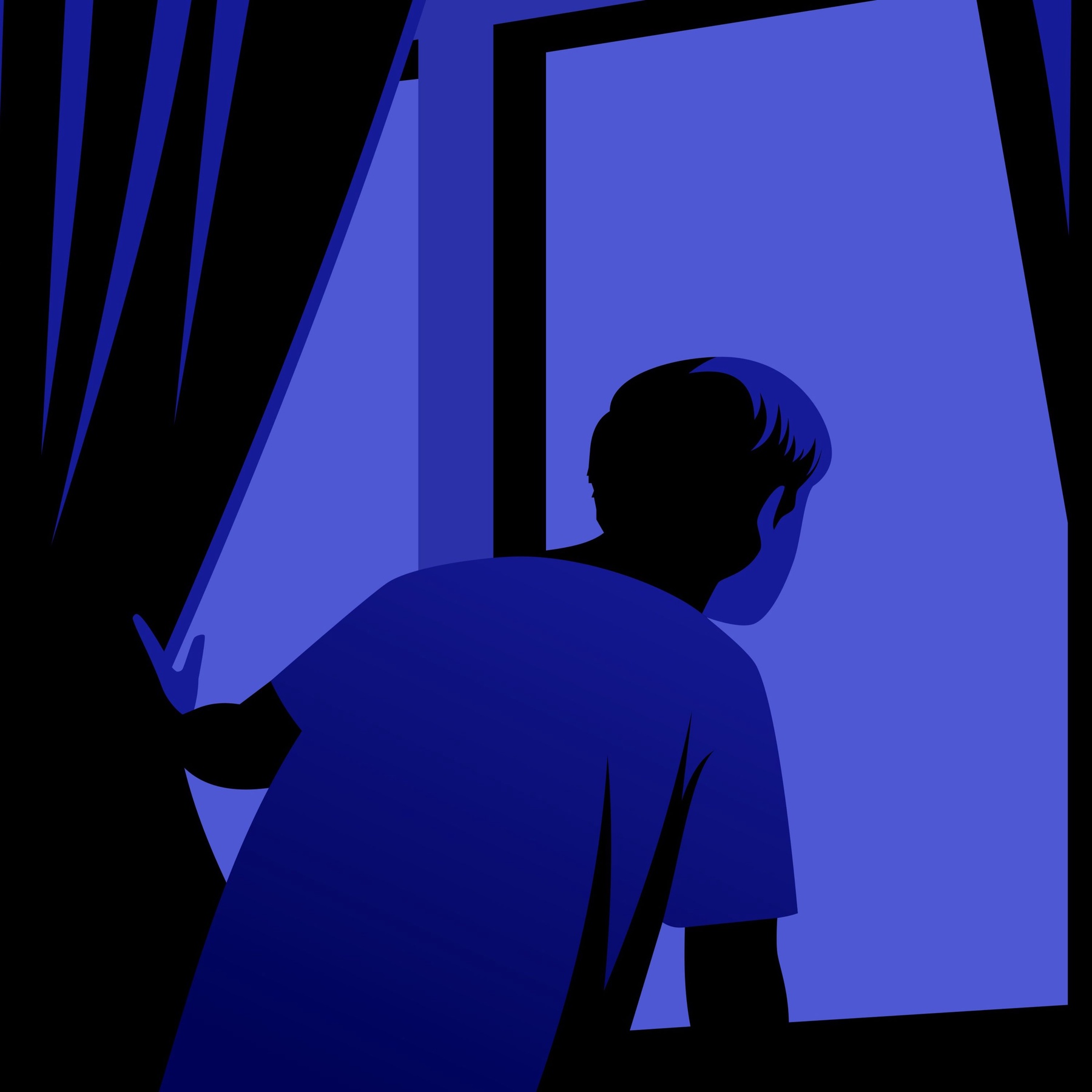
Researchers recruited a couple hundred people online, since nobody could come into the lab. Horror fans reported less psychological distress, and the gap held after the researchers controlled for the Big Five personality traits, age, income, and sex.
Morbid curiosity, an interest in threats of any kind, was isolated as its own variable. People who scored high on it were more optimistic about their ability to get through the difficult months. They kept their optimism about humanity and their ability to persevere despite how hard the world was.
The study followed a pattern people already noticed in themselves. Someone who feels stressed might be expected to watch a comedy or a rom-com, yet many seek out scary or hard-to-watch things when they feel bad. Horror fans had been writing on message boards like Reddit and in magazine op-eds about overcoming anxiety with horror, often discovering it by accident, and no research existed on it.
Why do researchers control for personality?
Personality traits can shape both the media people choose and how they feel. Neuroticism, a tendency toward negative emotion, is linked to anxiety and depression, and openness is linked to interest in unusual experiences. Researchers adjust for these traits statistically so that any leftover link between horror fandom and distress is not just personality in disguise. The five traits are openness, conscientiousness, extraversion, agreeableness, and neuroticism.
How much did COVID raise anxiety worldwide?
The World Health Organization reported in 2022 that the prevalence of anxiety and depression rose by 25 percent worldwide in the first year of the pandemic. The agency pointed to isolation, fear of infection, and loneliness as major drivers. Young people and women were affected most. Health systems that were already stretched had to absorb the extra demand.
How does horror let people rehearse fear?
Danish literature scholar Mathias Clasen argues in his 2017 book Why Horror Seduces that horror works as a simulation of threats in a safe setting. Viewers practice noticing danger, feeling fear, and regulating it. Clasen draws on evolutionary psychology, which holds that play often rehearses skills needed in real life. Predators such as lion cubs show the same pattern in rough-and-tumble play.
More from Hidden Brain