Korva is a scroll of the internet’s best ideas.
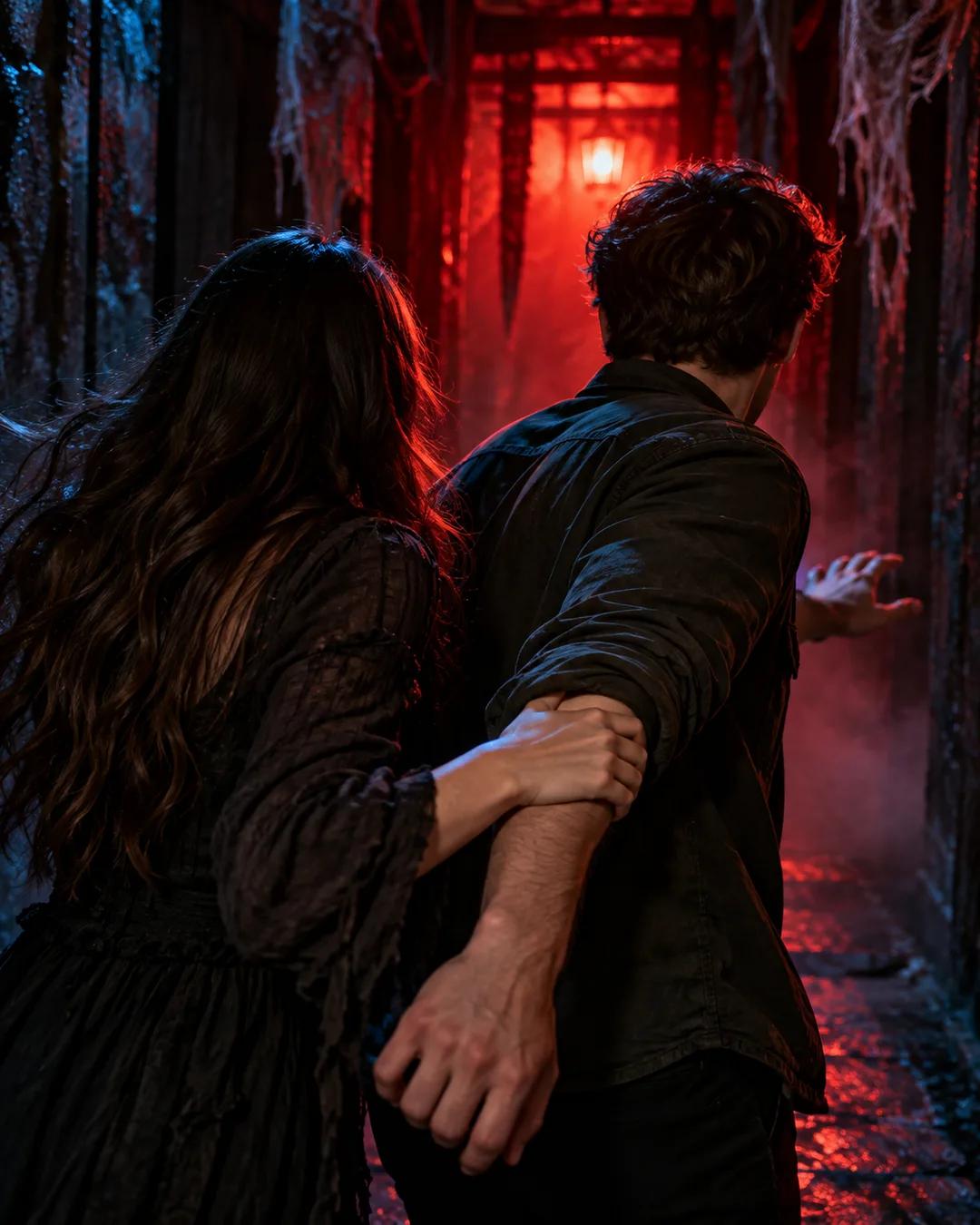
Scares reveal who'll stick by you
Most people at haunted attractions and horror movies are there with someone else, often a spouse, boyfriend, fiance, or girlfriend. Haunted attractions open from late September through Halloween, and when they open at another time of year it is almost always around Valentine's Day, a holiday for spending time with the people we love most.
A playful simulation of fear shows how people respond. If a friend acts protective and the two stick together, that is a good clue the friend is a cooperative partner. If a friend loses their cool and leaves the other behind, that is a clue they will not cooperate in a real threatening situation. A scare lets people learn about themselves and about potential partners and friends at the same time.
An older version of the idea is the snuggle theory of horror, from some of the earliest research on couples at scary movies. On a date, a man is expected to act brave, which gives him a good excuse to bring his date closer. She is expected to be a little fearful, which gives him the chance to act brave. People enjoy the movie because they get to live out those cultural expectations.
Why does fear make people feel closer?
In a 1974 study by Donald Dutton and Arthur Aron, men crossed either a high, wobbly suspension bridge over Capilano Canyon in British Columbia or a low, sturdy one. A female interviewer approached each man and gave him her phone number. Men on the high bridge were more likely to call her afterward. The researchers explained this as misattribution of arousal, in which the pounding heart from fear gets read as attraction.
Why do frightened people seek company?
Psychologist Stanley Schachter ran experiments on this in 1959. Participants who expected painful electric shocks were more likely to choose to wait with other people than participants who expected mild ones. They preferred others facing the same experience over people who were not. Schachter's findings became a foundation for research on why people seek others under stress.
Where did the snuggle theory come from?
The snuggle theory traces to a 1986 study led by Dolf Zillmann. Students watched a horror film alongside a companion of the opposite sex who acted either fearful or composed. Men liked their female companions more when the companions showed fear, and women liked male companions more when the companions showed mastery. The study fit traditional expectations about how dates should act.
More from Hidden Brain