Korva is a scroll of the internet’s best ideas.
He escaped to get shot
Life at Perkins
Brian was a patient at Clifton Perkins State Hospital, Maryland's only maximum security forensic psychiatric facility, where he had lived for seven years after being found not criminally responsible for killing his parents. Many patients there who had done time in prison preferred it: nobody wrote a skipped breakfast into their file as a psychological deficit, and a sentence had an end date.
The shank and the door
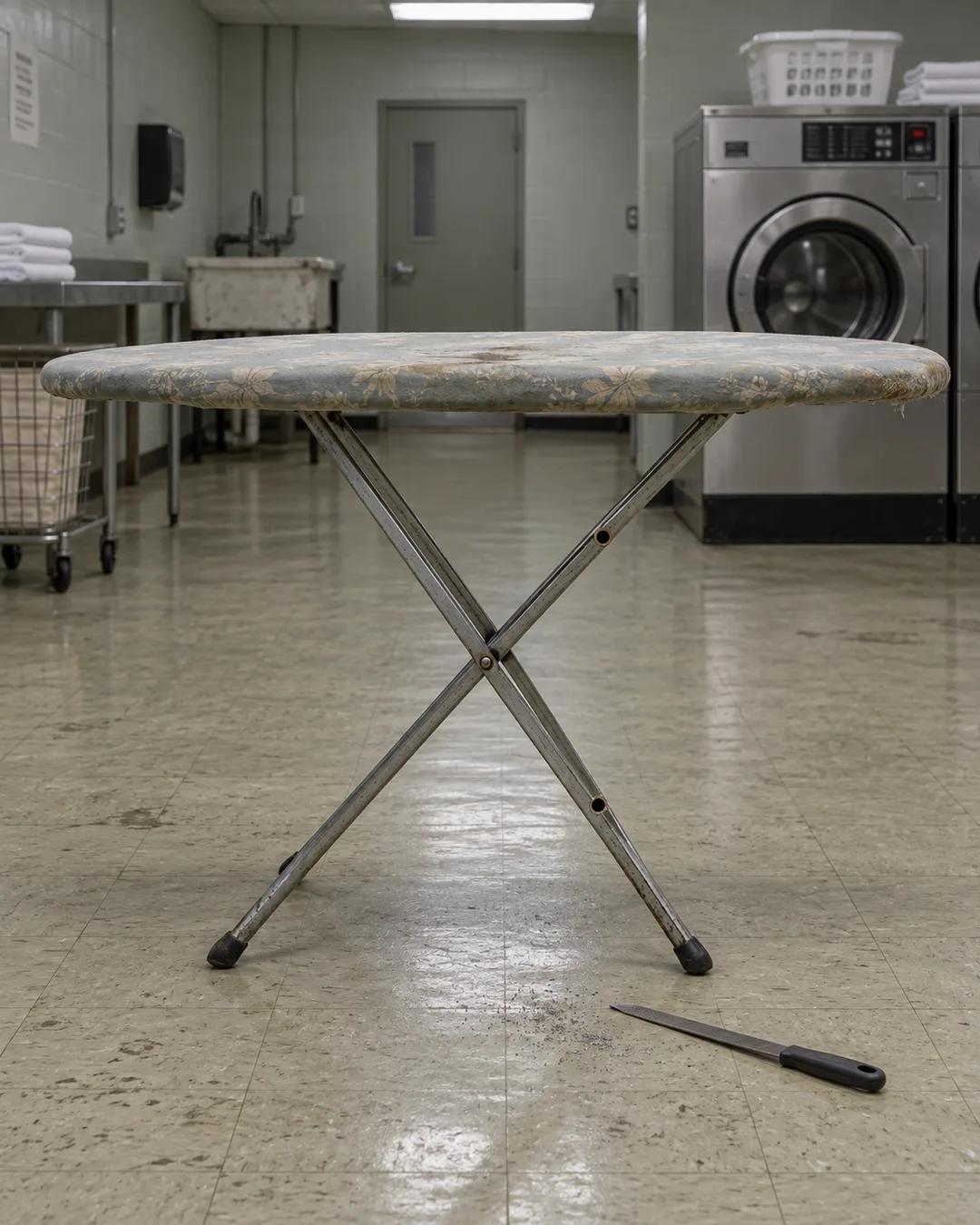
One day, alone in the laundry room, he broke a fourteen-inch support strut off an ironing board. He filed it down against the grout in his shower, made a sling for it, and wore it under his clothes. On Sunday, December 5, 1999, around 3:00 PM, he stood just inside the ward door during a shift change, when the guards were often distracted. A nurse unlocked the door, and Brian held up the shank and ordered her to take him out. Two unarmed security guards moved in, and he threatened to kill them if they didn't back off. They let him go.
The chase
He crossed the lobby and ran through the parking lot, and police found him walking along a road. When an officer drew a gun, Brian opened his arms and told him to shoot. He ran again, past a warehouse to the loading docks, where a man sat in a black pickup truck. He announced he would count to three, stab the man, and take the truck, so the officers had better be ready. As he counted and stepped toward the truck, an officer shot him once in the arm and twice in the stomach. He survived, and instead of jail he went back to Perkins.
Why do shift changes create security gaps?
Outgoing staff are busy briefing their replacements, and incoming staff have not yet looked over the area, so for a few minutes nobody has a complete picture. Head counts, key handoffs, and equipment checks all happen at once. Safety researchers treat these handoffs as a weak point in any round-the-clock operation. The Joint Commission, which accredits American hospitals, has repeatedly named handoff communication failures as a contributor to serious patient safety events.
How did the insanity defense originate?
English courts had excused people judged insane for centuries, but the modern test comes from 1843. That year Daniel M'Naghten, who believed he was being persecuted, shot and fatally wounded a government secretary he mistook for the prime minister, and he was found not guilty by reason of insanity. Public outcry led the House of Lords to ask the judges to state the law, and their answer, the M'Naghten rules, asked whether the accused knew the nature of the act or that it was wrong. Many American states still use a version of that test.
More from Criminal