Korva is a scroll of the internet’s best ideas.
Heavy crude suits Gulf Coast refineries

Heavy, sour crude
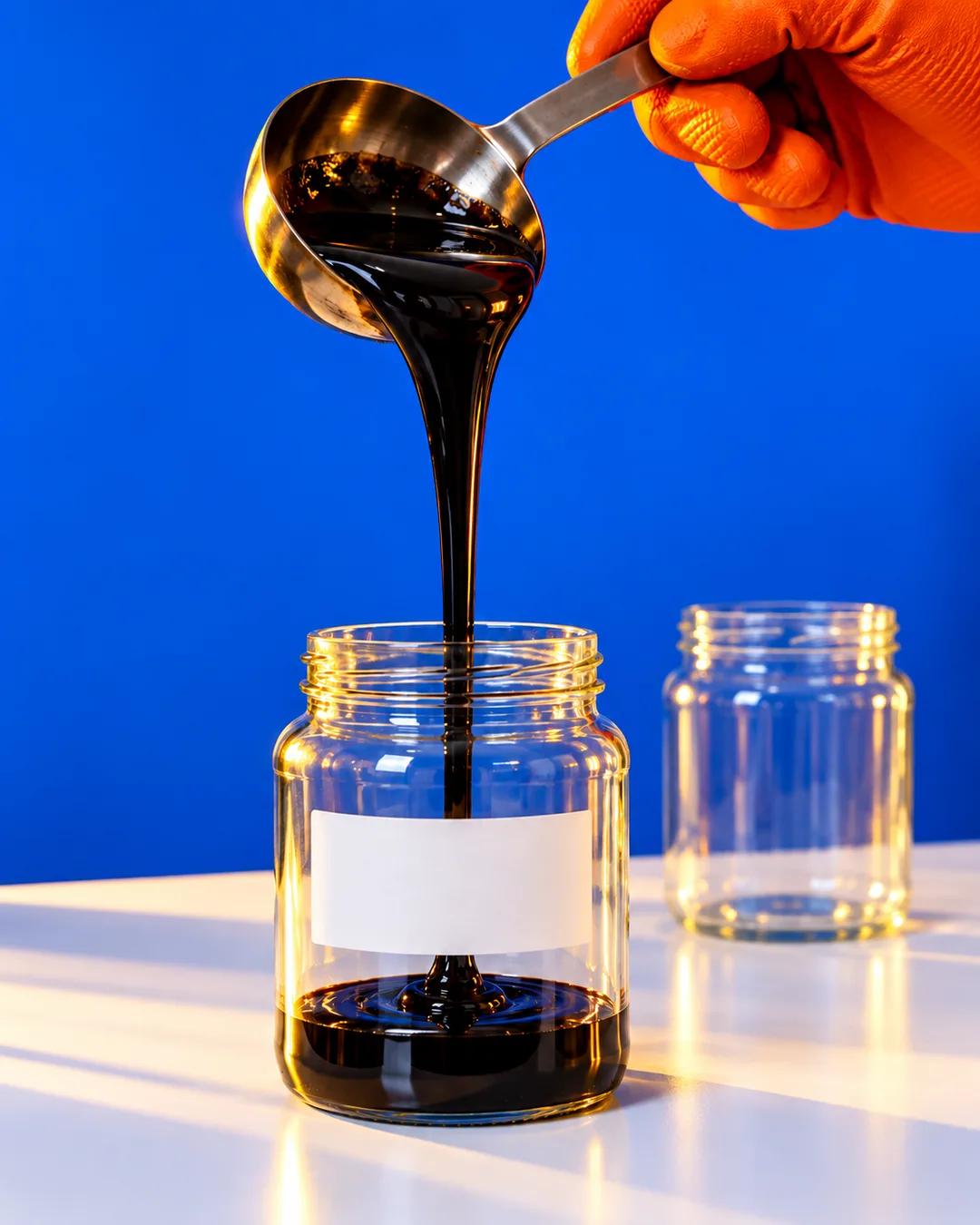
Oil is typically defined by its sulfur content, its impurities, and its weight. The industry measures this with API gravity, where lighter, easier-to-refine crude scores higher. Venezuela's benchmark crude, Merey 16, has an API gravity of around 16 degrees, a sulfur content of roughly 2.5 to 3.4%, and high concentrations of heavy metals like vanadium and nickel. It is heavy, sour, and full of impurities.
The discount
That is why it trades at a discount to Brent crude, one that has at times widened to over $20 per barrel during periods of heightened sanctions risk. Nobody pays full price for it, so the actual revenue from sales is almost certainly lower than headline estimates.
Gulf Coast refiners
Starting in the 1990s, American refiners spent billions building out coker units and deep conversion capacity specifically designed to process dense, high-sulfur crude from producers like Venezuela, Mexico, and Ecuador. Valero Energy alone has said it can run 300,000 barrels per day of Venezuelan crude through its existing coking capacity.
How does API gravity rank oil by weight?
API gravity is a scale developed by the American Petroleum Institute that compares an oil's density to the density of water. Water sits at 10 degrees on the scale, so oil above 10 floats on water and oil below 10 sinks. The scale runs backward from what intuition suggests: the higher the number, the lighter the oil. Crudes above roughly 31 degrees are generally called light, and those below roughly 22 are called heavy.
How does a coker turn heavy residue into fuel?
A delayed coker heats the thick residue left after distillation to roughly 500 degrees Celsius. At that temperature, the large molecules crack into smaller ones that become gasoline and diesel components, and a solid carbon residue is left behind. That solid is called petroleum coke. Petroleum coke is used to make the anodes for aluminum smelting.
Why do sour crudes sell for less?
Modern fuel standards limit sulfur sharply, so refiners must strip it out with hydrogen in a process called hydrotreating. That requires extra hydrogen, extra equipment, and corrosion-resistant metals, all of which add cost. Heavy crude also yields more low-value residue and less gasoline and diesel per barrel. Elemental sulfur recovered from refining is sold for use in fertilizer production.
More from Economics Explained