Korva is a scroll of the internet’s best ideas.
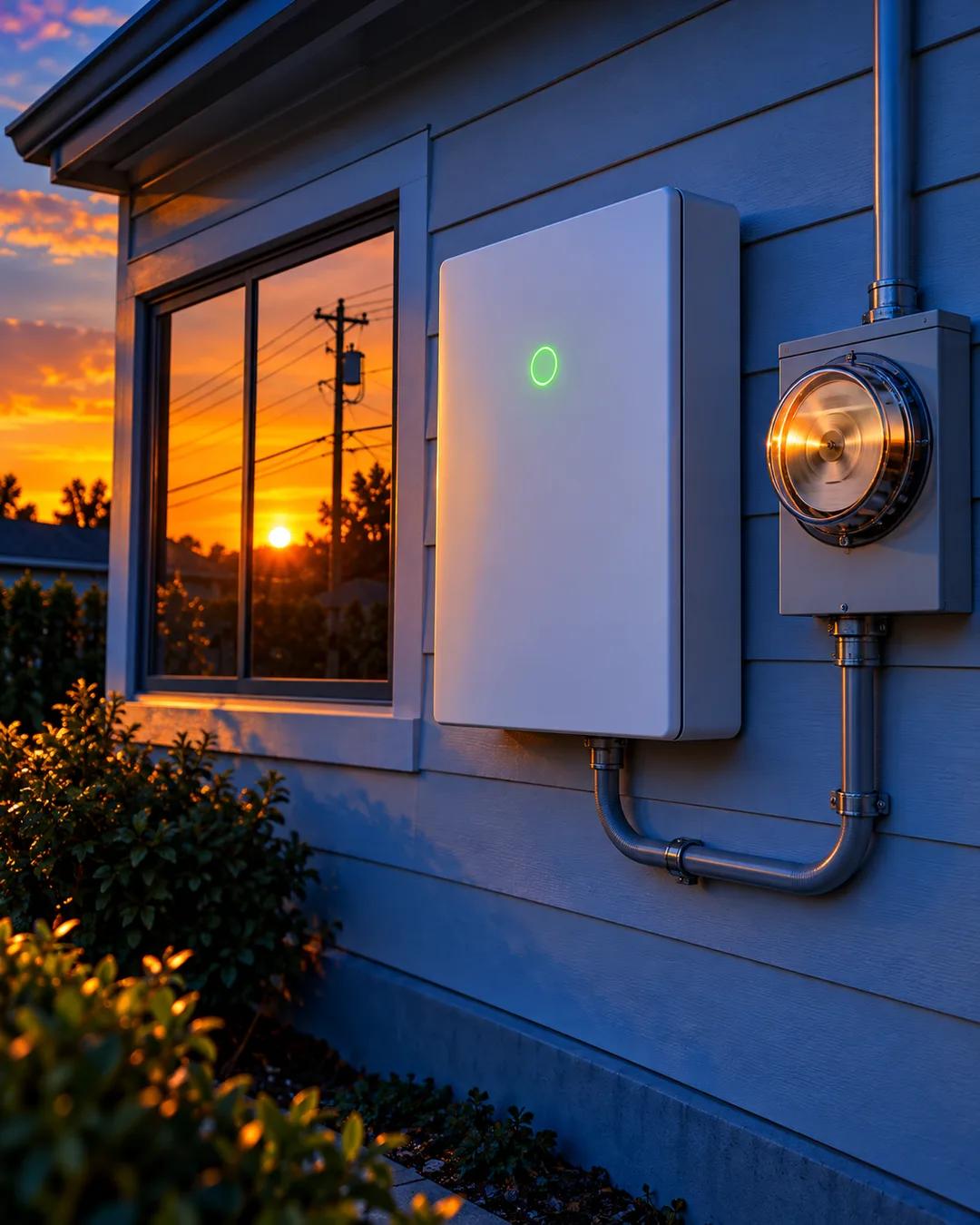
Hedge with a battery, not options
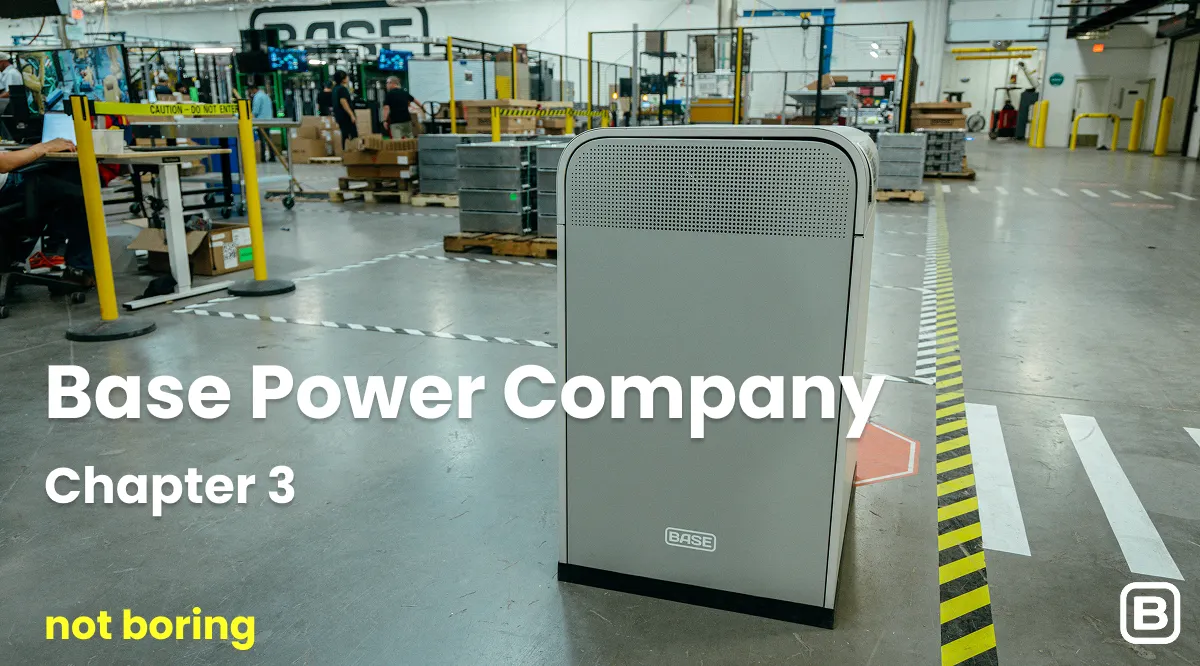
Hedging with hardware
Selling electricity in a deregulated market is low margin because it is competitive, and high risk because prices swing wildly. Most retailers hedge with financial instruments and pay a premium for them, which makes the margin thinner still. A battery is a technical hedge: it stores power while it is cheap and releases it when it is expensive, so the retailer doesn't need the options.
Long and short power
Across a fleet, the logic holds at the network level. With its batteries, Base is long power: when electricity is valuable, it has stored electricity to dispatch. A retailer is short power, because it has promised to serve customers and must buy the supply. Combining the two reduces risk and improves economics.
Base Energy
Base Energy, a below-market-rate plan for renters, apartments, and other Texans not ready for a battery, launched in April. Three months later it had more than 14,000 members, bringing Base's total membership above 30,000. A neighbor paying 10% less for the same electricity is a word-of-mouth engine on its own.
How do electricity retailers hedge price swings?
A retailer that sells power at a fixed rate but buys it at a wholesale price faces losses when wholesale prices jump. To protect itself, it buys forward contracts, futures, swaps, or options that lock in prices ahead of time. The protection costs a premium, which depends on how volatile prices are expected to be. During Winter Storm Uri in February 2021, wholesale prices in Texas sat at the then-cap of $9,000 per megawatt-hour for days, and several retailers went bankrupt.
Why do electricity prices swing more than other goods?
Electricity is hard to store at large scale, so supply must match demand every second. When demand surges or a plant trips offline, there is no stockpile to draw on, and the price jumps to whatever it takes to bring on supply. Most other goods can sit in a warehouse and smooth out shocks. The US grid holds its frequency at 60 hertz, and operators keep it there by balancing supply against demand moment by moment.
Why does a battery work as a price hedge?
A retailer's exposure comes from having to buy power at the moment its customers use it, whatever the price. A battery charged at low prices can supply power when prices spike, cutting the amount the retailer buys at the peak. That is called a natural hedge, because the asset offsets the risk without a separate financial contract. Airlines use similar logic when they hedge jet fuel, and Southwest Airlines became well known for fuel hedging in the 2000s.
More from Packy McCormick