Korva is a scroll of the internet’s best ideas.
Her executioner held only a wig

The two blows
It happened at Fotheringay Castle on 8 February 1587. The executioner, a man known as Bull, needed two blows. The first stroke of the axe crashed onto the back of Mary's head, and she cried out for Jesus to receive her soul. The second struck her neck, but it was still not clean, and Bull had to use the blade like a cleaver to hack and saw the head free.
The wig
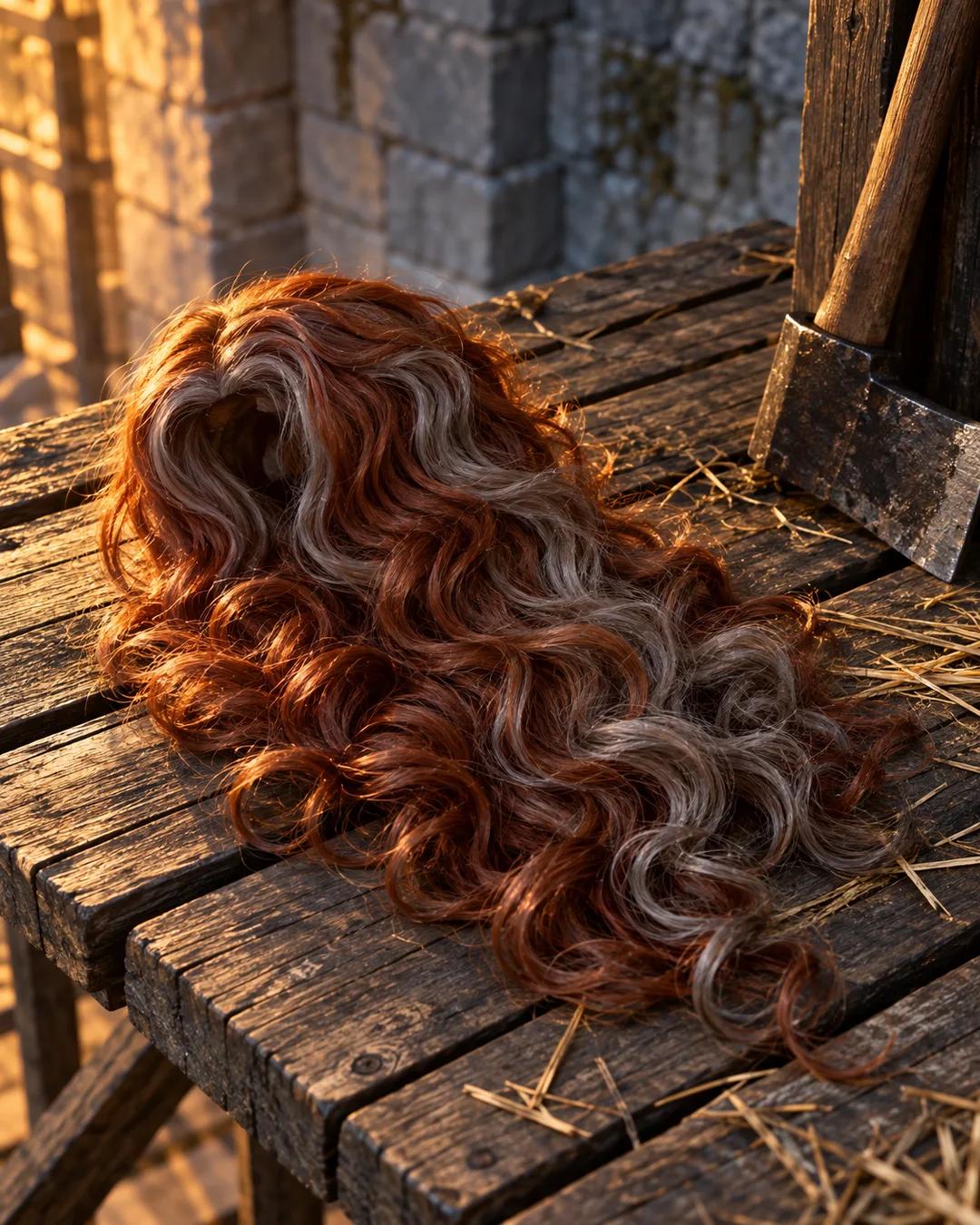
Custom obliged him to hold the head up before the crowd and proclaim the death of a traitor. He lifted it and found himself holding hair. Mary's real head, shrunken, withered, and grey, had rolled to the edge of the scaffold, and it took the spectators a few seconds to work out that she had been wearing a wig.
The hidden dog
Her sobbing ladies were led away to their quarters, and the executioners bent beside her body to undress it. Hidden in her skirts the whole time was her favourite dog, a Skye terrier. Once discovered, it lay amid the gore and howled.
Why did axe beheadings so often go wrong?
An axe beheading depended on one clean stroke across the narrow joint of the neck. The condemned knelt or lay with the head on a low block, and a small movement or a nervous swing was enough to spoil the aim. Swordsmen were considered more skilled, and Anne Boleyn was executed in 1536 by a swordsman brought over from Calais.
Why were wigs so common among Tudor women?
Wigs and false hairpieces let noblewomen cover thinning or greying hair and follow the fashionable styles of the court. They were made from human hair, silk, or other fibres and dressed with pins and ribbons. Elizabeth I herself wore auburn wigs in her later years.
Why did executioners show the severed head?
Holding the head up proved to the watching crowd that the sentence had been carried out and the condemned was dead. For treason the display also served as a public warning. Heads of executed traitors in London were often set on spikes above London Bridge.
More from The Rest Is History