Korva is a scroll of the internet’s best ideas.
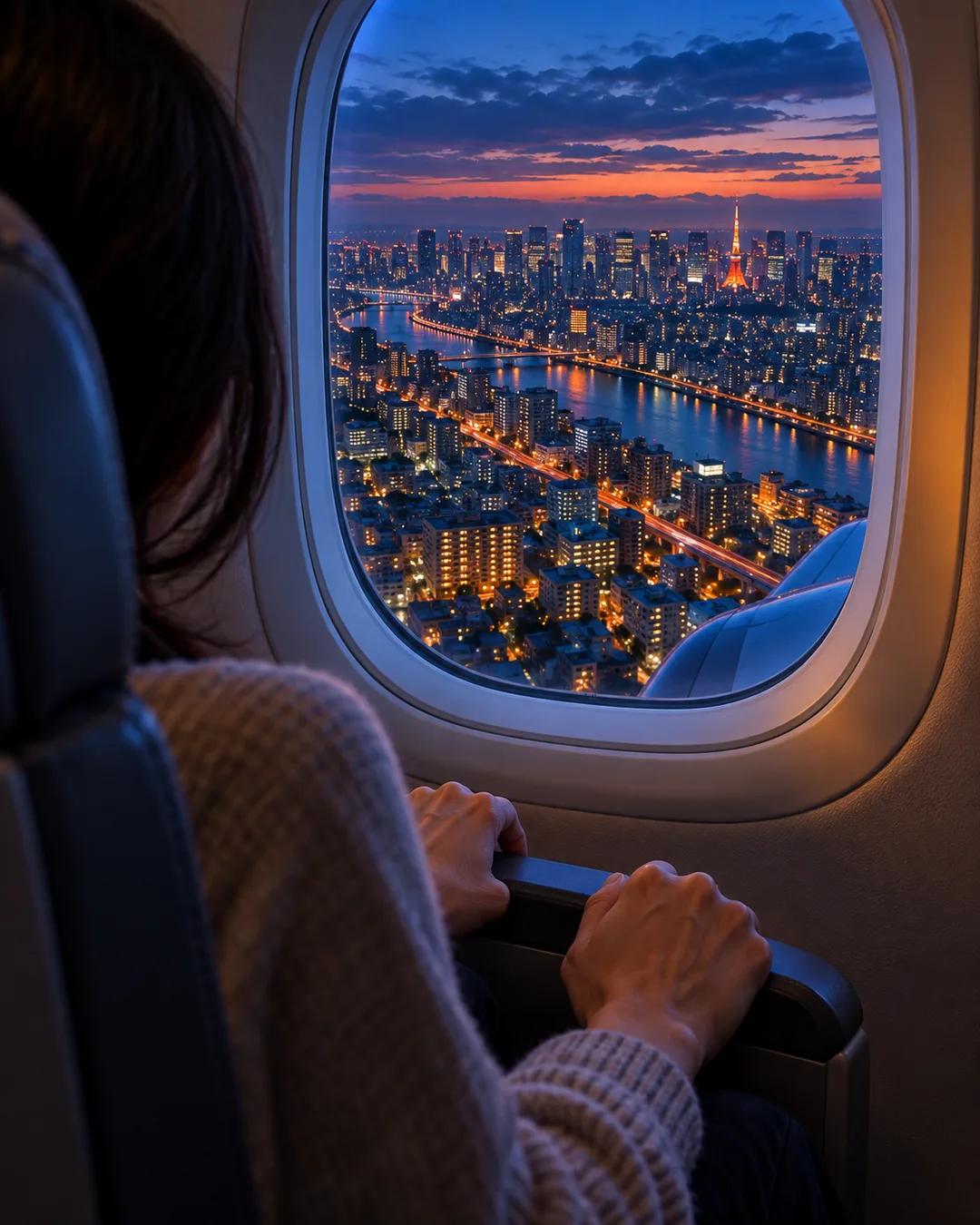
Her shoulders seize landing in Tokyo

Rules at home
She is a successful editor at Condé Nast Japan, and what tightens her up is the thought that she's back where she has to follow the rules. Japan runs on codes of behavior that nobody enforces, from keeping your voice down on a train to going quiet in a crowded elevator.
Freedom abroad
Plenty of Japanese people find America fantastic for that reason. Many love American movies, TV, and pop music, and get excited when they have a chance to go to LA, Seattle, New York, or Boston. The attraction is partly that the places are different and partly that they're free: nobody expects a Japanese visitor in Midtown to behave like a Japanese person, and all of it is lifted off of you.
In a New York cafe, someone who asks you to be quiet can be told to get lost, and that's fine. In Tokyo you can't.
Why does Japan rely on unwritten rules?
Anthropologist Edward T. Hall described Japan as a high-context culture, where much of the meaning in an exchange sits in the situation, not in the words. In everyday Japanese, the phrase kuuki wo yomu, to read the air, describes the skill of sensing what a room expects. People who fail at it are sometimes labeled KY, short for kuuki yomenai, meaning unable to read the air. The slang label became a Japanese buzzword around 2007.
How do countries differ in rule tightness?
In a 2011 study in Science, psychologist Michele Gelfand and colleagues surveyed people in 33 nations about how strictly social norms are enforced. Japan fell on the tighter side of the scale, and the United States on the looser side. The researchers linked tighter norms to histories of threat such as population density, scarce resources, and disease. Pakistan, Malaysia, and India scored among the tightest, while Ukraine, Estonia, and Hungary scored among the loosest.
More from Search Engine