Korva is a scroll of the internet’s best ideas.
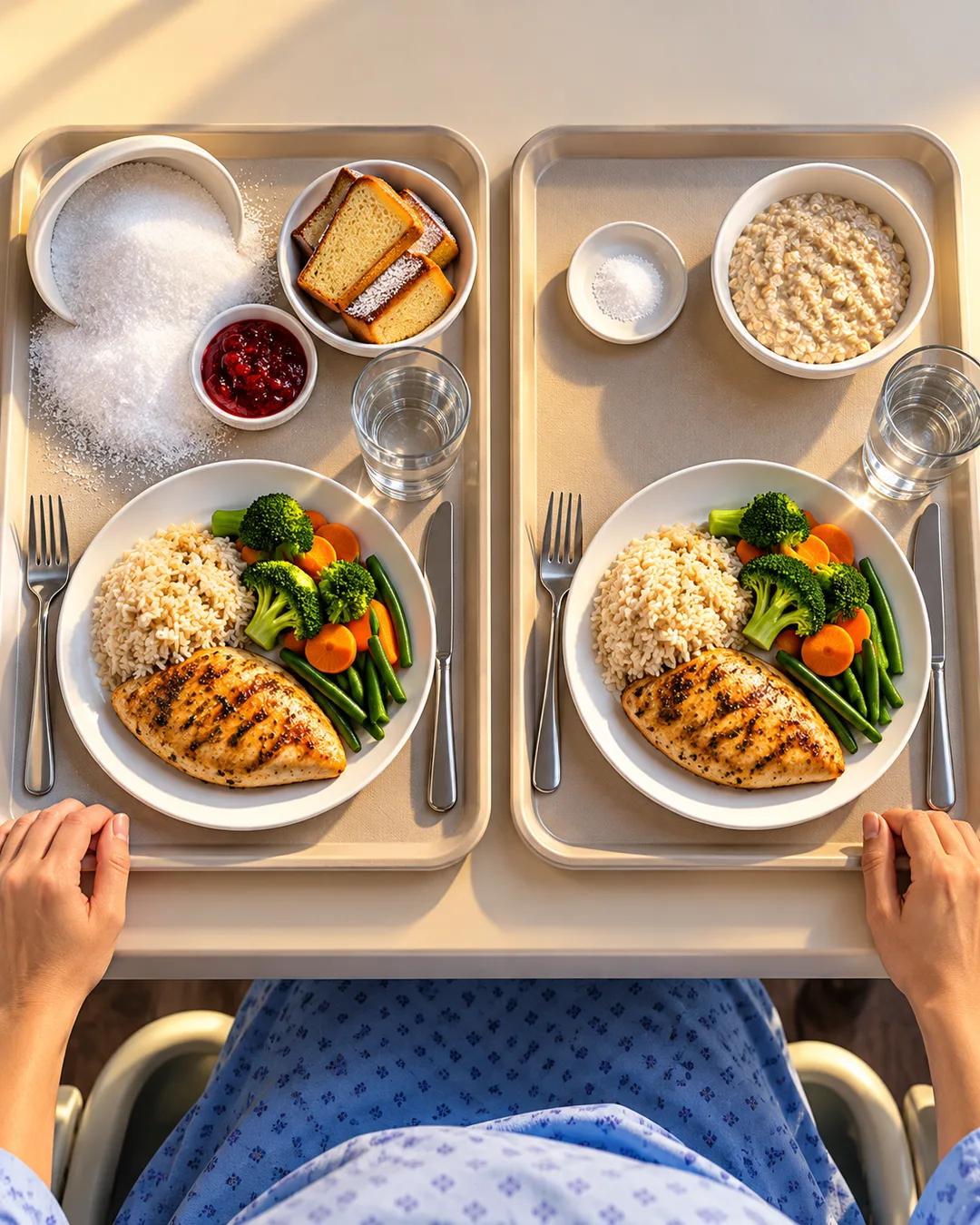
High-sugar dieters lost equal fat
The Surwit study
The 1997 study by Surwit, which remains one of the best on the question, put everyone on an 1,100-calorie diet, with calories, protein, carbs, and fats matched between groups. The sugar in the high group was sucrose. Body fat loss was identical.
The LDL difference
Blood lipids, blood sugar, and other health markers improved in both groups too. The only real difference was a slightly better improvement in LDL for the low-sugar group, which probably reflects its higher fiber intake, since fiber can bind cholesterol and lower LDL.
Sugar in epidemiology
In epidemiology, people who eat more sugar tend to be heavier and have worse biomarkers, while people who eat a lot of fruit sugar don't, because fruit comes with fiber. High-sugar foods tend to be low in fiber. Meta-analyses that swap sucrose, glucose, or fructose for other carbohydrates at equal calories, and track HbA1c, fasting blood glucose, and blood lipids, find with rare exceptions no meaningful difference.
What happens to sucrose in the gut?
Table sugar is a double sugar made of one glucose and one fructose linked together. The enzyme sucrase in the lining of the small intestine splits the link. The two sugars are then absorbed through different transporters, with glucose using SGLT1 and fructose using GLUT5. Glucose and fructose reach the liver together.
Why doesn't fruit sugar behave like soda sugar?
In whole fruit, sugar sits inside cell walls that must be broken down, which slows digestion. Fruit also brings water and fiber, which add volume and fullness for the calories. Juice and soda remove that structure. Studies of liquid versus solid calories, such as one by Mattes and DiMeglio in 2000, find people compensate poorly for calories in drinks.
How does fiber lower LDL?
Soluble fiber such as beta-glucan in oats forms a gel in the small intestine and binds bile acids. The bile acids leave in stool instead of being reabsorbed. To replace them, the liver pulls cholesterol from the blood to make new bile acids, lowering LDL. The US Food and Drug Administration has authorized a health claim linking oat beta-glucan to lower cholesterol.
More from Andrew Huberman