Korva is a scroll of the internet’s best ideas.
Hori stopped trusting his eyes

Signals from the cab
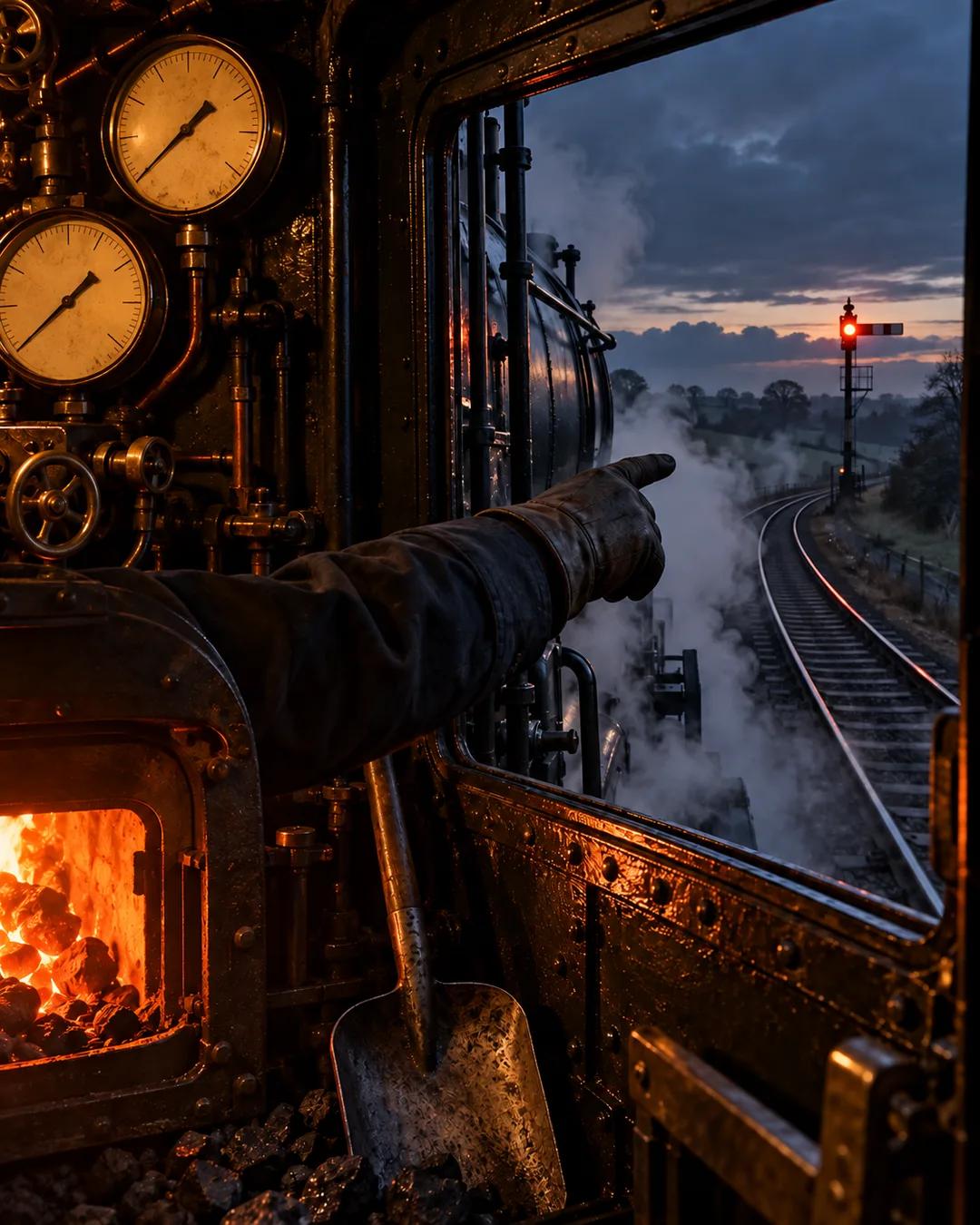
Yasuoichi Hori drove steam trains in Japan in the early 1900s, and the job depended on reading small track signals from a distance at high speed. The cab sat at the back of the locomotive, behind the big boiler, so he often had to lean out the side window to catch the signals ahead. The cramped space held only Hori and his fireman, who shoveled coal into the firebox while also keeping an eye out for signals.
A fear and a ritual
Hori's worst fear was missing or misreading a signal, an error that could end in a catastrophic crash. Unable to trust his eyes, he began calling out the status of each signal as the train passed it. The fireman, who had no idea why, called back a confirmation. The two had a simple safety ritual.
From habit to rule
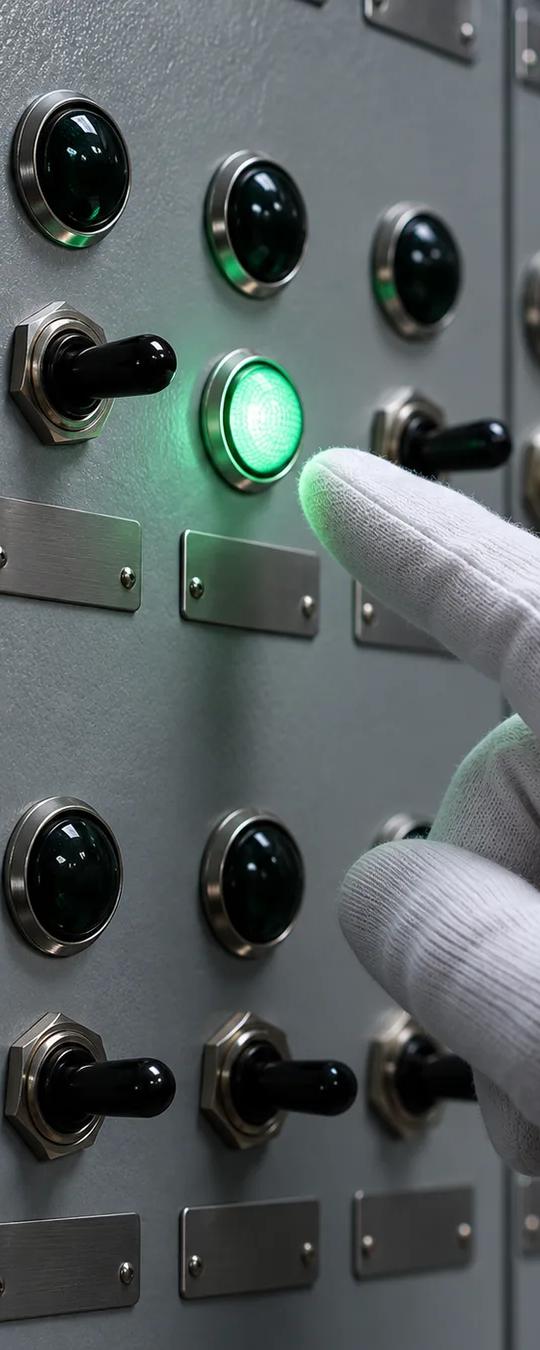
As the story goes, the practice was written into the Japanese railway manuals in 1913 as call and response. In the late 1920s a finger point was layered in: the engineer physically pointed at the signal and called out its status, and the cabmate did the same in return. It became known as shisa kanko, pointing and calling.
The practice is still in effect a century later. Train conductors in Japan routinely point at signals and shout their status into the air, which turns reading a signal from an automatic action into a deliberate one and sharply cuts the risk of error.
Why did drivers lean out to see signals?
On a steam locomotive, the boiler is a huge cylinder that runs ahead of the cab, and it can block much of the straight-ahead view. Smoke and steam drifting back from the stack made the view worse. Leaning out the side window gave the crew a clear line to the track and the signals beside it. Many locomotives had a small side window or opening for exactly this purpose.
How does call and response catch mistakes?
A call and response puts two people in the loop instead of one. If the driver misreads a signal and says so aloud, the second crew member hears a status that does not match what they see. Safety researchers call this kind of check a cross-check, and it is a standard feature of aviation and rail procedures. The error has to slip past two sets of eyes and two voices at once.
Where else is pointing and calling used?
Shisa kanko is used well beyond train cabs in Japan. Railway staff use it on platforms and in control rooms, and it has spread to factories, construction sites, and other workplaces where a single slip could injure someone. Japanese rail operators have long treated it as part of standard operating procedure. Its name translates directly as pointing and calling.
More from Curiosity Chronicle