Korva is a scroll of the internet’s best ideas.
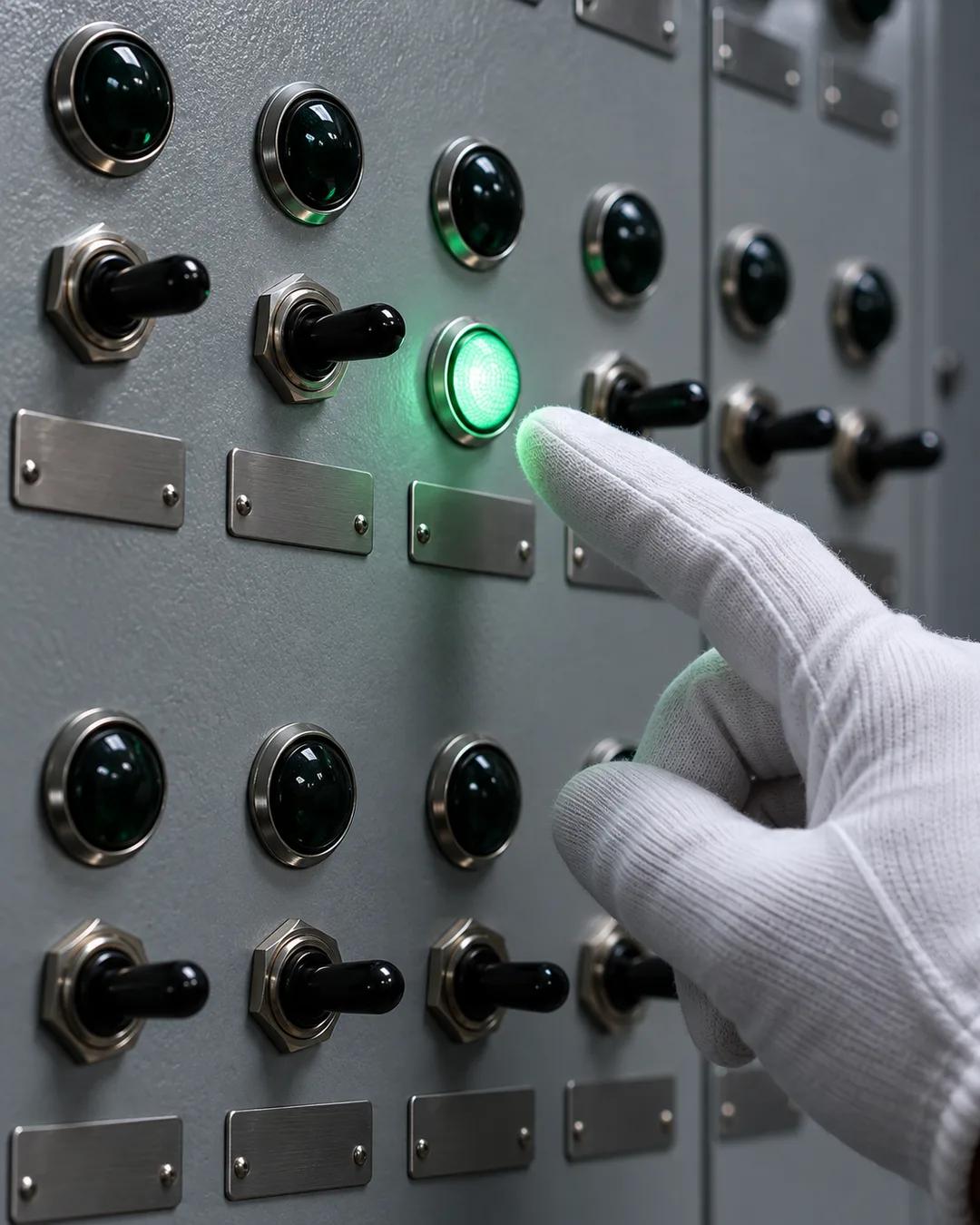
Pointing and calling cut errors 84%

The 1994 test
That pairing is shisa kanko, the pointing and calling used on Japanese railways. In 1994, the Japan Railway Technical Research Institute tested it by having workers complete a simple task. With no extra steps to prevent mistakes, the workers made 2.38 errors per 100 actions. Adding a step to either point at the task or call it out brought the rate down modestly.
The 84% drop
Doing both together produced the striking drop: just 0.38 mistakes per 100 actions, an 84% reduction from the baseline.
What explains it
A 2013 peer-reviewed study traced the effect to the supervisory attentional system, a deliberate control system in the mind. Pointing orients visual attention to the exact target, and calling drives selective retrieval of the right rule or information from working memory. Together they force that deliberate system to turn on and engage, which matters most where an automatic action could be dangerous.
Why do automatic actions cause errors?
Routine actions run on stored habits that need very little attention, which is why a familiar task can be done while thinking about something else. Psychologists Donald Norman and Tim Shallice proposed in the 1980s that a separate supervisory attentional system steps in for new or risky situations. Slips of action tend to happen when a habit fires on its own and that supervisor is not engaged. Most everyday errors, such as driving to the wrong place on a usual route, fit this pattern.
How does pointing sharpen attention?
Pointing sends the eyes and the hand to the same spot. Research on eye and hand coordination has long shown that people look at a target before they reach for it, so a pointing gesture ties gaze to one specific item. That narrows attention from a general scan to a single object. The gesture also takes a moment, which adds a pause before the next action.
Why does speaking aloud help memory?
Experiments on what psychologists call the production effect found that words read aloud are remembered better than words read silently. Colin MacLeod and colleagues described the effect in a 2010 paper. Saying something aloud adds a motor and auditory trace to the memory, which makes the item more distinctive. The effect shows up with lists of words, and it has been replicated many times.
More from Curiosity Chronicle