Korva is a scroll of the internet’s best ideas.

Horror is an off-ramp for anxiety
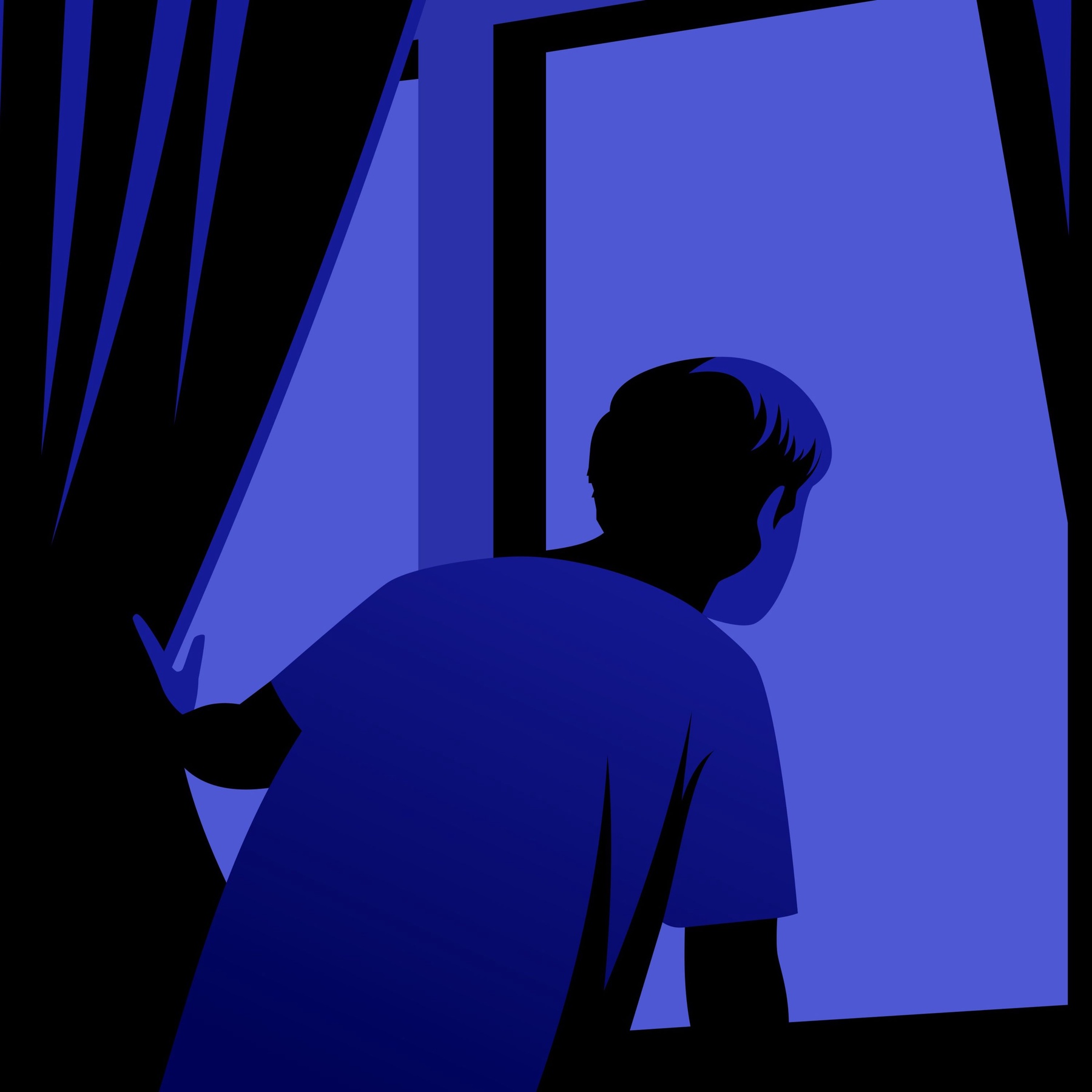
The anxiety loop
Anxiety with no clear source runs in a cycle. The palms sweat, the heart races, and vigilance climbs. The mind looks for a threat, fails to find one, and turns the vigilance up even higher, which is the rumination familiar to people with anxiety.
Threats overpower almost everything else in the mind's field of view, which makes sense when something dangerous is nearby. For humans, the threats that grab attention are usually in their heads. A horror story puts one on the screen instead: a killer, a monster, or a serial killer in a true crime story.
The off-ramp effect
Picture a highway off-ramp for the mind. The viewer is sucked into the story and is still anxious, but now the anxiety has a known source under their control. The book can be put down, the movie paused, a friend invited to watch along.
Then the story ends and the threat goes away. That signals the parasympathetic nervous system, the rest-and-digest side of the body, to kick in and physiologically calm things down.
How does the rest-and-digest system calm the body?
The parasympathetic nervous system acts largely through the vagus nerve, which runs from the brainstem to the heart, lungs, and gut. At the heart, the nerve releases acetylcholine, which slows the heartbeat. It works as a counterweight to the sympathetic system, which drives fight-or-flight responses such as a racing pulse. Heart rate variability, the small beat-to-beat change in timing, reflects the balance between the two.
Why do threats beat everything else for attention?
In 2001, Arne Öhman and colleagues at the Karolinska Institute asked people to find a target picture in a grid of images. People found snakes and spiders among flowers and mushrooms faster than they found flowers and mushrooms among snakes and spiders. The advantage held even when the grid grew larger. The researchers took this as evidence of an attention system tuned to threats.
Why does relief after a scare feel good?
Communication researcher Dolf Zillmann proposed excitation transfer theory in the 1970s and 1980s. It holds that arousal from one event lingers in the body and intensifies the emotion that follows. When a threat resolves, the leftover arousal turns into a stronger feeling of relief. Zillmann applied the idea to suspense in drama, where the payoff is bigger the more tension came before it.
More from Hidden Brain