Korva is a scroll of the internet’s best ideas.

Horses taught her to stay calm
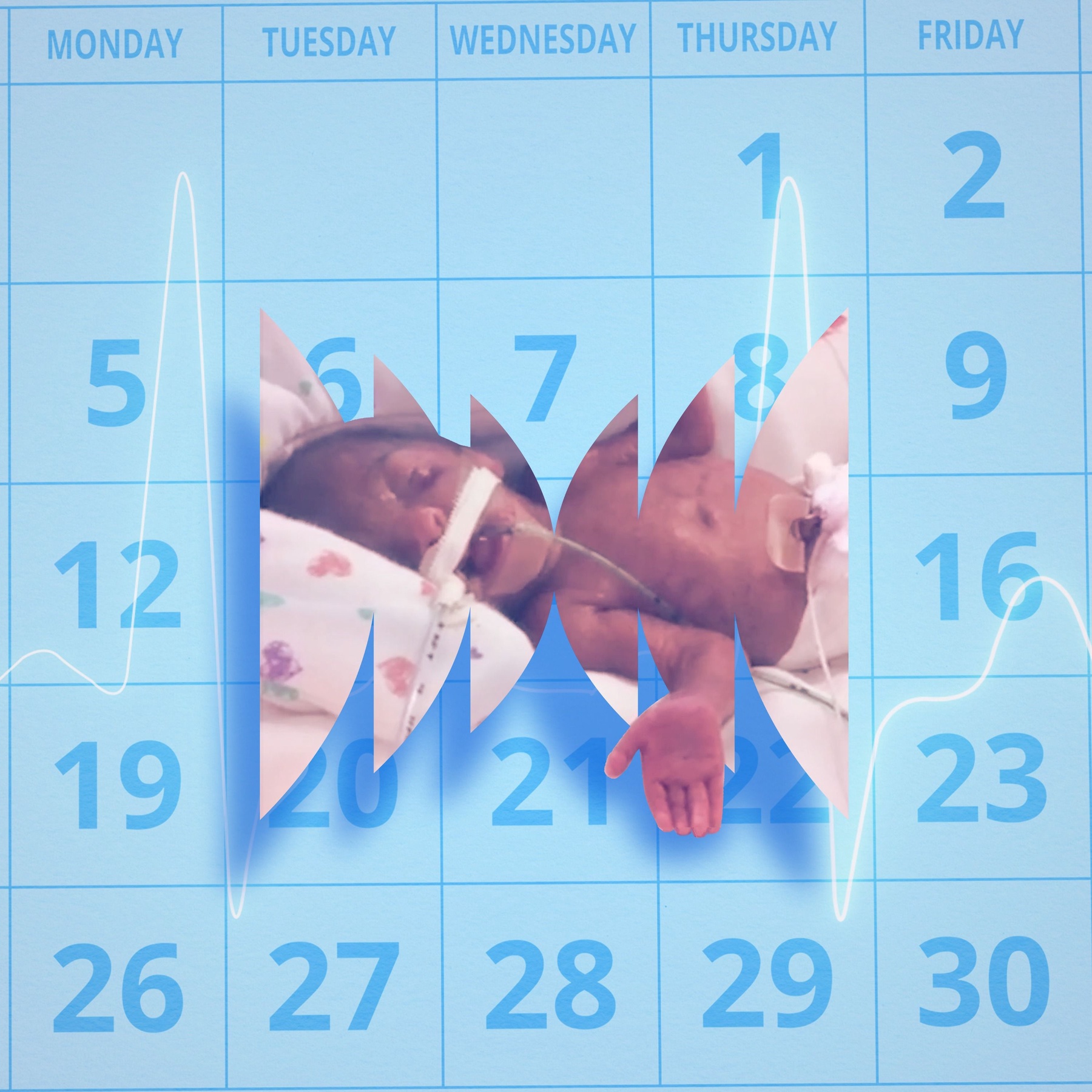
Growing up small
School has not been easy for Juniper. She was lonely and found it hard to make friends. She is super small, and some kids tease her about it, but she points to Simone Biles: super tiny, and look at what she can do. Her one other physical issue is a kidney condition. She loves salt and can't eat much of it. The harder part is emotional: she deals with PTSD and has struggled with anxiety and controlling her emotions, even though she was too small to remember her time in the hospital.
What horses teach
A few years ago her mom took her to Stone Creek Ranch, a half hour from home, and she fell in love. Horses react to what you feel. When she is angry or frustrated, they act out and lash out, so she has to learn to be calm. Riding lets her let go of her anger and just be free.
A second family
The ranch gave her a second family: her instructor, Jen, and a woman she calls Auntie. At school she spends most of her time with her two best friends, Mina and Katie. She went from having no friends to having bunches.
Before Juniper was born, her mother pictured a feisty, mischievous daughter. Juniper is loud, rides horses, and sings at the top of her lungs, though she sounds terrible.
Why do horses react to human emotions?
Horses are prey animals that live in herds, and they stay alive by reading the body language and mood of those around them. A 2016 study by Amy Smith and colleagues at the University of Sussex, published in Biology Letters, showed horses photographs of angry and happy human faces. Horses shown angry faces had faster heart rates and looked at them more with the left eye, a pattern linked to processing negative stimuli.
Why is a tiny build good for gymnastics?
A shorter, compact body has a lower moment of inertia, which means it can spin faster for the same push. That is why elite gymnasts tend to be small, and why tucking tightens a flip. Simone Biles stands about 4 feet 8 inches tall.
Why do very premature babies have kidney trouble?
Nephrons, the filtering units of the kidney, form until about 34 to 36 weeks of pregnancy, and no new ones form after that. A baby born earlier starts life with fewer of them, so the kidneys work with less reserve. Research by Valerie Luyckx and Barry Brenner has linked a low number of nephrons to a higher risk of high blood pressure and kidney disease later in life.
More from Radiolab