Korva is a scroll of the internet’s best ideas.
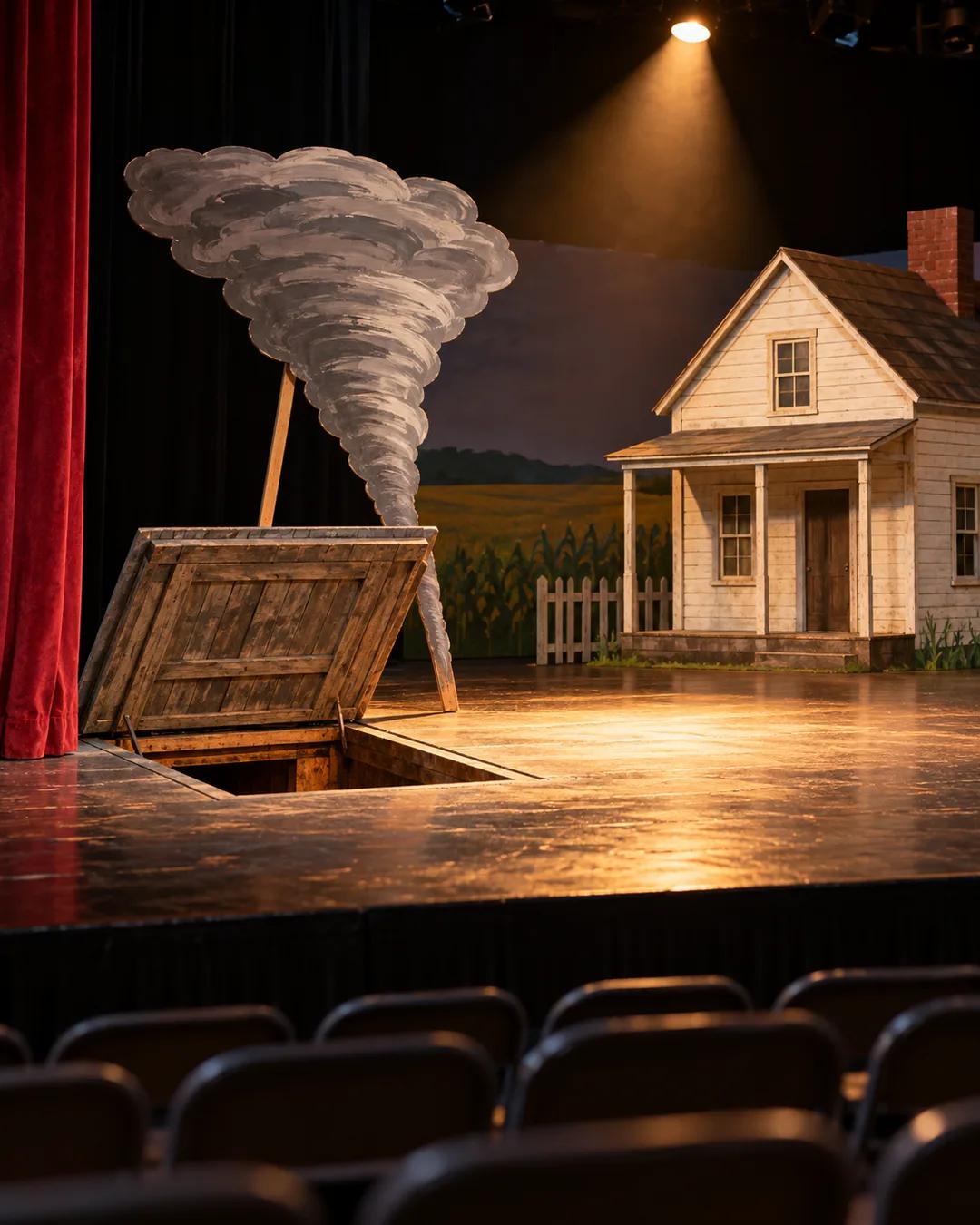
Hurry, get into the cyclone

Alan Castel, who now studies memory as a psychology professor at UCLA, was that kid. The line was supposed to be: Listen everyone, there's a cyclone on the way. Hurry and get into the cellar. He had practiced it again and again, and on opening night it came out reversed.
He couldn't work out how he had managed it after memorizing the line so carefully. Most of the audience probably didn't even notice. Looking back, he was probably distracted: after dress rehearsals without an audience, there were suddenly all these people watching, and he knew what he was supposed to say.
The slip was an early lesson that memory isn't simply a function of what you do with the information. It forced him to ask how memory really works, since he had thought he knew. Years later he thought of the play warmly when his daughter was in it.
Why do rehearsed lines come out scrambled?
Speech errors where words or sounds swap places are among the most common slips in everyday talking. Linguists who catalogued thousands of real slips of the tongue in the 1970s, including Merrill Garrett, found that the swapped pieces usually fill similar slots in the sentence. This suggests the brain plans a sentence's structure and its words separately, and the two can briefly mismatch. Pressure and distraction raise the odds of such mismatches.
How does an audience change performance?
In 1965, Robert Zajonc proposed that an audience boosts the performance of well-practiced tasks but hurts new or complex ones. His theory of social facilitation drew on earlier findings that even cockroaches ran faster to escape light when others watched. Being watched raises arousal, which strengthens the most dominant response. For a line that is not yet fully automatic, the dominant response can be wrong.
Why doesn't practice without an audience always carry over?
Memory depends on context. In 1975, Duncan Godden and Alan Baddeley had scuba divers learn word lists either on land or underwater. The divers remembered words better when tested in the same place where they learned them. Rehearsing in an empty room is a different context from performing in a full theater.
More from Andrew Huberman