Korva is a scroll of the internet’s best ideas.
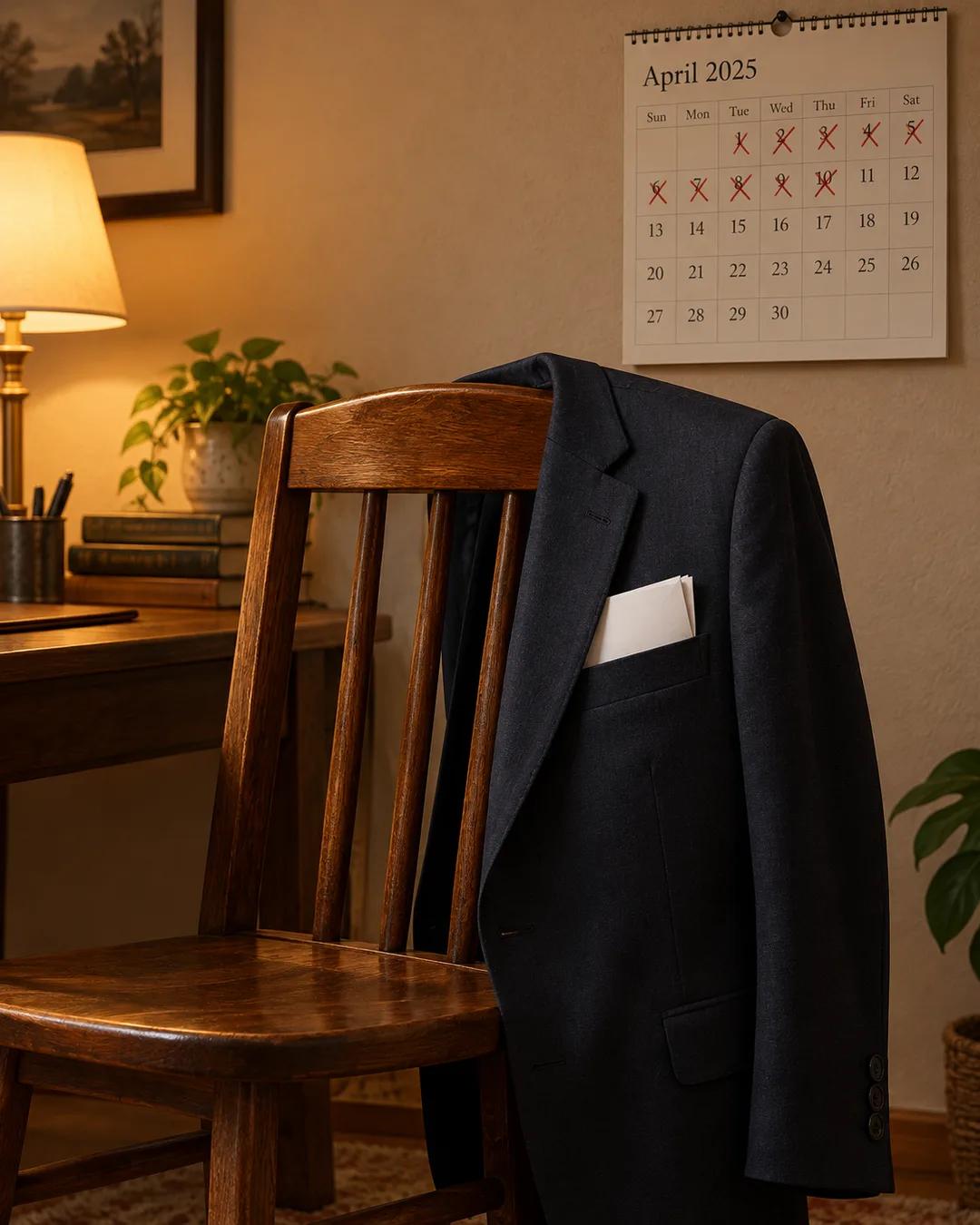
Ignore a bill for 10 days

Sign or veto
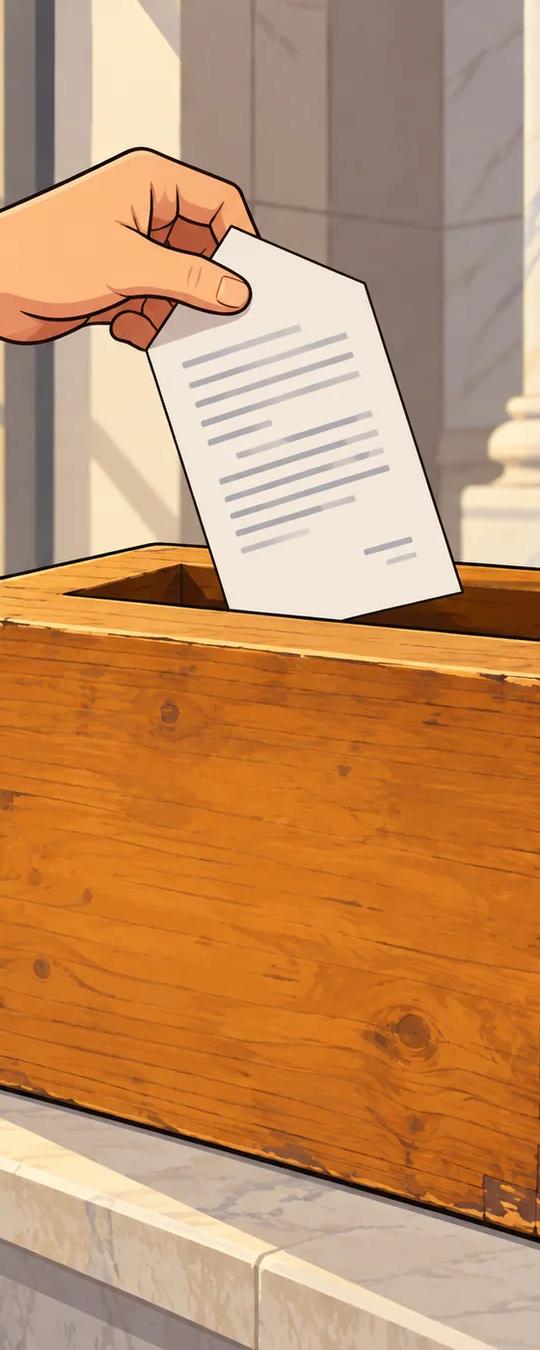
When a bill reaches the president's desk, the president can sign it, and it becomes a law. The president can also veto it, which means rejecting the bill, and it does not become a law.
Congress can override a veto with a two-thirds majority vote.
Doing nothing
The third option is to do nothing. A bill left on the desk for 10 days becomes a law even without the president's signature. If Congress adjourns before those 10 days are up, it does not become a law, and that is called a pocket veto.
Why does the pocket veto exist?
Article I of the Constitution gives the president 10 days, not counting Sundays, to act on a bill. If Congress adjourns and so prevents the bill's return, the bill dies without a chance at an override. Presidents and Congress have long disputed whether short breaks within a session count as an adjournment. Congress often holds brief pro forma sessions during recesses, which it treats as staying open to receive returned bills.
Why are veto overrides so rare?
An override takes two-thirds of each chamber, which is 290 of 435 House members and 67 of 100 senators if everyone votes. Few parties hold that many seats, and members of the president's own party rarely join. A veto threat often leads Congress to rewrite a bill before it ever reaches the desk. The first override in American history came in 1845, against President John Tyler.
Why did the framers give presidents a veto?
Alexander Hamilton argued in Federalist No. 73 that a veto protects the executive from being overpowered by the legislature. He also described it as a safeguard against hasty or poorly considered laws. At the Constitutional Convention, delegates rejected a plan from James Madison and James Wilson to pair the president with federal judges in a council to review bills. They kept the veto in the president's hands alone, with a two-thirds override.
More from Civics 101