Korva is a scroll of the internet’s best ideas.

Other retailers sell furniture, but nobody else is organized around that job, so IKEA has no real competitors. It is wildly profitable, and its owner is the third richest person in the world. The furniture is of marginal quality and is sold to the low end of the market, such as college graduates, who are delighted to pay a premium for it.
A product that fails at its job is costly to deal with. The buyer has to take it back, throw it away, or repair it, then go out and find something else, test it, and talk to friends. Finding a replacement that does the job well is expensive, which is why a company organized around the job can charge a premium.
How do flat packs keep IKEA prices down?
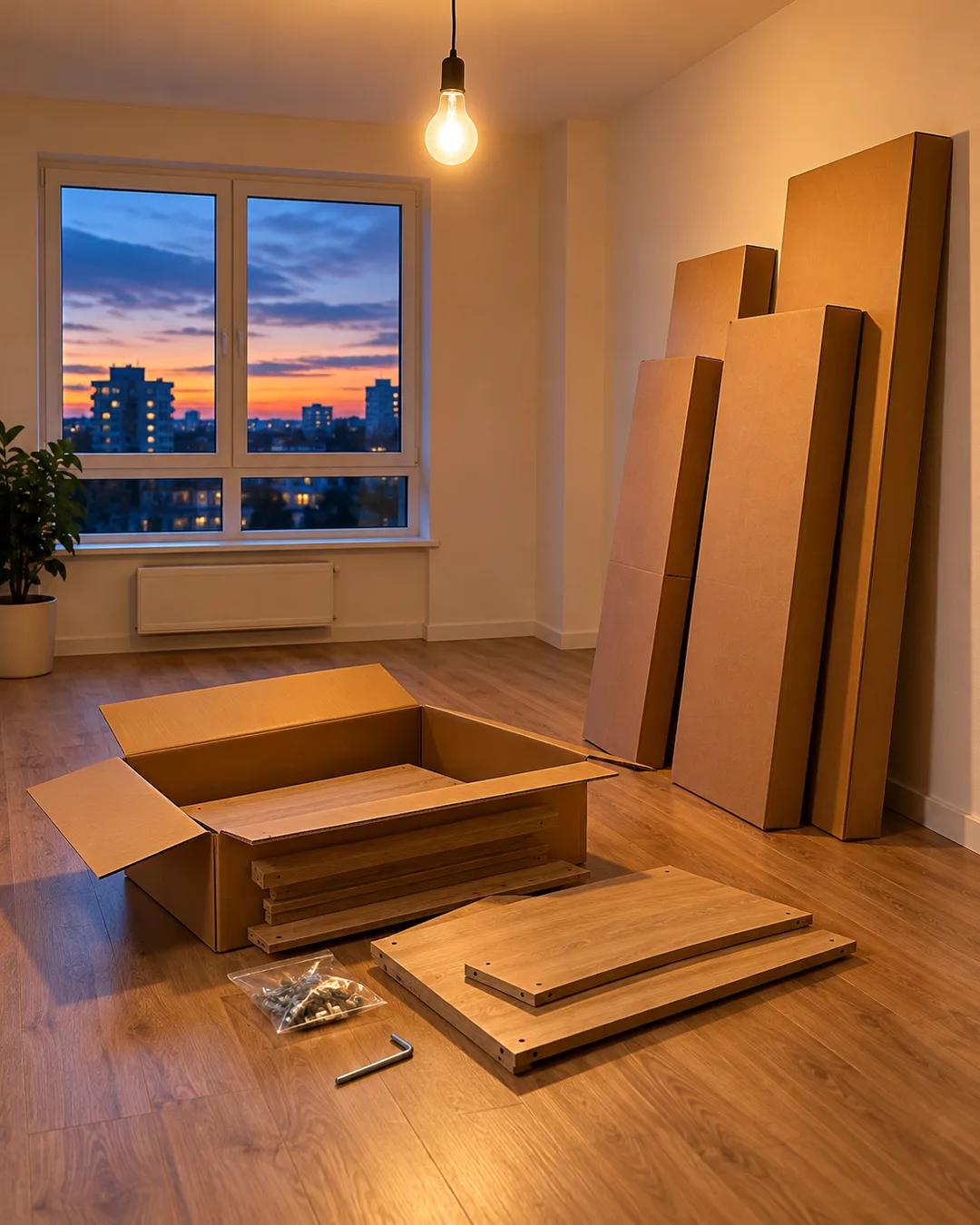
Furniture shipped assembled mostly carries air, while a disassembled piece stacks tightly in a box. That means more units fit in each truck and shipping container, which cuts freight cost per piece. Customers also carry the boxes home and do the assembly themselves, so IKEA avoids delivery and labor costs. IKEA's flat-pack approach dates to the 1950s.
Why do people value furniture they build themselves?
Researchers Michael Norton, Daniel Mochon, and Dan Ariely studied this and named it the IKEA effect. In their experiments, people who assembled an item themselves valued it more than people who were handed an identical finished one. The effort of building appears to raise attachment to the result. The effect held across tasks that included assembling furniture and folding origami.
What made IKEA's founding model different?
Ingvar Kamprad founded IKEA in Sweden in 1943 at the age of 17, initially selling small items by mail order. Furniture came later, and the company then added showrooms so customers could see and touch pieces before buying. Its catalog and warehouse-style stores are built around the same single purpose of furnishing a home quickly and cheaply. Kamprad's name and the name of his family farm, Elmtaryd, and village, Agunnaryd, form the company's name.
More from Talks at Google