Korva is a scroll of the internet’s best ideas.
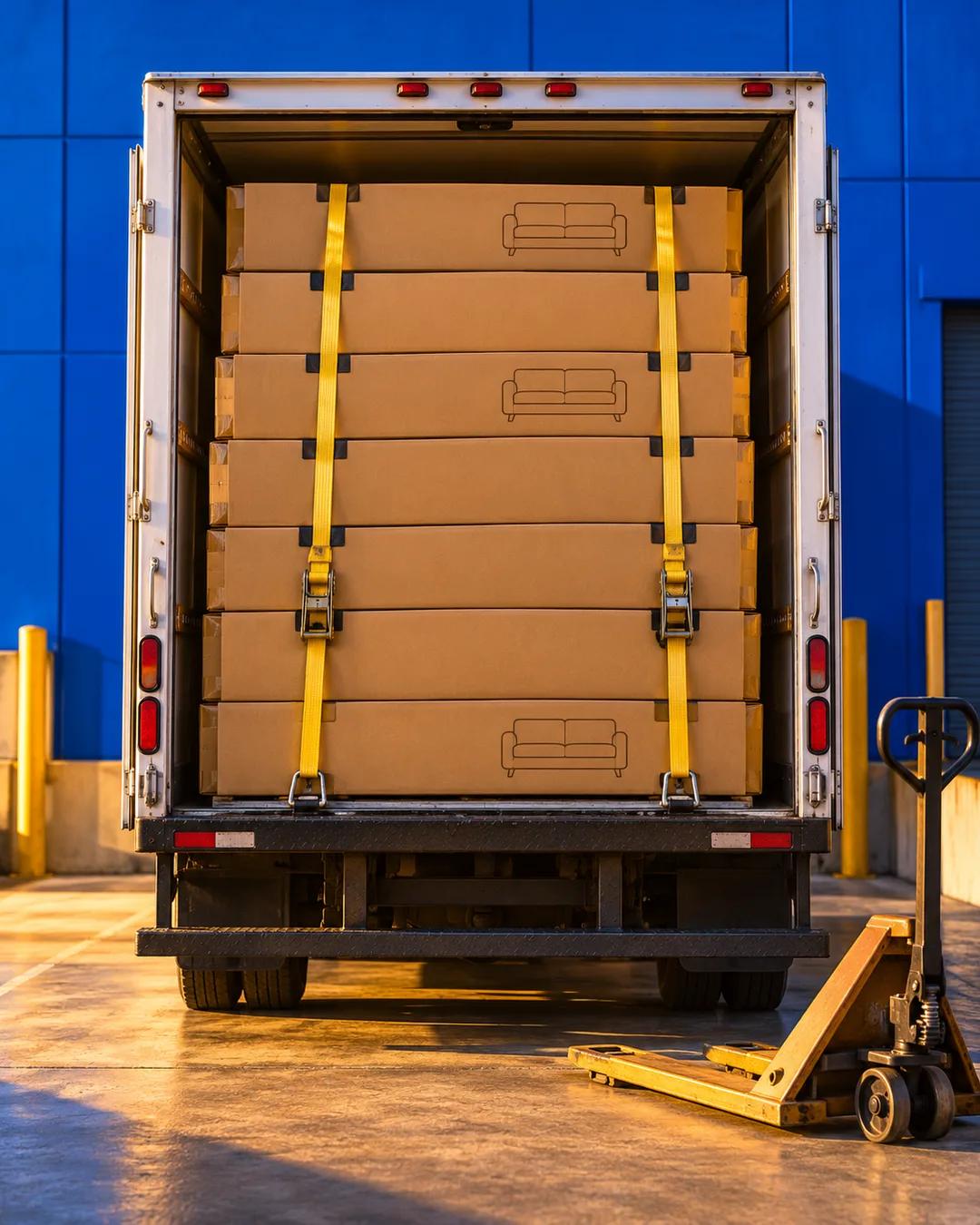
IKEA ships furniture in stackable boxes

How assembled furniture ships
A traditional furniture company manufactures the furniture, ships it to the retailer, stores it in a warehouse, and ships it from there to the buyer's house, assembled at every stage. Assembled furniture travels in a large truck.
Why boxes cost less
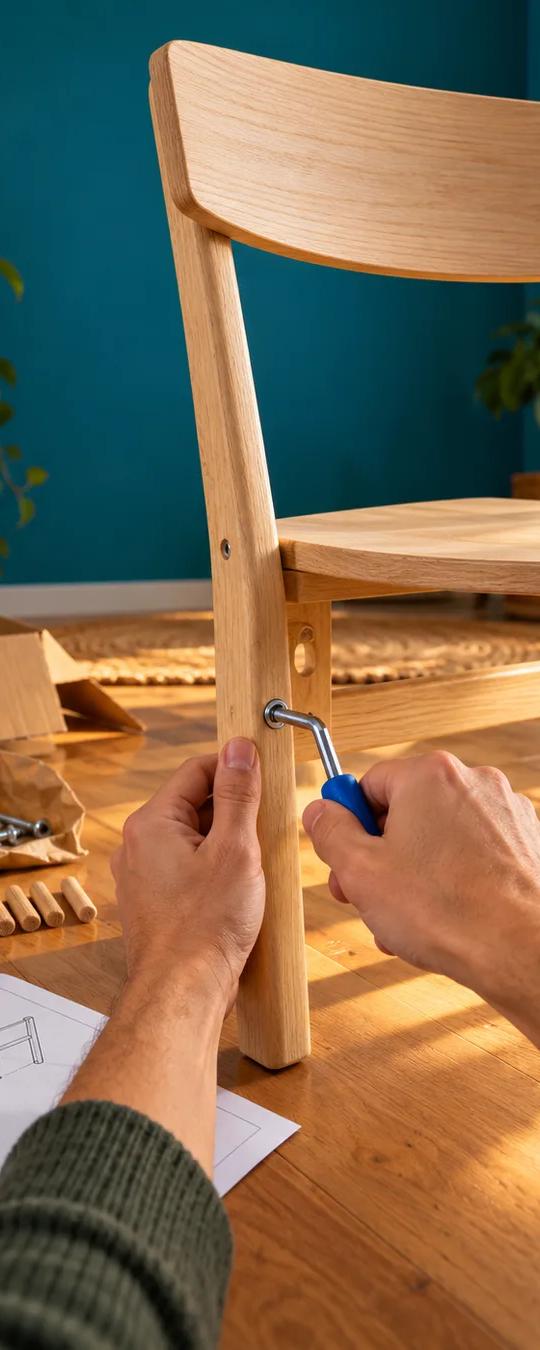
IKEA furniture arrives in pieces, and the buyer assembles it at home. One of the biggest factors in cutting logistics costs is volume occupancy, meaning how much of a truck's space is actually filled. A mini truck holds practically one assembled sofa, because stacking sofas would crush the one at the bottom. An IKEA sofa comes in a box, boxes stack, and the same mini truck can carry more than three or four sofas.
The same holds in retailers' warehouses. Assembled sofas can't be stacked, while IKEA's boxes go up in multiple storeys of storage. The boxes also fit in a car, so customers can take their furniture home themselves.
With the supply chain that efficient, costs dropped far enough for IKEA to offer premium furniture at a very low price.
Who first thought of flat-packing furniture?
According to IKEA's own history, the designer Gillis Lundgren took the legs off a table in the 1950s so it would fit into a car. The company then began designing furniture to ship in pieces, and damage in transit fell because flat parts are harder to break than assembled frames. IKEA's history names the Lövet table as its first flat-pack product.
Why is truck space the limit for furniture?
Freight such as furniture is bulky and light for its size, so a truck runs out of room long before it reaches its weight limit. Logistics people call this cubing out. Parcel and air carriers reflect the same logic in dimensional weight pricing, which charges by the greater of a package's actual weight or a weight calculated from its volume.
How else does IKEA keep prices low?
IKEA designers are known for starting from a target price and working backward to the design. Many products are made from simple, standardized parts such as particleboard panels and cut-to-size dowels, so the same components can serve many models. Suppliers receive large, long-running orders, which lets them invest in equipment that makes each unit cheaper. IKEA describes this approach as democratic design, with low price as one of its five stated elements.
More from Think School