Korva is a scroll of the internet’s best ideas.
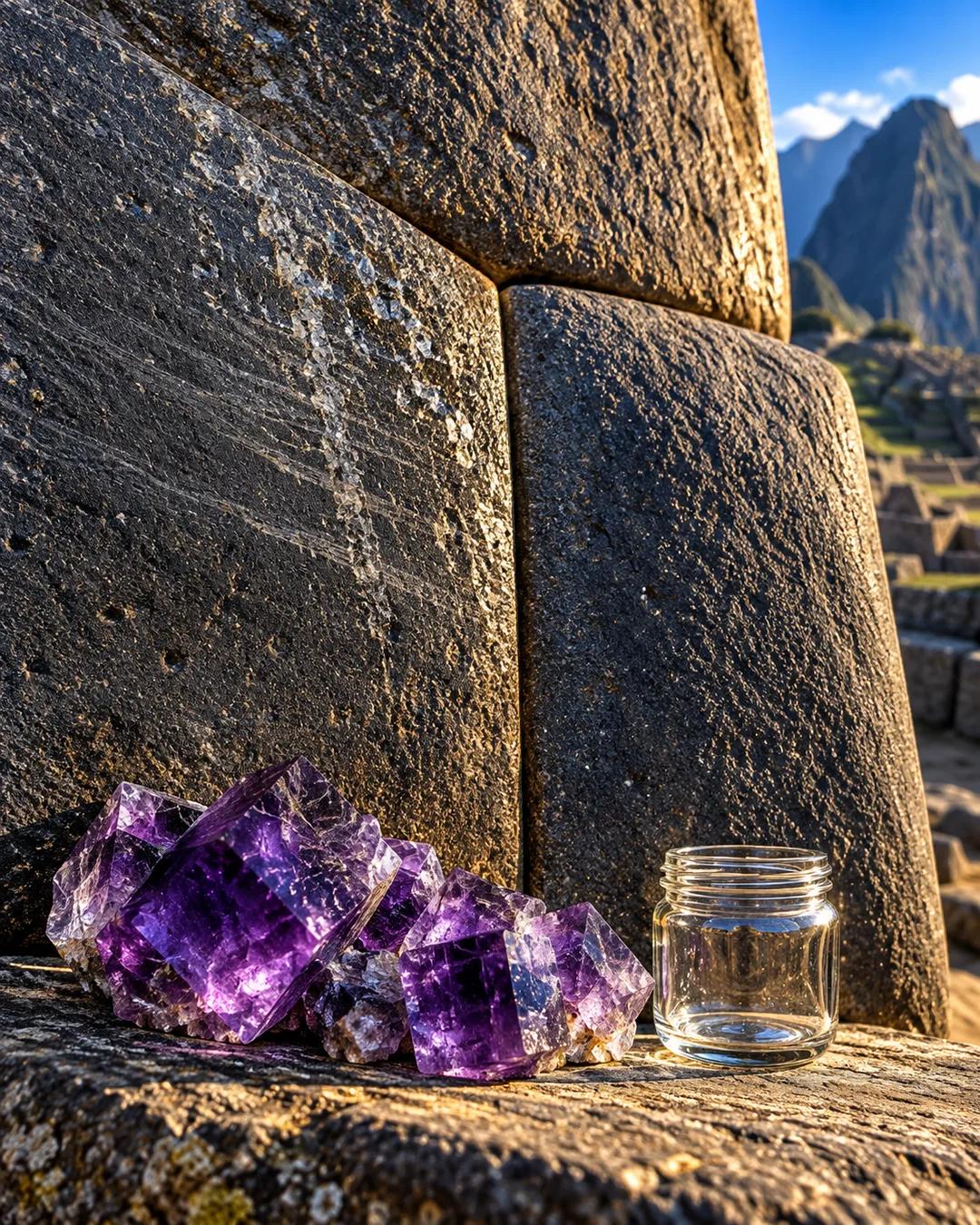
Inca walls may be acid-fused

The acid recipe
Gold and silver mining in the Andes throws off hydrochloric acid as a byproduct, and the mountains hold plenty of fluorite, which the Inca made into jewelry. Combine the two and you get hydrofluoric acid, the acid that burns through rock and ceramic but not plastic. No natural acid alone would melt andesite, but layers of just enough of this acid between stones could.
Evidence in Cusco
Cusco has stones that appear to support it: wipe marks where someone seems to have dragged a rag across granite, crystals that cross the seam between two stones, and a rock with a muddy footprint pressed into the one below, as if the lower stone was soft when the upper one came down.
Old accounts
A Spanish chronicle describes a mining site where an Inca man refused to drink from a strange jar and it spilled, and the granite beneath it turned soft and muddy. Other stories from the conquistadors describe people around Lake Titicaca who could soften stone and shape it into statues. Requests to take wall samples for neutron activation testing, to look for traces of acid, have been turned down.
Why does hydrofluoric acid dissolve stone?
Hydrofluoric acid attacks silicates, the compounds that make up most rock and glass. It reacts with silicon to form a gas, silicon tetrafluoride, and other fluoride compounds. That reaction is why the acid is used to etch glass. Plastics such as polyethylene resist it, so laboratories store it in plastic bottles.
How do archaeologists explain Inca walls?
The usual explanation is hammering and patient fitting. Masons pounded stones with harder hammerstones and tested each block against its neighbors. Unfinished blocks and tool-marked quarries at Ollantaytambo and Rumiqolqa show stages of this work. The method took labor and time but needed no special chemistry.
Why do Inca walls survive earthquakes?
Inca walls lean inward, and doors and niches are trapezoids that spread the load. The tightly fitted stones shift slightly during a tremor and settle back. Cusco has been hit by major earthquakes, including ones in 1650 and 1950. Spanish buildings in the city were damaged in those quakes while many Inca foundations stayed standing.
More from Shawn Ryan Show