Korva is a scroll of the internet’s best ideas.
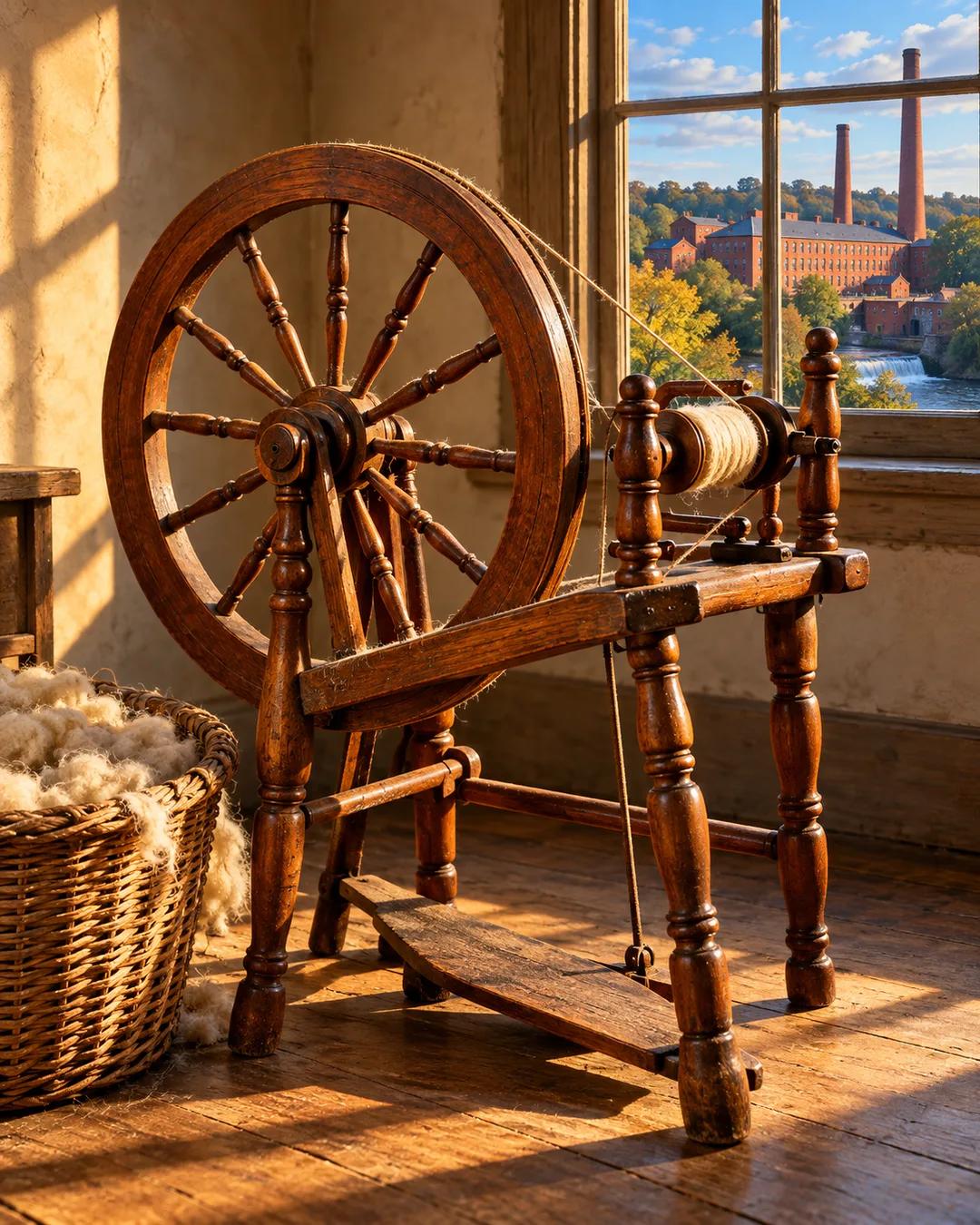
Industry gave us the fragile woman

Work leaves the home
Industrialization moved work out of the house, but someone still had to be at home, because there was no mass production and you couldn't buy ready-made clothes. Some people left to work for wages, and those wages had to be turned into things the family could consume. The division of labor between men and women got much sharper.
Women's role shifts
As women lost what society counted as their productive role, the emphasis shifted to their reproductive role: producing babies, and reproducing the things that make everyday life possible. Men faced rising competition in the world of work and commerce, and they began to romanticize women's work at home.
Protection and vulnerability
Men also found new ways to bolster their authority at home and outside it, by seeing women as weak, virtuous, but vulnerable. In the old patriarchy, women had to be excluded for the protection of men. Now women had to be protected because of their own vulnerability. That softened marriages, and it created a lasting gap between men's and women's personalities, which has become a real problem for women as they have moved into the work world.
How did factories change women's work?
Power looms in the early 1800s made cloth cheaply, which moved spinning and weaving out of homes. In the 1820s, mills in Lowell, Massachusetts hired thousands of young women from New England farms. Those women lived in company boardinghouses and were paid in cash wages, a rare arrangement for women at the time.
How did the cult of true womanhood spread?
Historian Barbara Welter gave the ideal its name in a 1966 essay, listing its four virtues as piety, purity, submissiveness, and domesticity. The ideal spread through sermons, etiquette books, and women's magazines. Godey's Lady's Book, edited by Sarah Josepha Hale, was among the most widely read magazines of the 1850s.
Why did women's work at home lose value?
Before industry, household production counted as part of a family's income. Once wages became the main measure of earning, unpaid work at home stopped showing up as earning. National income accounts such as the US gross domestic product still leave unpaid housework out.
More from Civics 101