Korva is a scroll of the internet’s best ideas.
Invasion only works in April or October

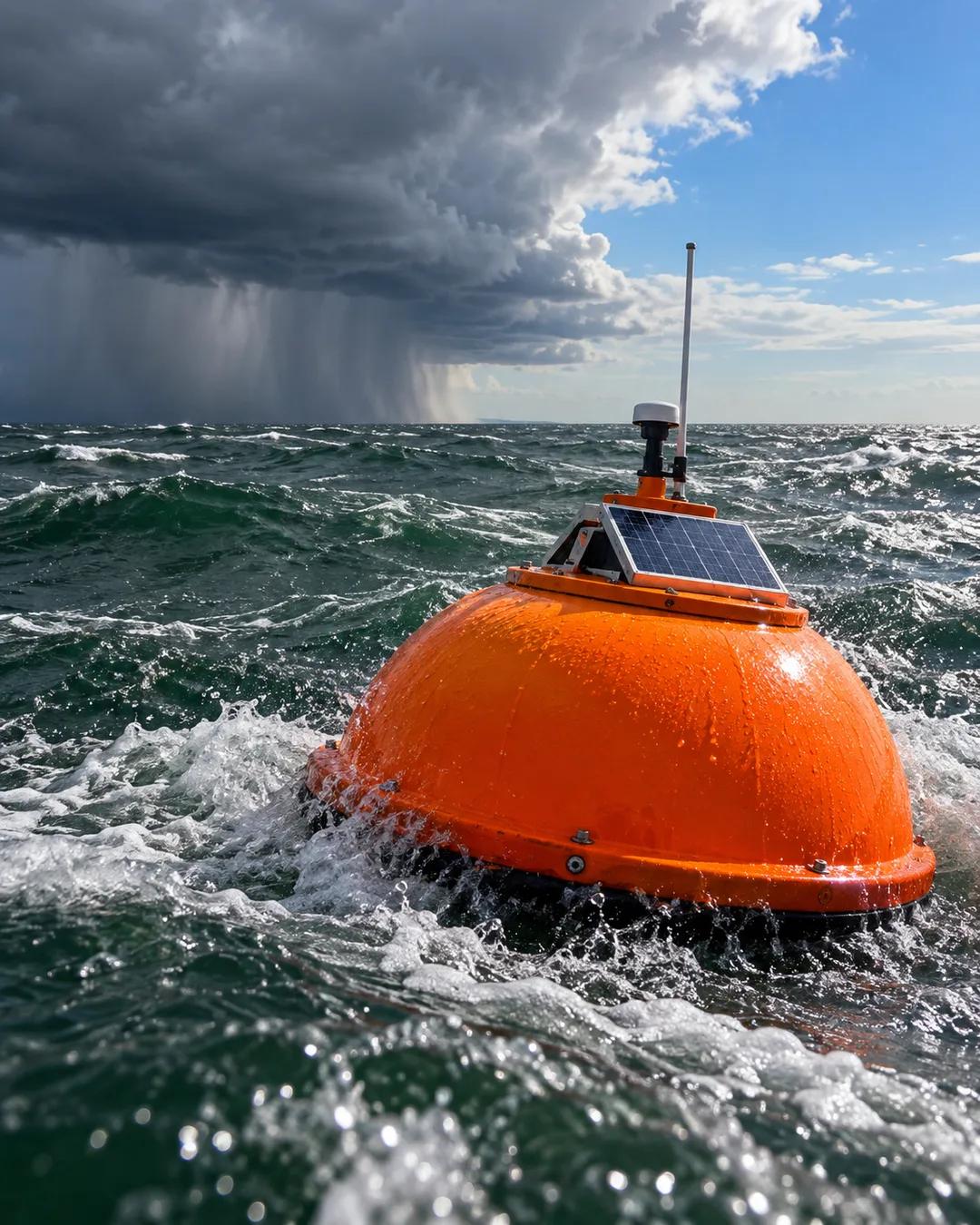
Amphibious landings depend on near-perfect sea conditions. Rough water swamps landing craft and makes troops seasick before they reach the beach, and the Taiwan Strait is far rougher than the English Channel on average. Clear skies matter just as much, so aircraft can operate without restraint, and both conditions need to last for days or weeks so reinforcements keep arriving.
Taiwan's weather follows a strict yearly pattern. In winter, a northeast monsoon pushes strong winds at the island and keeps the strait rough for months. That eases in spring and wave heights drop into summer, but summer is typhoon season, and typhoon tracks can only be forecast accurately three to five days out. A two-week weather window in summer can never be counted on.
Taiwan knows this schedule. A month-long military buildup on the mainland would most likely lead to an invasion in one of those two months, so Taiwan's military can mobilize in step with it.
Why is the Taiwan Strait so rough in winter?
The strait lies between mountains on both coasts, and these shape the winter northeast monsoon into a funnel that speeds the wind as it squeezes through. Wind-driven waves grow with wind speed and with the distance the wind blows over open water, so a steady strong wind over the length of the strait raises tall, steep seas. Winter shipping reports for the strait regularly carry gale warnings.
Why can't typhoons be forecast further out?
The atmosphere is chaotic, so small errors in the starting measurements grow larger with each day of a forecast. The US National Hurricane Center reports that its track errors at five days are several times larger than at one day. A storm's path depends on steering winds that can shift as other weather systems move in, and a small change in direction can move landfall by hundreds of kilometers.
Why does seasickness matter for an invasion?
Troops who arrive weak and nauseated fight worse and move slower, and a vehicle crew that has vomited for hours has less to give on the beach. Many of the soldiers who crossed the English Channel in small landing craft on D-Day were seasick before they landed. Eisenhower postponed the invasion from June 5 to June 6, 1944, after the Allied meteorologist James Stagg forecast a break in the storm.
More from Wendover Productions