Korva is a scroll of the internet’s best ideas.
Invite everyone into your system
The Dutch Open Society
The Dutch built it first, in the seventeenth century. While the rest of Europe fought wars of religion, the mostly Calvinist Dutch tolerated Lutherans, Catholics, and Jews, and a scientist whose paper offended the church drew nasty comments in other journals instead of an inquisition. A peasant's son who wanted to try life as a merchant could find backers and go ahead. The country produced the joint stock company, new seagoing technology, and the study of how blood circulates, and Locke wrote much of his best work there.
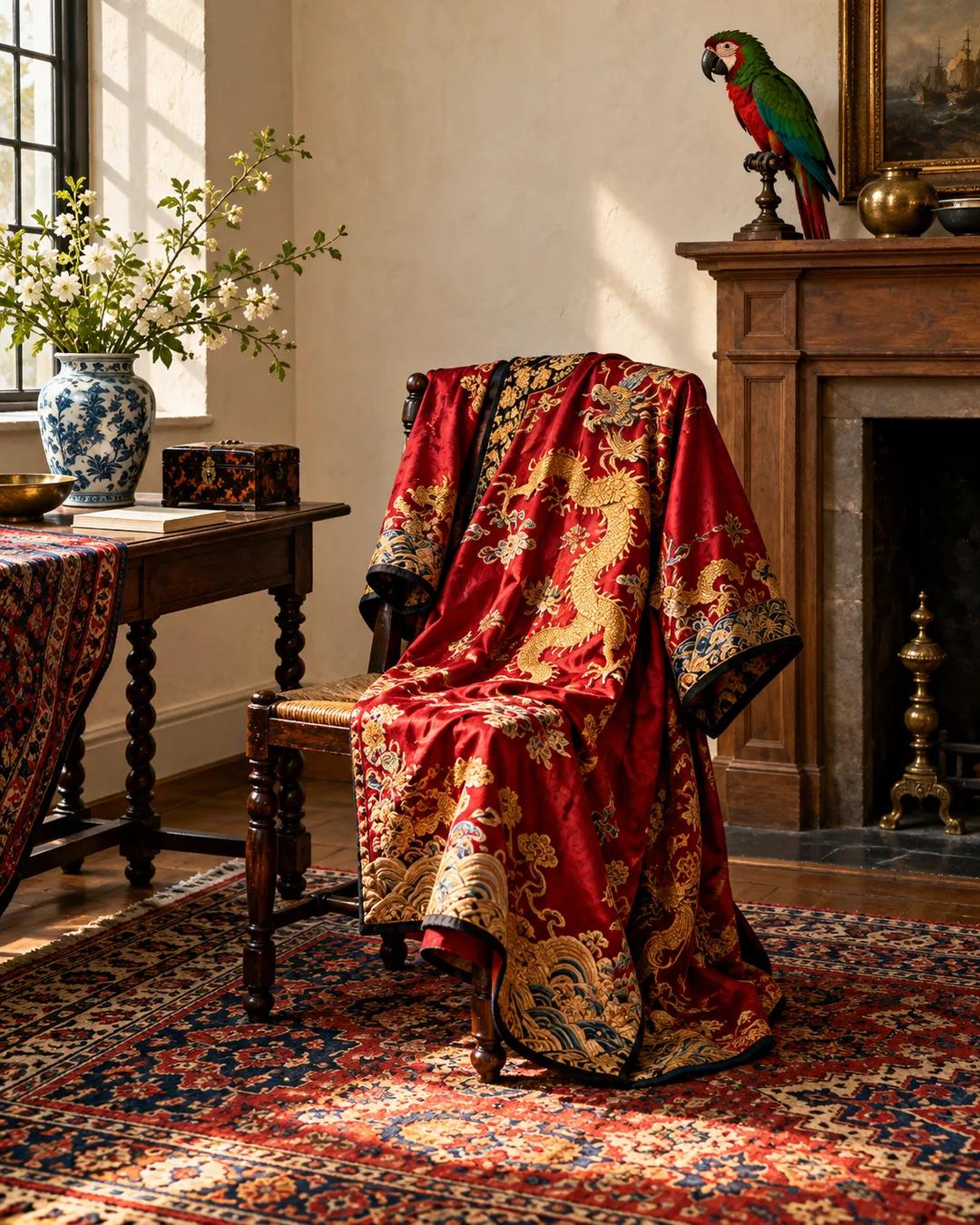
About ten thousand Dutch ships went out to trade in that century, and the trade made the country stinking rich. Dutch paintings show it: a merchant in a silk robe from China, standing on a rug from Turkey, with a stuffed parrot from Brazil on his mantelpiece.
Who Followed the Pattern
The risky step comes last. Spain declared Latin America closed to other traders, which condemned it to stagnation. Britain opened free trade across its empire and kept piracy down for everyone, so other countries, the United States and Germany among them, grew rich inside the British system. America repeated the pattern after 1945 by inviting Germany and Japan in, and both are now pillars of the world order. Russia and China got the same invitation after the Cold War and have taken the Wilhelm II path rather than the Konrad Adenauer path.
Why did Dutch merchants tolerate rival faiths?
The Dutch Republic grew out of a revolt against Spanish rule, and the 1579 Union of Utrecht declared that no one should be persecuted for their religion. Amsterdam's merchants cared more about trade than doctrine, and refugees such as Sephardic Jews and French Huguenots brought capital, skills, and overseas contacts. Calvinism stayed the favored public church, but private worship by other groups was widely allowed. Amsterdam's Portuguese Synagogue, completed in 1675, was then the largest synagogue in Europe.
How did the joint stock company change trade?
The Dutch East India Company, founded in 1602, sold shares to the public, and those shares traded on the Amsterdam exchange. Investors could sell their stake to someone else without breaking up the company, and they risked only what they had put in. That let thousands of ordinary people fund voyages that would have been too costly and dangerous for any one merchant. The company is often described as the first publicly traded corporation.
How did Britain keep the sea lanes open?
Britain's Royal Navy was the largest in the world through most of the nineteenth century. The Naval Defence Act of 1889 made the goal official by calling for a fleet as large as the next two navies combined. That fleet patrolled trade routes, suppressed piracy, and ended up protecting the ships of other countries along with its own. In 1816 a British and Dutch fleet bombarded Algiers to force an end to the enslavement of Europeans by Barbary corsairs.
How did Spain close off Latin America?
In 1503 Spain set up the Casa de Contratación in Seville to control all trade with its American colonies. Goods moved in convoys that sailed to a handful of authorized ports, and colonists were barred from trading directly with other European countries. Prices in the colonies rose because buyers had no competition among suppliers, and smuggling became widespread. Spain's convoy system lasted in some form until the mid-eighteenth century.
More from Invest Like the Best with Patrick O'Shaughnessy