Korva is a scroll of the internet’s best ideas.
Sixty-three days to evacuate one soldier

Toy Trucks to Weapons
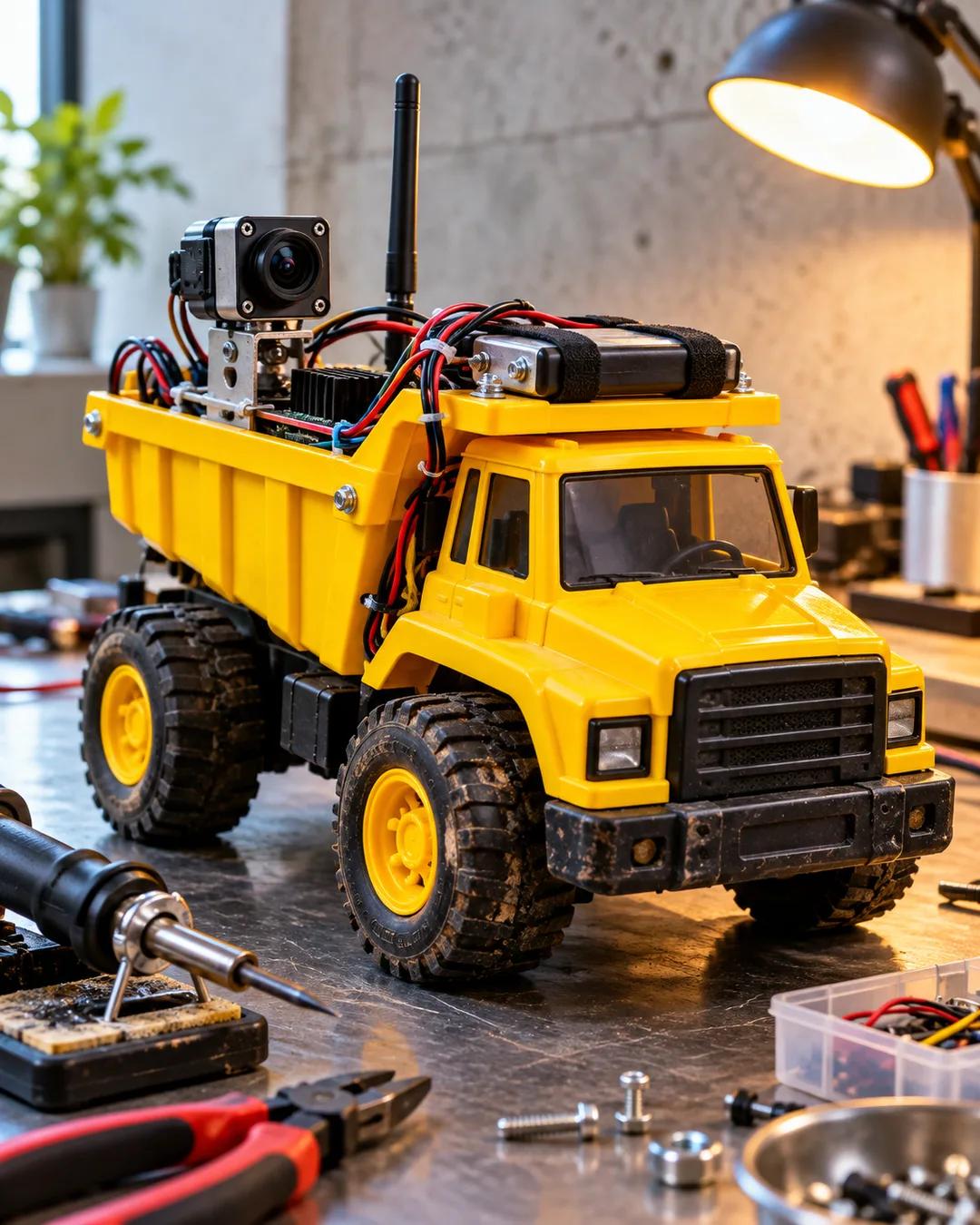
Early in the war, a Ukrainian drone factory was turning kids' toy trucks into ground drones that could carry a land mine up to a tank. Results came back from the battlefield in real time, and the engineers adapted the machines as they went.
The Gray Kill Zone
Since then the changes have been enormous. Battalions no longer face battalions. A gray kill zone has formed in which at most a couple of soldiers stay together, and soldiers there no longer treat bullet wounds because the injuries come from drones. A rescue now takes a new kind of ground drone that retrieves a person, covers him with a metal shield, and wheels him out, and it needs a whole team of other drones to watch for drones that would attack it.
Drones at Sea
Ukraine has no real navy, only a few tiny boats and no battleships, yet drones have kept the Russian Navy out of the Black Sea. The technology hits hardest the country with the most equipment: a power holding huge numbers of tanks loses more when the tank turns useless than a country that has figured out how to kill tanks. The tools change about every six months, a long way from the 1990s idea of one revolution in military affairs that, once mastered, would settle things.
Why does gathering in the open get soldiers killed?
Cheap surveillance drones can watch a front line around the clock, and small explosive drones can reach targets miles behind it. A vehicle or a group of soldiers in the open shows up on camera and can draw a strike quickly. Both armies have responded by spreading out into pairs or small teams and moving mostly under cover. Military analysts have described a wide zone along the front where daytime movement is close to impossible.
How did Ukraine push back Russia's Black Sea Fleet?
Ukraine says it sank the cruiser Moskva, the fleet's flagship, with missiles in April 2022, while Russia attributed the loss to a fire. Uncrewed explosive boats and long-range missiles later struck other vessels and port facilities. Russia moved much of the fleet from Sevastopol in Crimea to Novorossiysk, farther from Ukrainian reach.
Why did 1990s thinkers expect one military revolution?
The 1991 Gulf War showed precision-guided munitions, stealth aircraft, and networked sensors crushing a large conventional army. Analysts in the United States, including those in the Pentagon's Office of Net Assessment, popularized the phrase revolution in military affairs. Soviet theorists had used a similar term, the military-technical revolution, in the 1980s. The idea was that a country that mastered the new tools would hold a lasting lead.
More from Invest Like the Best with Patrick O'Shaughnessy