Korva is a scroll of the internet’s best ideas.
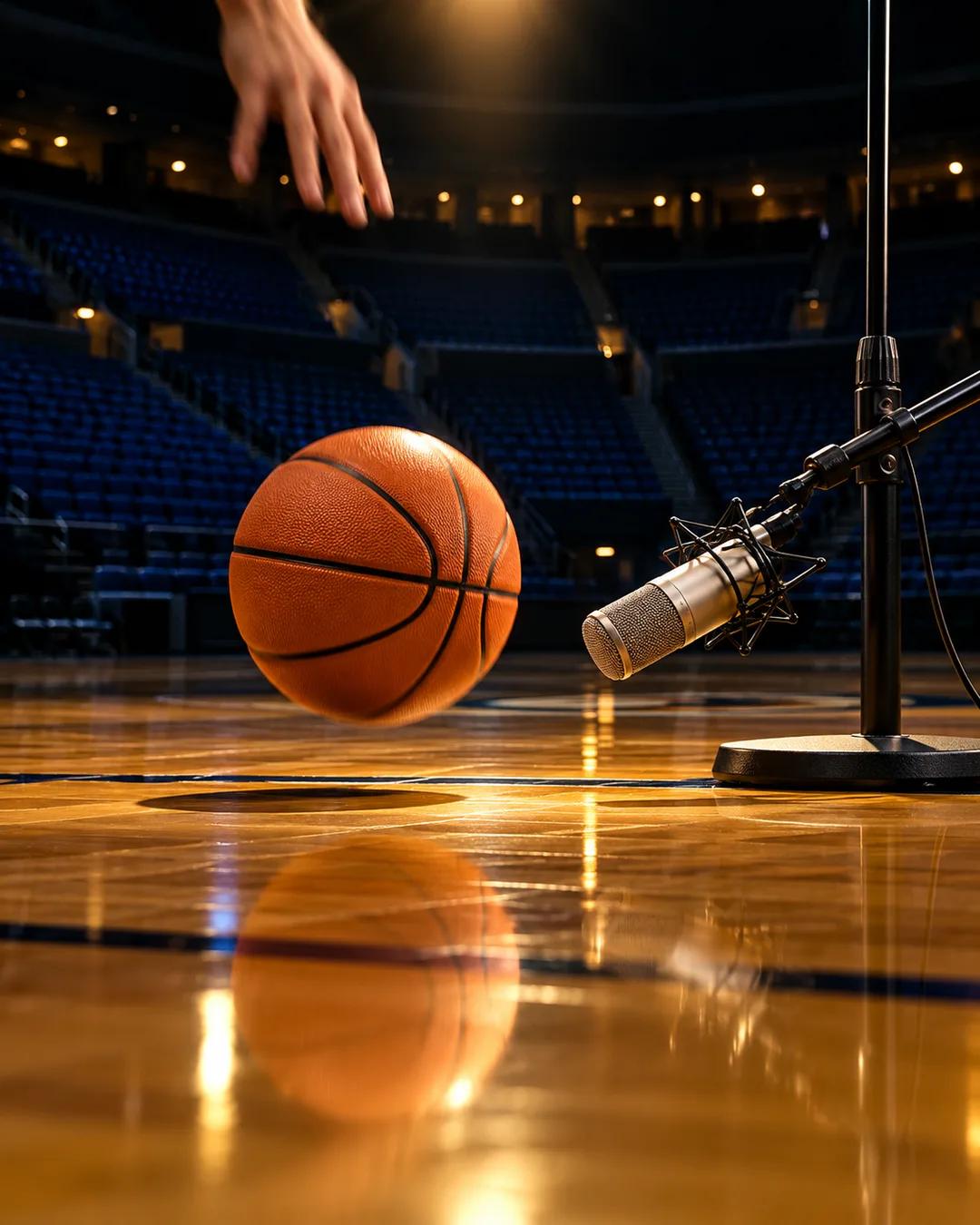
Iverson's dribble was the beat

Steve Stoute ran marketing for Reebok as a partner at an agency, when Reebok held the NBA license. His platform for the brand was the sound and rhythm of sport, built on the idea that every artist wanted to be a basketball player and every basketball player wanted to be a rap artist. He hired Hype Williams, a music video director, to shoot the spot.
Advertising people couldn't see how a music video director could shoot a TV commercial. To Stoute the formats were identical: a music video is a commercial for a song, and a 60-second video run on television is a TV commercial, because the only difference is where it runs.
Heard on its own, the bounce passed for any other hip-hop beat, and the finished spot was beautiful. It changed the trajectory of Reebok and led Stoute into artist sneaker deals, starting with the S. Carters for Jay-Z.
Why do music video directors move into ads?
Both formats ask a director to tell a vivid story in a few minutes with a strong visual identity, so the skills carry over. Jonathan Glazer, who directed Radiohead's 'Karma Police' video, also made the 1999 Guinness spot 'Surfer.' Spike Jonze moved from music videos such as the Beastie Boys' 'Sabotage' to commercials and then to features, including Being John Malkovich in 1999.
Why does a basketball bounce work as percussion?
Percussion sounds are defined by a sharp attack and a quick decay, and a basketball hitting a hardwood floor has both. The floor adds a low resonant thump in a range similar to a kick drum. A steady dribble produces roughly two to three bounces per second, which corresponds to a tempo of about 120 to 180 beats per minute.
More from David Senra