Korva is a scroll of the internet’s best ideas.
Jobs hunted underground Dylan recordings

Collecting Dylan
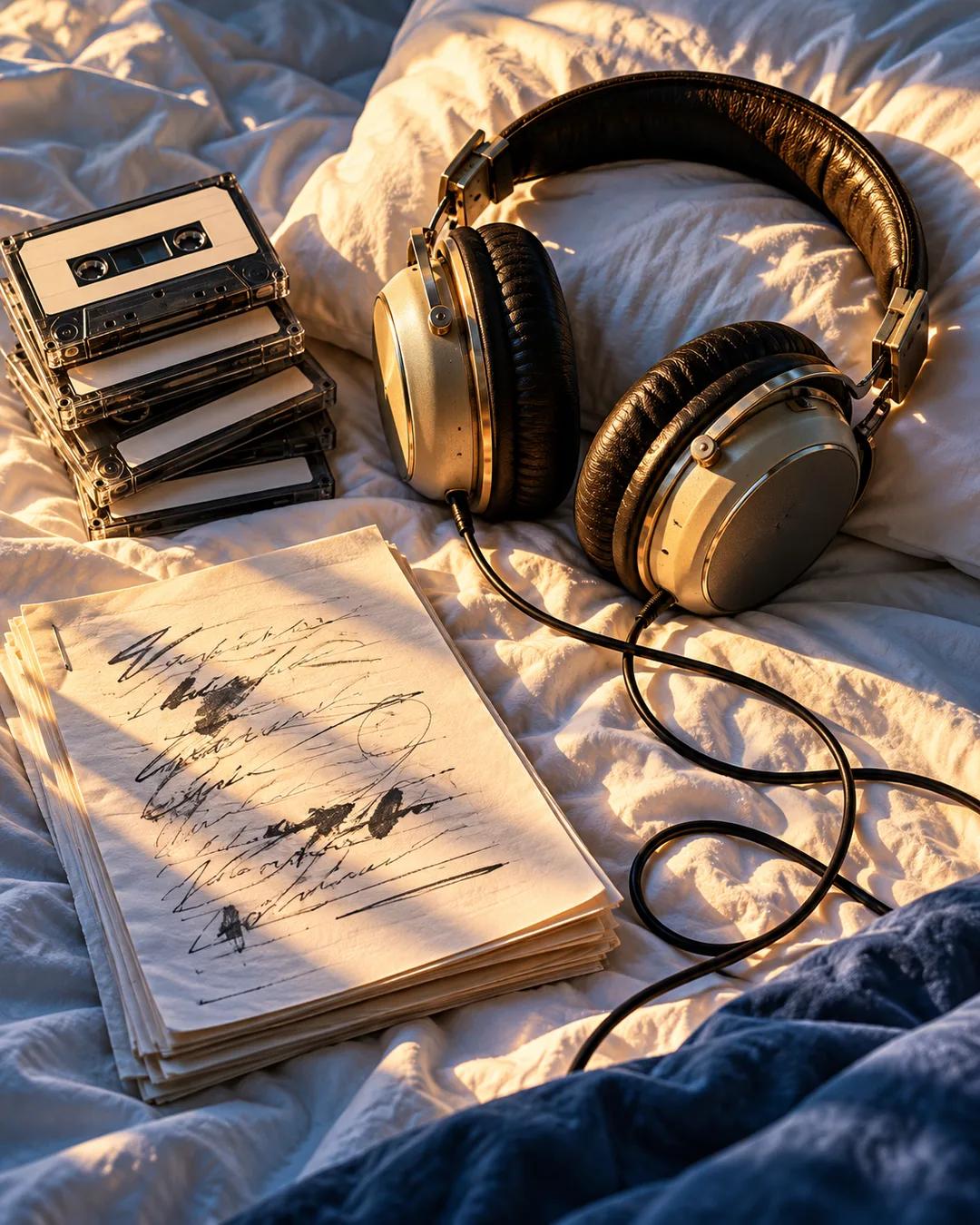
Jobs collected printed brochures of Dylan's lyrics and spent hours interpreting them. He gathered hundreds of hours of recorded Dylan concerts and lay in bed listening to them on headphones. Near the end of his life, while he and his biographer Walter Isaacson listened to Dylan records together, Jobs remarked that no one else could have been Bob Dylan.
The iTunes conversation
After Apple launched the iTunes Store, Jobs got a two-hour one-on-one conversation with Dylan. Dylan described how the songs just came through him, as if he were not having to compose them. That matched how Jobs approached creating new products.
The motto
At the end of Isaacson's biography, Jobs explains what drove him: he learned from the Beatles and Bob Dylan that artists keep evolving, moving, and refining their art, and he tried to do the same with technology. He took his motto from Dylan, who put it this way: if you're not busy being born, you're busy dying.
How did Dylan bootlegs start circulating?
In 1969, an unauthorized double album called Great White Wonder appeared in record stores, packed with unreleased Dylan recordings. It is often cited as the first major rock bootleg, sold in plain white sleeves with hand-stamped covers. Its success showed that fans would pay for recordings the artist never released. Columbia Records eventually began putting out official archive releases, starting with the Bootleg Series in 1991.
How did the iTunes Store change music buying?
Apple opened the iTunes Store in April 2003, selling individual songs for 99 cents each. Before that, most legal music came as full albums on CDs. According to Apple, the store sold its first million songs in about a week. By 2006 it had sold a billion.
More from Founders