Korva is a scroll of the internet’s best ideas.
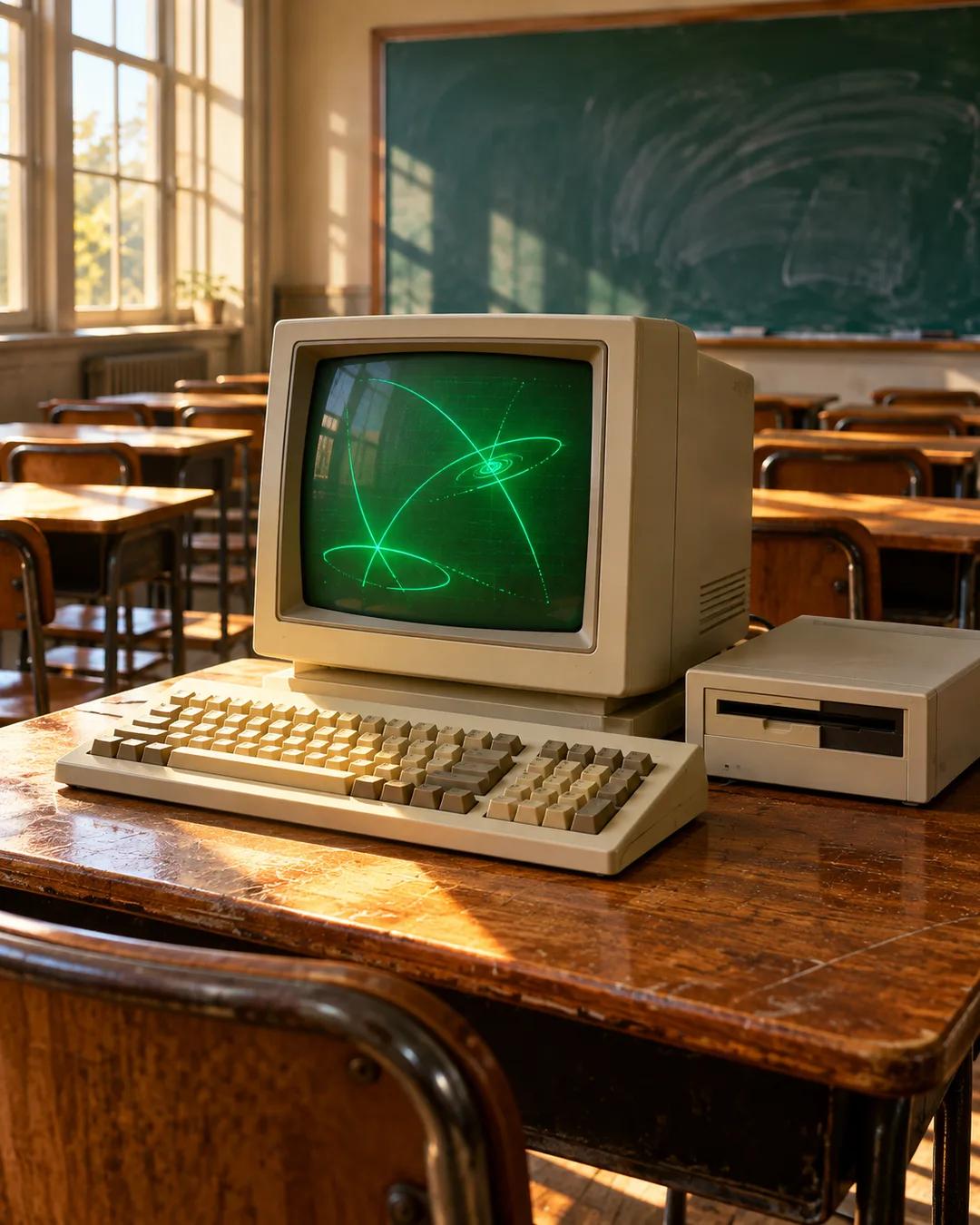
Jobs lobbied Congress for school computers
Kids Can't Wait
Many schools didn't yet know what a student would do with a computer, and giving one to each of them would have cost Apple millions of dollars. So Jobs went to Washington, D.C., to lobby Congress for a tax break for computer makers. He called the campaign Kids Can't Wait.
Why Jobs cared
Jobs had fallen for computers at a young age, and he felt the urgency personally. The business case sat right beside it: a kid who uses an Apple computer in class comes home and asks for one, which makes a lifelong Apple customer of the kid and gets the parents buying computers for home use too.
California steps in
Congress did not pass the Apple bill. California did, and computer manufacturers there could now get a tax break for donating computers to schools. In 1982, Apple gave an Apple IIe to nearly every school in California, thousands of schools, and the gift ushered in a new idea called computer literacy.
Why did Apple go after schools first?
The Apple II was already popular in classrooms by the late 1970s, helped by educational software from groups like the Minnesota Educational Computing Consortium. That group's game The Oregon Trail became a classroom staple on the machine. Teachers who learned on the Apple II kept asking for more of them, and software makers wrote their programs for it first. The Apple II stayed the most common computer in American classrooms through much of the 1980s.
How does donating computers become a tax break?
A tax deduction lets a company subtract the value of a donation from the income it pays tax on. Ordinarily a company that donates goods from its own inventory can deduct only about what the goods cost to make. A special law can raise that to a larger share of the market price, which makes giving away machines cheaper than it looks. Federal tax law generally limits the deduction for donated inventory to the item's cost unless a special rule says otherwise.
What did schools do with computers in the 1980s?
Many early classrooms taught typing, the BASIC programming language, and educational games. Logo, a language created at MIT in the 1960s with Seymour Papert among its designers, ran on the Apple II and had children steer an on-screen turtle with short commands. Papert argued that children learned mathematics by programming the machine rather than being programmed by it. Logo remained a common classroom language through the 1980s.
More from Fresh Air