Korva is a scroll of the internet’s best ideas.

Tech pushed coding, then automated it
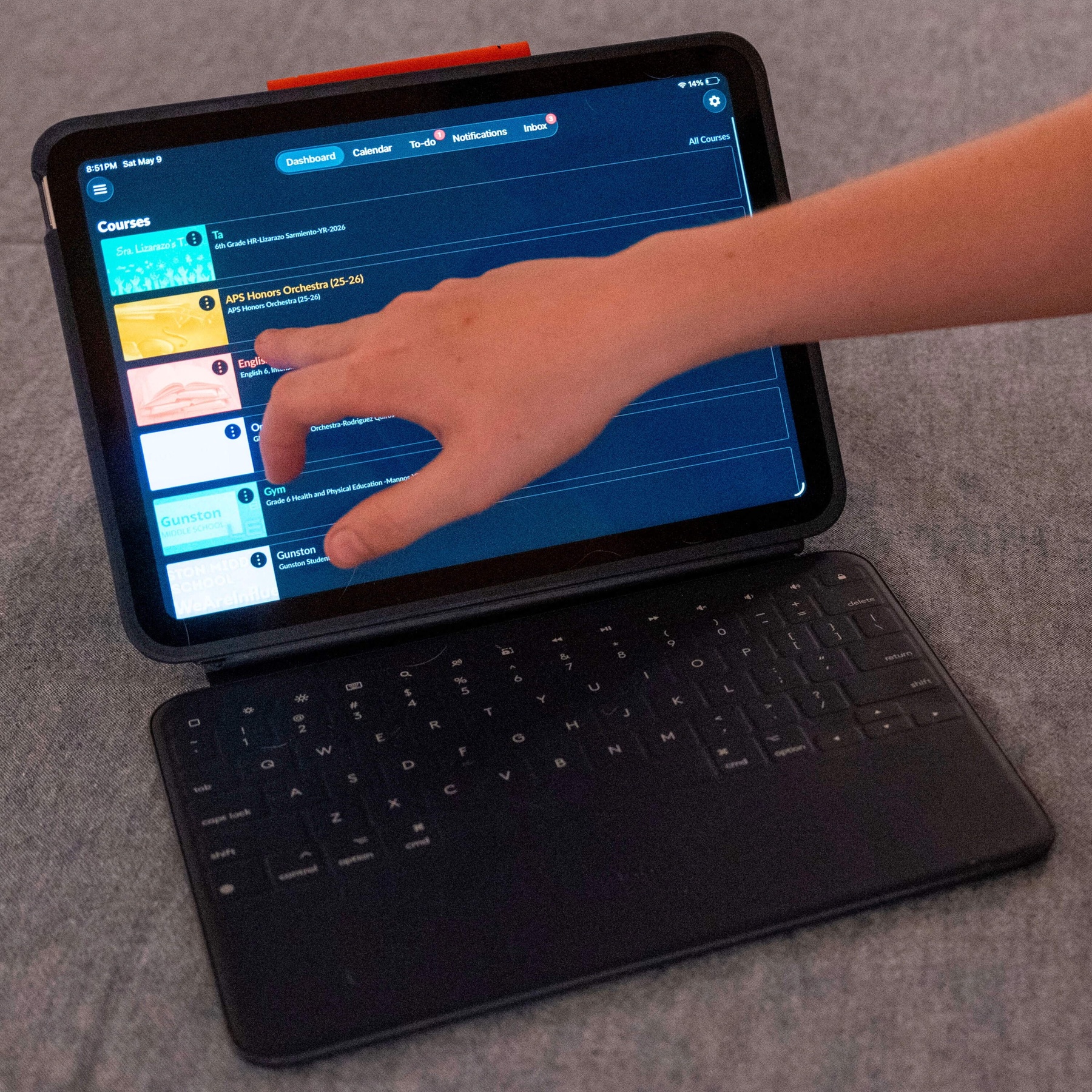
The coding push
Around 2011 and 2012, executives at fast-growing tech companies began saying publicly that they couldn't find enough software engineers, and that public schools were to blame. The complaint grew into something like a national emergency. Parents, teachers, and kids heard the same promise: teach every child computer science, and they would land high-paying jobs and change the world.
Code.org, a nonprofit funded by Google, Microsoft, and others, put coding on the map for families. More kids took the classes, and more majored in computer science in college. The argument was code or be coded: people who couldn't code would be steered by the apps, and people who could would be the ones making them.
Then AI arrived
Then generative AI arrived. Software engineers began using ChatGPT, Claude, and tools like Replit to generate code, the industry's interest in funding computer science in schools faded, and the money moved to data centers costing hundreds of billions of dollars. Tens of thousands of tech workers were laid off. Students who graduated with computer science degrees are now struggling to get jobs.
Why did coding look like a safe bet?
For years the U.S. Bureau of Labor Statistics listed software developers among its fastest-growing occupations, with median pay well above the median for all jobs. Tech companies also pressed Congress for more visas for skilled workers, citing unfilled engineering jobs. Together those signals made programming look like a sure path to a good income. Computer science enrollments in American colleges climbed through the 2010s.
How can AI write working code?
Large language models are trained on huge amounts of text, including public code, so they learn the patterns of how programs are written. Given a plain-English request, they predict the code that most likely follows, one piece at a time. Programming languages are formal and highly repetitive, which suits that kind of pattern prediction. The output still needs testing, because a model can produce code that looks right and fails when it runs.
Where did the phrase code or be coded come from?
Media theorist Douglas Rushkoff's 2010 book Program or Be Programmed argued that people who do not understand digital tools end up shaped by them. The idea fit neatly into the push to teach coding to every child. Advocates repeated it in campaigns aimed at parents and schools. Rushkoff's book was published two years before Code.org launched.
More from Fresh Air