Korva is a scroll of the internet’s best ideas.
Jobs went east, resentment went west

Industry in decline
In 1900 Belfast was an industrial powerhouse of linen mills and shipyards. By 1963 jobs in textiles and shipbuilding had been shrinking since the 1950s, unemployment was higher than in the rest of Britain, and earnings were lower. A Northern Irish Labour Party was advancing among working-class voters. Captain Terence O'Neill became Prime Minister in March 1963, and his priority was economic. He meant to get multinational companies such as Michelin, Ford, and ICI to come to Northern Ireland because labour costs were cheaper.
The forgotten west
Most of the investment went to Belfast and the east, which were more urbanised and had better transport links to Great Britain. The heavily Catholic west, where unemployment was already higher, got none of it, and people there decided O'Neill only cared about the Protestants in the east.
Clash with lodge culture
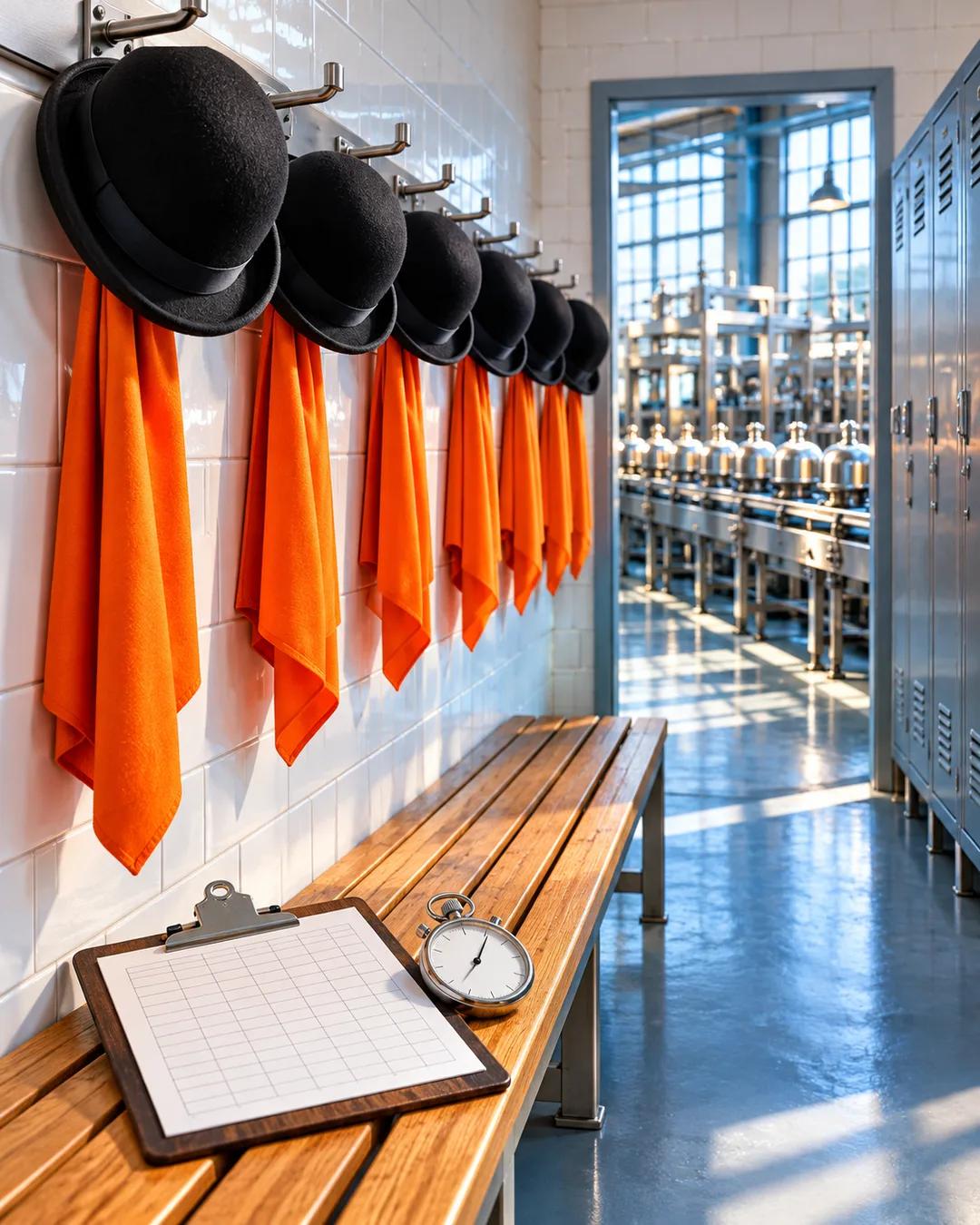
The investment also disrupted the existing arrangements. Picture a manager from Ford or Michelin arriving in a sharp suit with a graph and a time and motion study, and being told that the workforce would be wearing bowler hats on a big march and that no Catholics could be hired. The Ford Motor Company does not operate that way. Tension grew between the new companies and the men who spent their evenings at the Orange Lodge singing songs about the Glorious Revolution.
O'Neill was poorly placed to handle it. He was an Old Etonian with an English accent, brought up in London and married to an Englishwoman. Country landowners liked him, but poorer, more conservative working-class Protestants saw him as soft and stuck up. He was aloof, shy, and cold, and one of his own ministers would not have felt like dying in a ditch for him.
Why did Belfast's linen and ships decline?
Cheaper synthetic fibres such as nylon and polyester cut demand for linen, and imports from low-wage countries undercut the mills. Shipbuilders in Japan, Sweden, and elsewhere also built faster and cheaper than Belfast's yards. Harland and Wolff, which built the Titanic, ran into repeated losses and was taken into public ownership in 1975.
Why did Derry lose its university?
In 1965 a government committee led by Sir John Lockwood recommended placing Northern Ireland's second university at Coleraine, a smaller and mainly Protestant town. Derry, the province's second city, had Magee College and a large Catholic majority, and many there saw the decision as deliberate neglect. The New University of Ulster opened at Coleraine in 1968.
Where did O'Neill put the new city?
The 1963 Matthew Plan recommended concentrating growth around Belfast and building a new city in County Armagh to be named Craigavon. The new city lay in the east, in a mainly Protestant area, and it drew government spending away from the west. Craigavon was designed for tens of thousands of residents, but its population never came close to that.
More from The Rest Is History