Korva is a scroll of the internet’s best ideas.
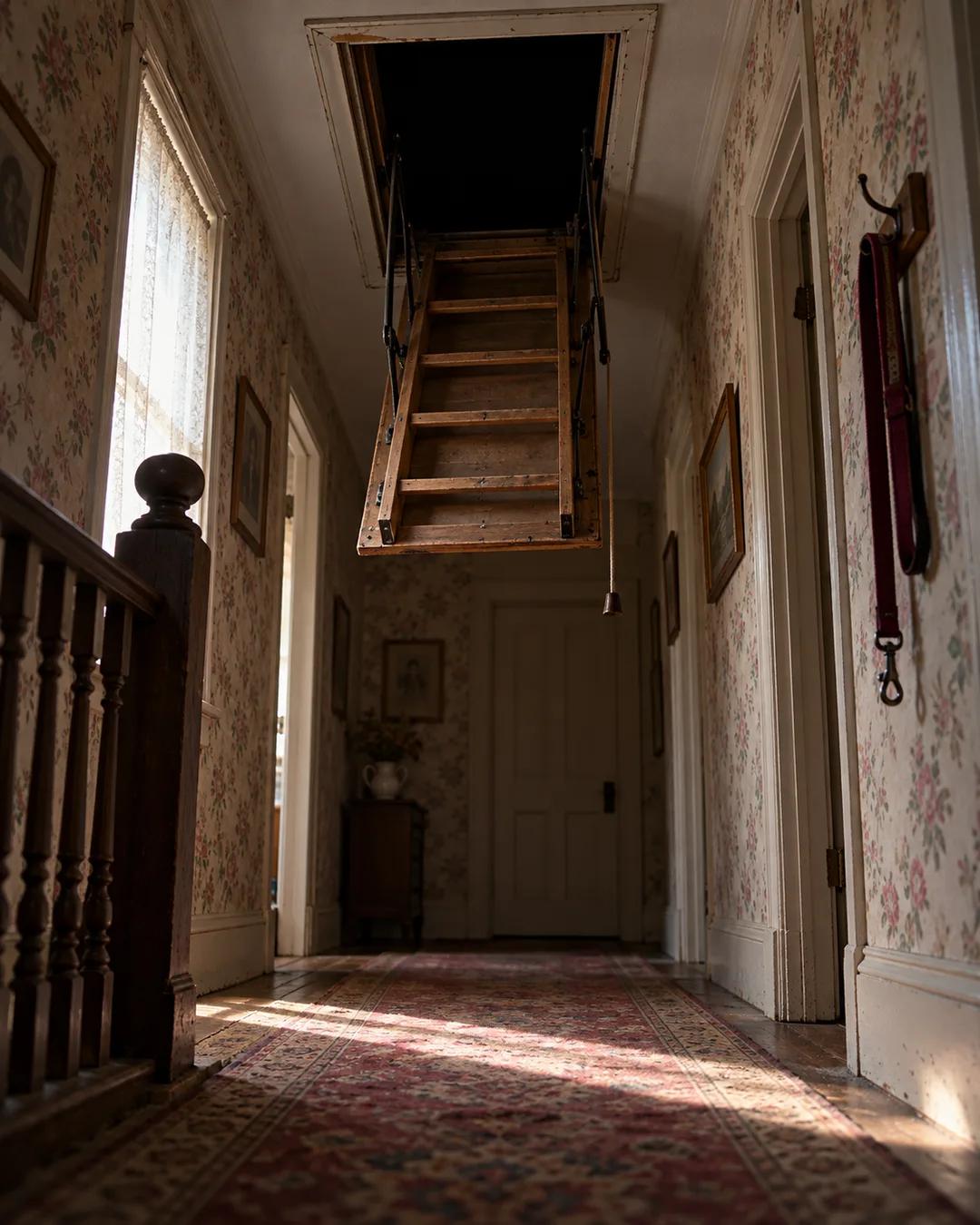
Kept a gun in the shower
Life in the basement
Brian had come home after his father stopped paying his college tuition. His mother had breast cancer, relied on an oxygen tank, and drank a whole bottle of cough syrup every evening to knock herself out. A few times she asked him to help her die. Brian took to living in the basement. He lost his appetite, had bad dreams, stayed up all night, slept by day, and left the house only to buy groceries.
The machine in the attic
On night walks with his dog he noticed strange shadows moving under the trees, cars that passed at certain times of day, and people who seemed to be in disguise. He came to believe someone had set up a machine in the attic with a microphone that picked up his thoughts and a speaker that sent him subliminal messages. His parents watched him talk on the phone without dialing a number. Convinced that enemies surrounded him, he bought the gun.
February 1992
In February of 1992 he stopped sleeping, at first on purpose, to stay alert in case of an attack. When exhaustion set in he still couldn't fall asleep, and he punched the walls of his room for about a week. Early one morning he began drifting off, and a violent noise jolted him awake: his father yelling in the kitchen downstairs. In a trance, he took the gun downstairs and shot both of his parents.
Why do delusions feel so convincing?
In 2003 the psychiatrist Shitij Kapur proposed the aberrant salience model: dopamine systems that flag what matters begin firing for irrelevant events, so ordinary sights and sounds feel loaded with meaning. The mind then builds an explanation for why everything seems significant, and that explanation hardens into a delusion. Because the underlying sense of significance is real to the person, evidence against the belief does little to dislodge it. Kapur also suggested that antipsychotic drugs work partly by turning that sense of significance back down.
How does sleeplessness worsen paranoia?
Sleep loss disrupts the brain's ability to judge threat and to read other people's intentions. In a 2007 study from the Walter Reed Army Institute of Research led by Kahn-Greene, healthy adults kept awake for about 56 hours reported rising paranoia and other psychiatric-like symptoms. Later experiments in Britain, including work by Daniel Freeman and colleagues at Oxford, linked poor sleep to more suspicious thoughts in the general population. People with psychosis often report that sleep loss comes before a relapse.
Why do delusions involve hidden machines?
Delusions borrow their themes from the technology of the era. In 1919 the psychoanalyst Viktor Tausk described patients who believed a so-called influencing machine controlled their thoughts and bodies, a belief he traced through the technologies of his day. Later patients described radio, television, and computers in the same role. The details change with each generation's devices, while the belief in outside control stays the same.
More from Criminal