Korva is a scroll of the internet’s best ideas.

She came to therapy after leaving her daughter at college, and a flood of fear about separation came up. Slowly it became clear that she had suffered many unrecognized losses as a child, and that she clung to everything because of them.
Her answer to loss was to hold on. She stayed in situations too long and chose unhappiness over the uncertainty that comes with change. She was afraid to voice any disappointment or need, so that nothing would shift and she would lose nothing.
The pattern belongs to the melancholic child, preoccupied with loss from a young age. Such children express the fear of loss through resistance to change, argue with endings and separations, and often stay in relationships long after they have ended.
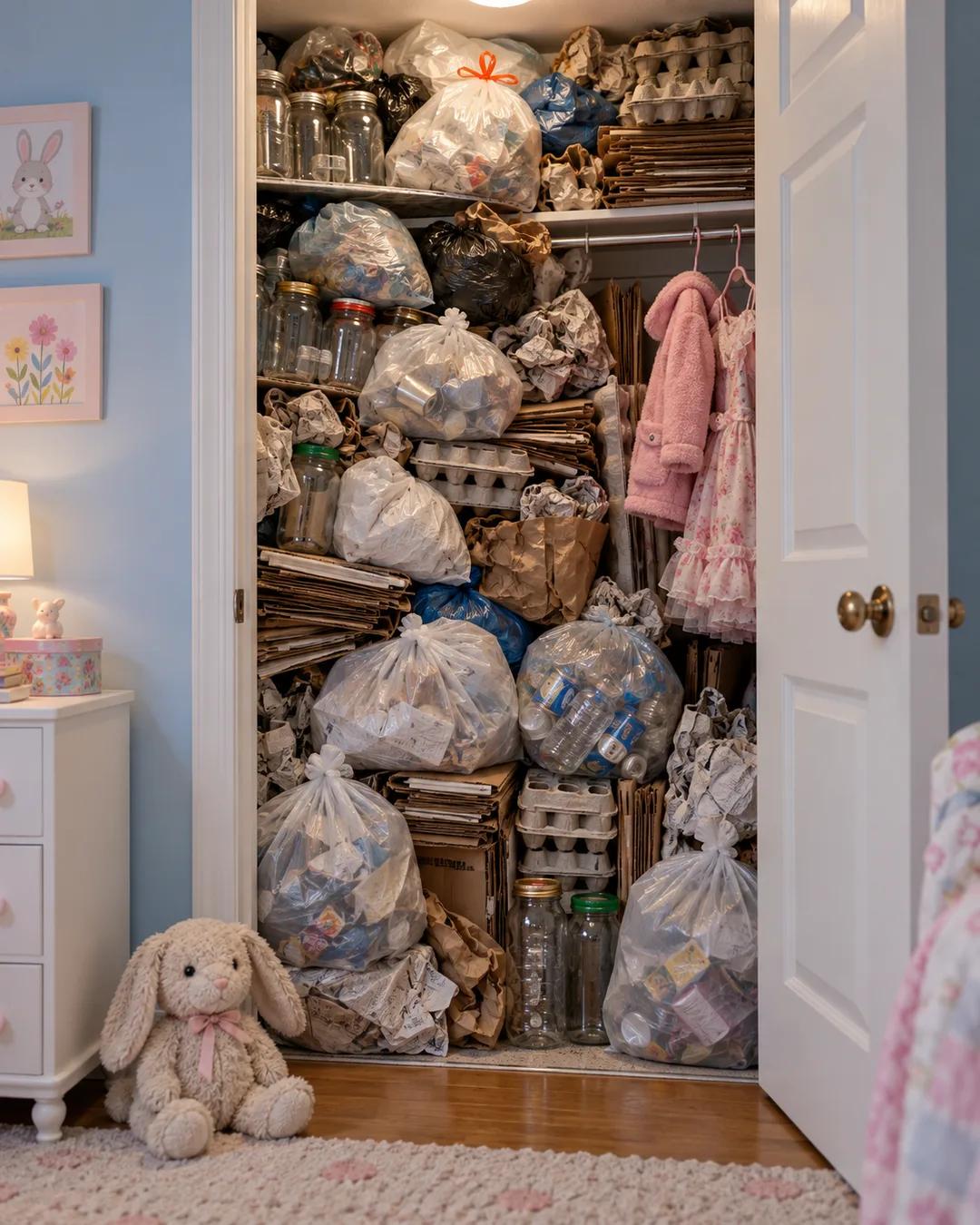
Why is throwing things away so hard for some people?
The fifth edition of the Diagnostic and Statistical Manual of Mental Disorders, published in 2013, listed hoarding disorder as its own diagnosis, separate from obsessive-compulsive disorder. Studies led by Randy Frost and Gail Steketee describe how people who save a great deal often experience objects as holders of memory and parts of their identity. A 2007 study by Cromer, Schmidt, and Murphy found that people with hoarding problems reported more past traumatic events than a comparison group.
Why do children cling to blankets and toys?
British pediatrician and psychoanalyst Donald Winnicott introduced the term transitional object in a 1953 paper. He observed that a blanket or soft toy helps a young child cope with being apart from the mother. The object stands between the child's inner world and outer reality, and it is the child's first possession that is not part of the child's body. Winnicott worked for decades at Paddington Green Children's Hospital in London.
More from 10% Happier with Dan Harris