Korva is a scroll of the internet’s best ideas.

Your inner voice copies your parents
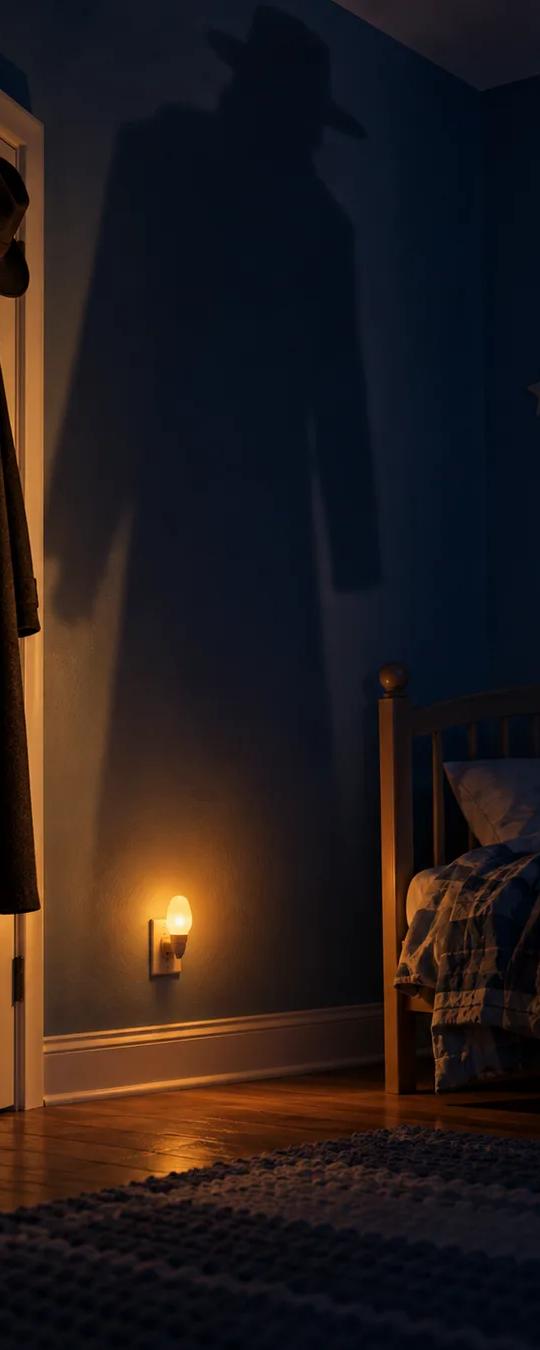
The voice of your parents
The adult in us can offer care, understanding, and agency, yet most of the time it shuts the child out, because the child messes up our lives. The voice says to be quiet and to stop. This is identification: people treat the children in them the way their parents treated them. If a parent said you were too dramatic, an inner voice repeats that you are too dramatic and that nothing happened.
Speaking to yourself
People also talk to themselves worse than they talk to anyone else. Some patients are fantastic parents who speak to themselves in ways they would never speak to their own child. Sitting with yourself as if you were your own parent, and asking what you would say, exposes the gap.
Recruiting the adult
In a charged moment, the answer is to recruit the adult: an internal parent who is compassionate and can regulate and soothe the distressed part. A close cousin is Kristin Neff's self-compassion practice. In a moment of suffering, put a hand on your heart and talk to yourself the way you would talk to a good friend.
How does a parent's voice become your own?
Lev Vygotsky argued that inner speech grows out of speech with other people. Children between about three and seven talk aloud to themselves while playing, and he saw this as the conversation they have had with caregivers turned inward. Freud had made a related claim in 1923 in The Ego and the Id, where he described the superego as parental authority absorbed into the mind. Vygotsky's book Thought and Language was published in 1934, the year he died.
Why do people advise friends better than themselves?
Psychologists Igor Grossmann and Ethan Kross named this Solomon's paradox, after the biblical king who was wise about others and foolish about himself. In a 2014 study in Psychological Science, participants reasoned about a conflict in a close friend's relationship or about one in their own. They showed more wisdom, including more humility and more awareness of other viewpoints, when thinking about the friend's situation.
What does self-compassion research measure?
Kristin Neff, a psychologist at the University of Texas at Austin, published the first Self-Compassion Scale in 2003. She defined self-compassion as three parts: self-kindness, a sense of common humanity, and mindfulness of painful feelings. Her scale has since been used in hundreds of studies in many countries. Neff has also co-developed an eight-week training program, called Mindful Self-Compassion, with the psychologist Christopher Germer.
More from 10% Happier with Dan Harris