Korva is a scroll of the internet’s best ideas.
Keto dieters flunk glucose tests
Why tests go badly
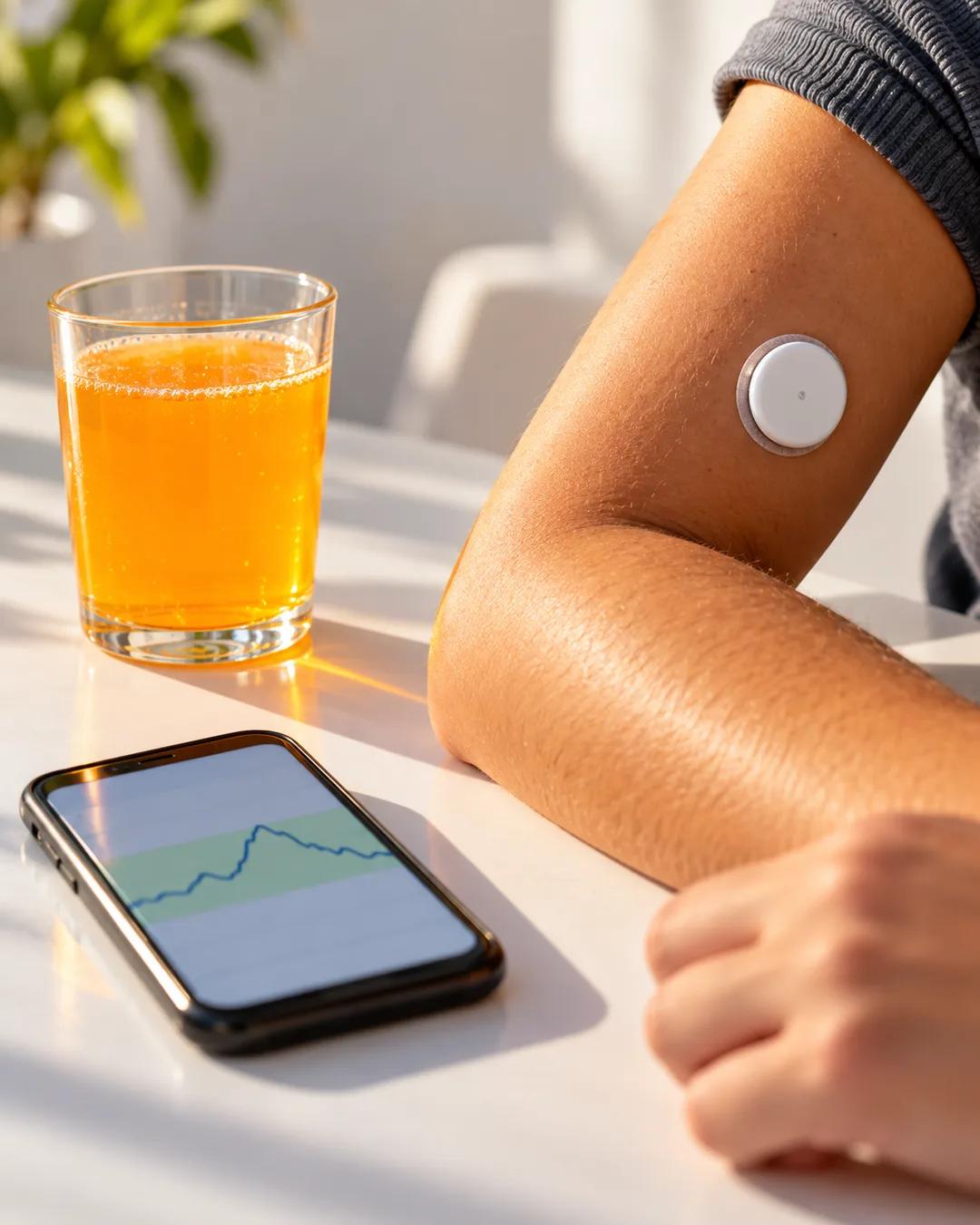
The body upregulates systems for fat metabolism and glucose production on keto, so when carbohydrate returns, it handles glucose poorly at first. Whether someone looks insulin sensitive depends on how it is measured: fasting blood glucose, fasting insulin, and HOMA-IR tend to be good on low carb, while an oral glucose tolerance test tends to be bad.
A transition period
The effect lasts a few weeks. The idea that keto leaves a person glucose intolerant or insulin resistant looks like a transition period, and lasting health problems from it are probably not a concern, especially if calories are still controlled.
Moving between extremes
Moving between extremes, from low fat to low carb or the reverse, can come with some weirdness in the transition. It resembles starting weight training for the first time: soreness and stiffness are expected.
Why would keto slow glucose handling at first?
On a ketogenic diet, muscle shifts to burning fat and raises levels of the enzyme PDK4, which turns down glucose oxidation. This preserves scarce glucose for the brain and red blood cells. The shift is called physiological insulin resistance. When carbohydrate returns, enzymes for glucose use take time to rebuild.
Has this effect been known for long?
Early twentieth-century physicians called it starvation diabetes after seeing high glucose readings in fasting people given sugar. It is the reason the World Health Organization procedure for oral glucose tolerance tests calls for adequate carbohydrate intake in the days before the test. Without that preparation, the test can overstate how poorly the body handles sugar.
More from Andrew Huberman