Korva is a scroll of the internet’s best ideas.

Ladder-toppers have no convictions
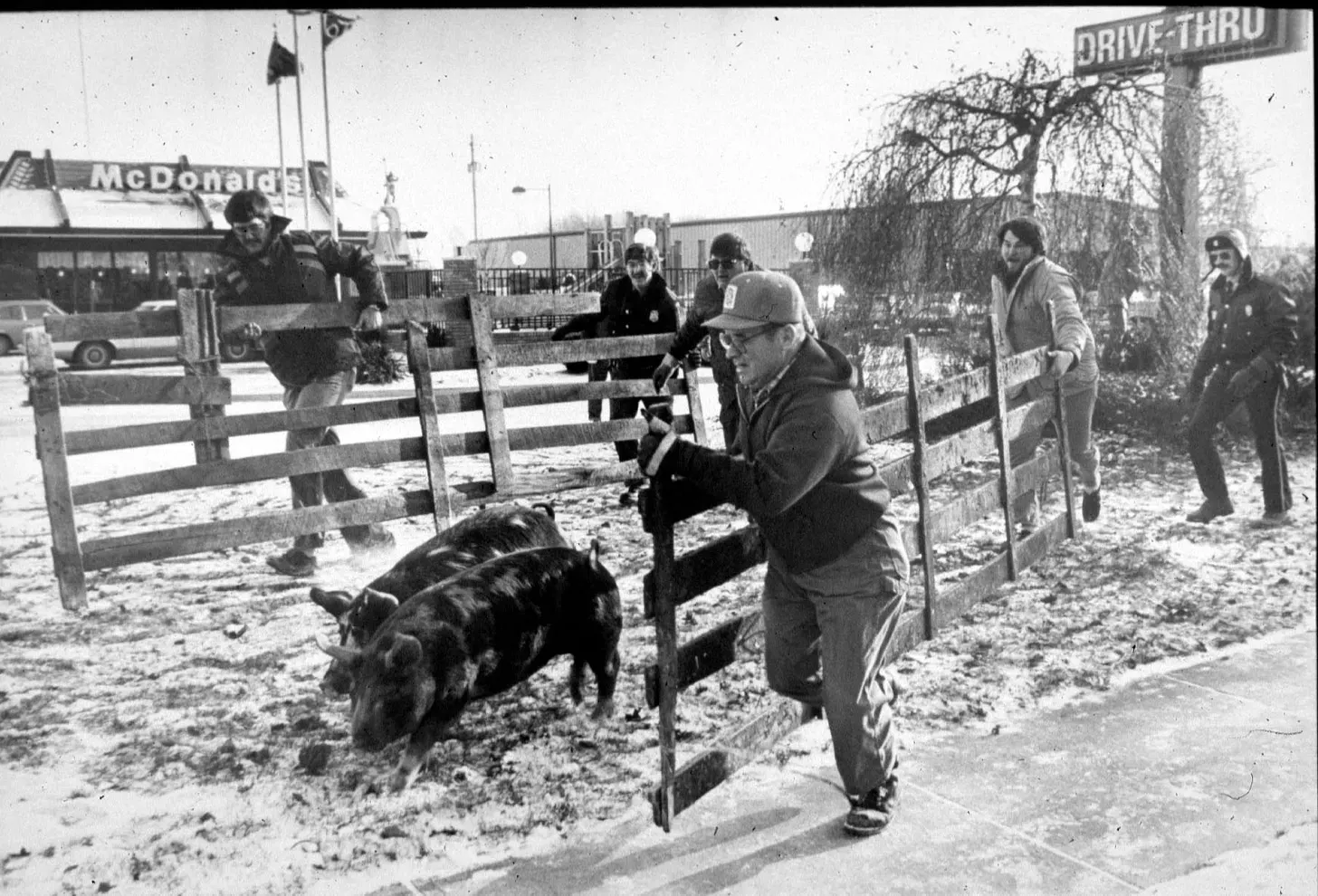
The view from the top
At the bottom of every ladder he wanted to climb, one person in his early 20s assumed the people at the top must be wise, cool, and smart, because they had what everybody else wanted. Years of meeting captains of industry, Grand Pooh-Bahs, and Distinguished Scholars changed that picture. Only a few of them turned out to be wise and cool. More often they were sniveling little twerps, spiritually chinless, with no passions and no purpose other than ladder-climbing.
Why they defend incentives
These are often the people most insistent that incentives ought to be obeyed. They swear that good grades, cash, and prestige are inherently valuable, or at least useful proxies for value.
They have to swear it. Like the government of a failing nation, they must insist their currency is real, and they lash out at anyone building an alternative economy, because otherwise the whole fraud comes crashing down.
Why do people at the top defend their ladder?
In 1959, psychologists Elliot Aronson and Judson Mills had women go through either a mild or a severe embarrassing screening before joining a group discussion. The discussion itself was deliberately dull, but the women who endured the severe screening rated it as more interesting than those who had the mild one. Psychologists call this effort justification: the more a person pays for something, the more they come to value it.
Why does a currency collapse when trust fails?
A paper currency has value only because people expect others to accept it. In Germany in 1923, prices were rising so fast that they doubled every few days during the worst months, and workers were paid twice a day so they could spend their wages before they lost value. The government ended the crisis in November 1923 by replacing the old mark with the rentenmark at a rate of one trillion old marks to one new one.
Why do people keep climbing after they have enough?
Psychologists Philip Brickman and Donald Campbell introduced the term hedonic treadmill in 1971 to describe how people adapt to improvements in their circumstances. In a 1978 study by Brickman, Dan Coates, and Ronnie Janoff-Bulman, lottery winners did not report being significantly happier than a comparison group. Goals reached tend to be replaced by new goals set a little higher.
More from Adam Mastroianni