Korva is a scroll of the internet’s best ideas.
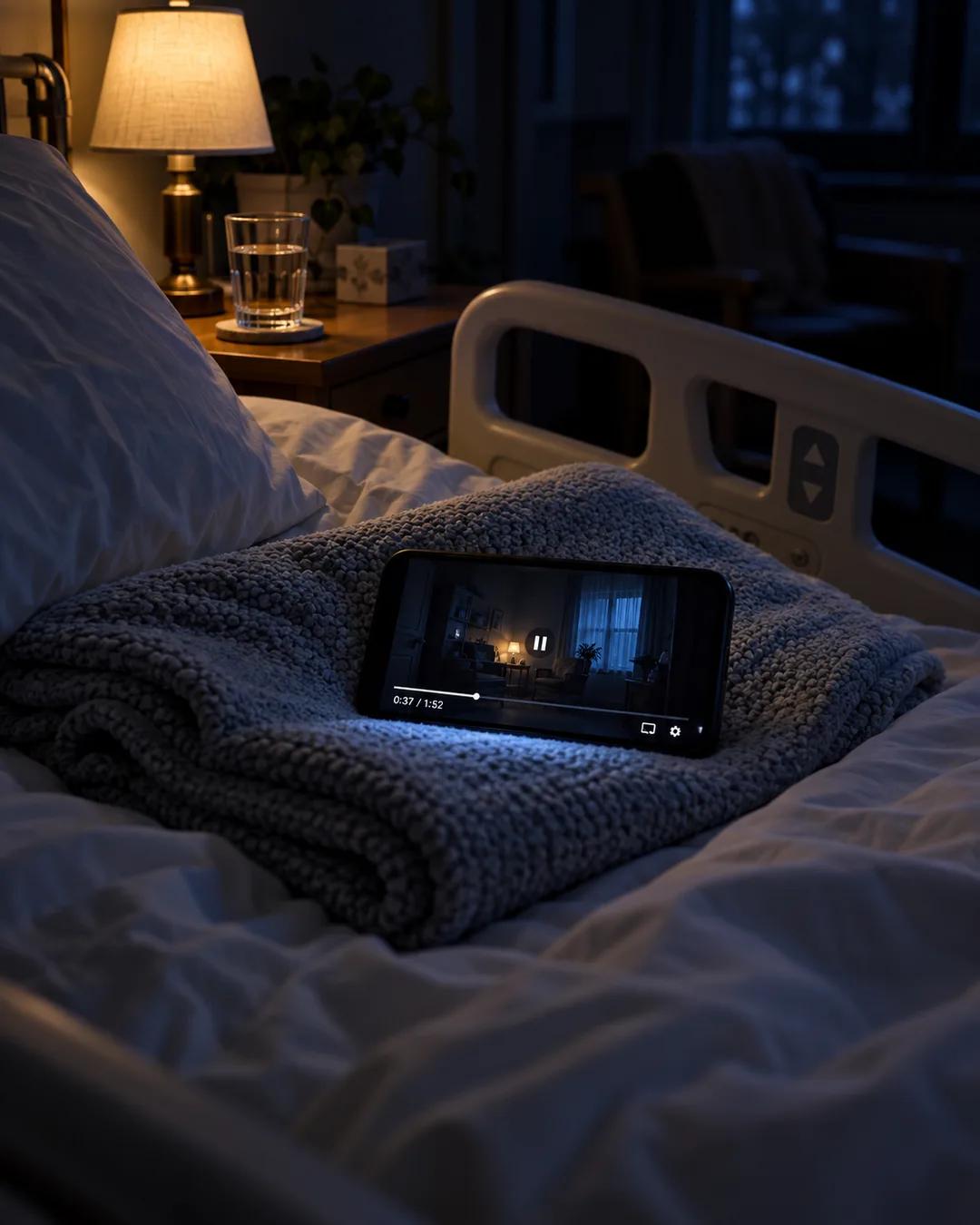
Late-night videos left behind
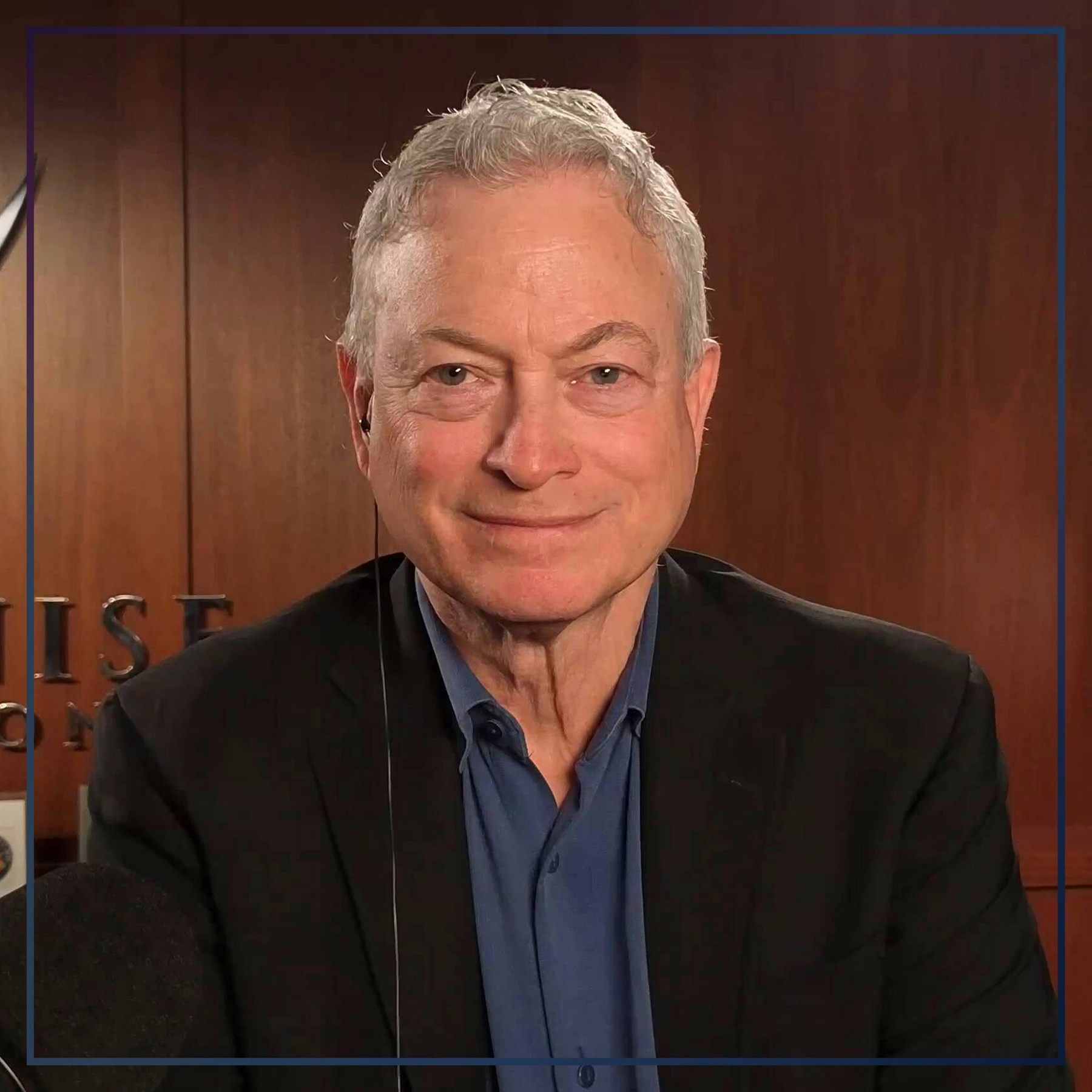
A father who stayed hopeful
Mac had chordoma, a rare spine cancer that paralyzed him, and his father, the actor Gary Sinise, spent those years as the fighter beside him, hunting for drugs and doctors with another idea. He never wanted to have the conversation about what Mac wanted at the end. He worried it would signal that he was giving up, and he stayed hopeful until the night before Mac died.
What he found afterward
After Mac died, his father wanted to connect to him so badly that he didn't know what he was looking for. He went through the text messages first and found notes from people who had written to Mac on the day he died. In the photos, he found videos.
About 14 months before he died, Mac spent 10 days in the ICU, where doctors talked with him privately and very seriously about his body failing. His father was not in the room. From that moment on, Mac wrote and recorded video messages, including one about the time in the ICU when he thought it was the end.
What the recordings held
The recordings were practical and realistic about the fight he was in, though they never took on death head-on. They held thoughts Mac had never discussed with his father, who had avoided the subject so Mac would never think he had given up.
Why does chordoma grow so slowly?
Chordoma comes from leftover cells of the notochord, the flexible rod in an embryo that helps the spine form. In most people those cells fade away, but a few remain in the spine or the base of the skull. Because the cells divide slowly, a tumor can grow for years while causing little more than a dull ache. The Chordoma Foundation estimates the cancer affects about one in a million people each year.
Why do families avoid talking about dying?
Sociologists Barney Glaser and Anselm Strauss gave the pattern a name in their 1965 book Awareness of Dying: mutual pretense. Patient and family each suspect the truth but act as though they don't, because each wants to protect the other. Their conclusions came from fieldwork on hospital wards in the San Francisco area.
How do recorded messages comfort those left behind?
Canadian psychiatrist Harvey Chochinov developed dignity therapy in the early 2000s around this idea. Patients near the end of life answer questions about what they are proud of and what they want remembered, and the recording is turned into a document for the family. The approach grew out of his palliative care work at the University of Manitoba.
More from All There Is with Anderson Cooper