Korva is a scroll of the internet’s best ideas.

What a no teaches
Underneath a no about ice cream, screen time, or a play date, a child is forming rules about how relationships work. He is answering one question: what happens when I want something and another person doesn't give it to me? One answer is that disappointment stinks, he can handle it anyway, it isn't the other person's fault, and the relationship is still okay. The other is that disappointment means something has gone wrong between them, so the other person caused the feeling and owes him a fix. Parents who consistently treat their child's disappointment as a job to remove are teaching the second answer, and it becomes a blueprint for relationships outside the home.
How the practice works
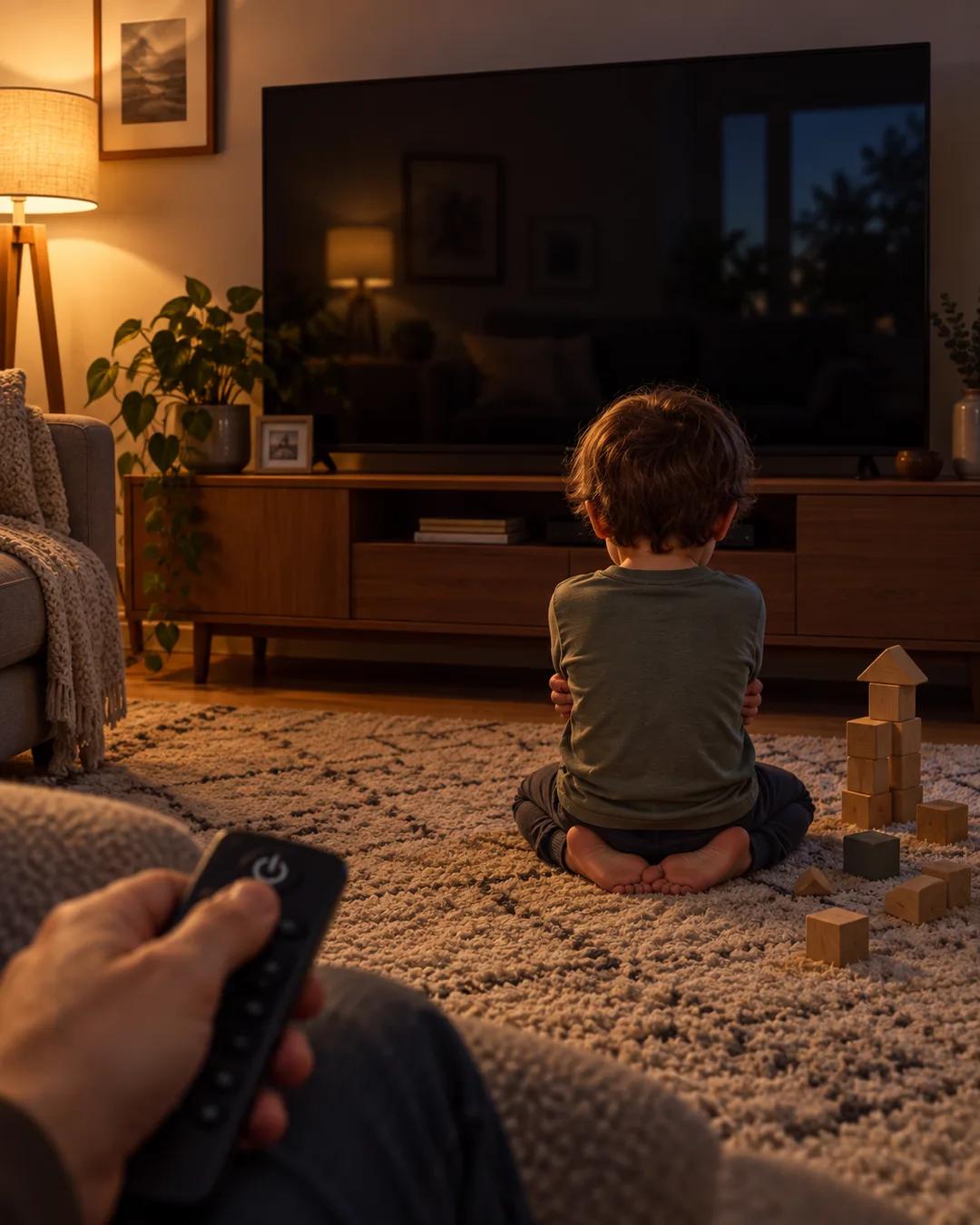
The practice is simple, as long as the no comes from what is best for the child over the long term rather than at random. For a little kid, it means turning off the TV after one show with the remote already in his hand, and then stopping talking. For an older kid asking to ride 45 minutes away with someone the parent doesn't trust, it means telling him the decision has already been made, and stopping there. The child is upset afterward, and that upset is the situation the practice is built for. Kids with the biggest reactions need the most of it, and over thousands of repetitions the fury stays while what he does with it changes.
Whose job is whose
The boundary is the parent's job and the disappointment is the child's. A boy who absorbs that learns the disappointment lives in his own body, and women are not the caretakers or problem-solvers of it.
Why does a small frustration help children develop?
Pediatrician and psychoanalyst Donald Winnicott argued in the 1950s that a caregiver who gradually stops meeting every need helps a child learn that the world is separate from his wishes. He coined the phrase good enough mother for a caregiver who is attentive without being perfect. Later researchers studying how children learn to regulate frustration built on this idea. The phrase remains a staple of developmental psychology.
Why does a child's protest often get louder first?
Behavioral psychologists call this an extinction burst. When a behavior that used to work stops working, it often intensifies briefly before it fades. The escalation is the same strategy tried harder, since it paid off before. The effect has been documented in laboratory studies with animals and in clinical work with children.
How far do childhood patterns reach into adult relationships?
The Minnesota Longitudinal Study of Risk and Adaptation has followed people from before birth into adulthood. Its researchers linked the quality of early caregiving to how participants later handled romantic relationships. John Bowlby proposed that early experiences become internal working models, which are expectations about how close relationships behave. The link is statistical across groups of people, and individual lives vary widely.
More from Good Inside with Dr. Becky