Korva is a scroll of the internet’s best ideas.
Noticing is a skill boys can practice

Practicing noticing at home
Picture a boy teasing his sister. She laughs, then stops laughing and looks at the floor, and he keeps going. A parent can skip the scolding and come back later with a question: she laughed at first, then something changed, did he notice? If he didn't, the parent can name it: she looked at the floor. People often tell you what's going on for them through their bodies rather than their words. Then comes the question of what she might be telling him, with a guess offered: maybe she means please stop.
Why it matters later
That is the same circuit he will need one day when someone who seemed into it a moment ago no longer is, with sex hormones in his body and maybe drugs or alcohol in the mix. If he has already practiced noticing someone go from joining his excitement to not joining it, he is not meeting that shift for the first time.
Everyday reps
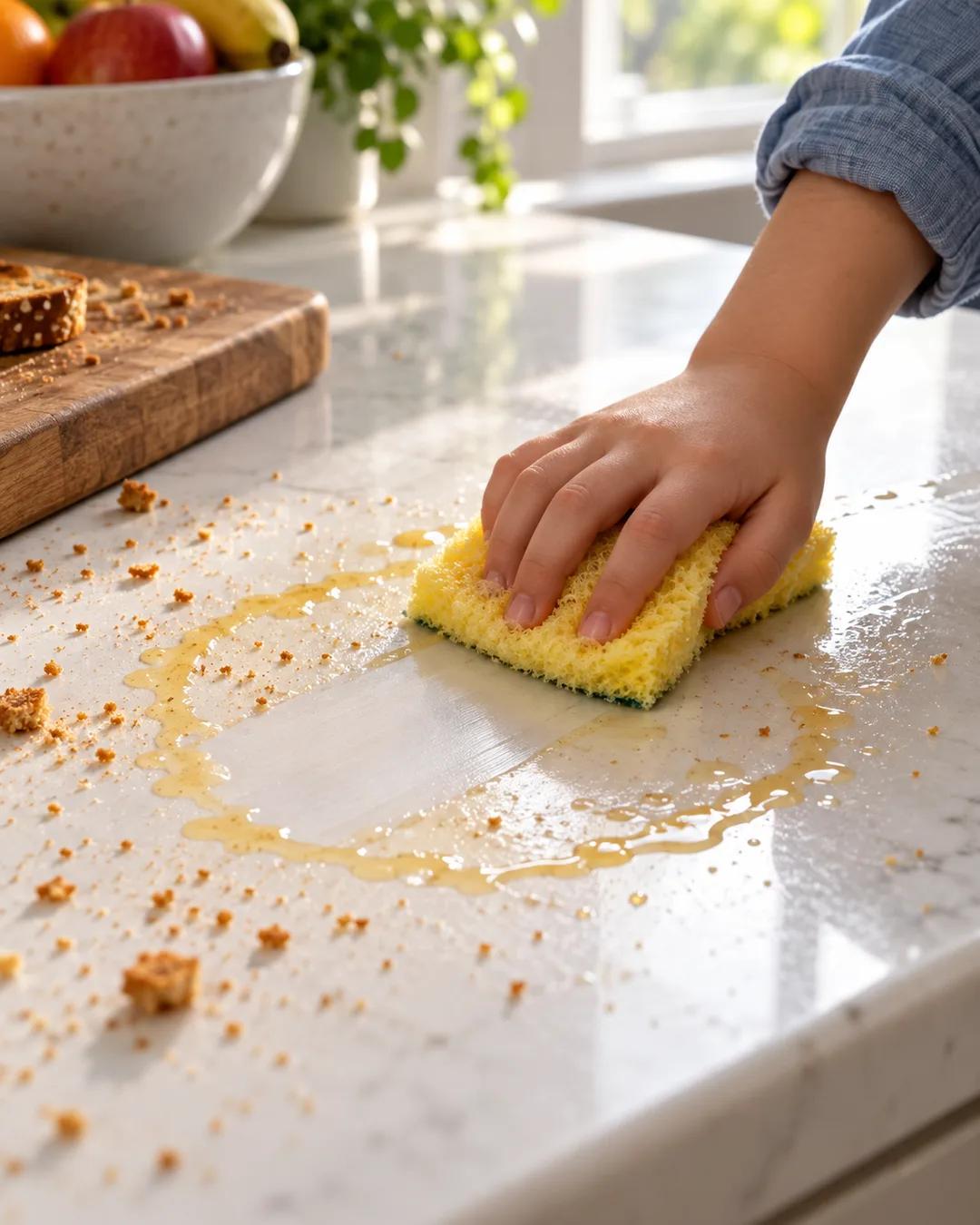
Everyday life offers plenty of reps. A boy who interrupts a phone call can be asked whether he noticed the phone, and what that means about how available the parent is right now. Instead of assigned chores, a child can take a zone, say the kitchen, and once a day notice something that needs doing and then do it. A dirty counter he spots and cleans counts as noticing.
Why do bodies reveal feelings before words do?
Charles Darwin argued in his 1872 book The Expression of the Emotions in Man and Animals that facial and bodily expressions are inherited signals of inner states. In the 1960s and 70s, psychologist Paul Ekman's cross-cultural studies found that people in many societies identified expressions such as fear, anger, and happiness at rates well above chance. Posture, gaze, and movement shift as emotion shifts, often within moments. Researchers still debate how universal each expression is.
When do children begin to read others' feelings?
Developmental psychologists find that children typically pass false-belief tasks around age four, a milestone in understanding that other people have thoughts and feelings of their own. Reading subtle emotional cues keeps improving well past that age. Judy Dunn and colleagues found in a 1991 study that toddlers whose families talked about feelings did better on emotion-understanding tasks at age six.
More from Good Inside with Dr. Becky