Korva is a scroll of the internet’s best ideas.
Life doesn't need sunlight

Fuel, not light
To be a living creature, you have to constantly fill your fuel tank. There is no perpetual motion. On this planet most of that fuel traces back to the sun, but a living thing can get it from other sources.
Hydrogen and carbon dioxide
A microbe that uses hydrogen for fuel can hand its electrons to something like oxygen and make a living. One very possible way to live is to combine hydrogen gas with carbon dioxide, both in relative abundance across the solar system. Microbes on Earth already do it, and they give off methane. That is their fart.
Moons of Jupiter and Saturn
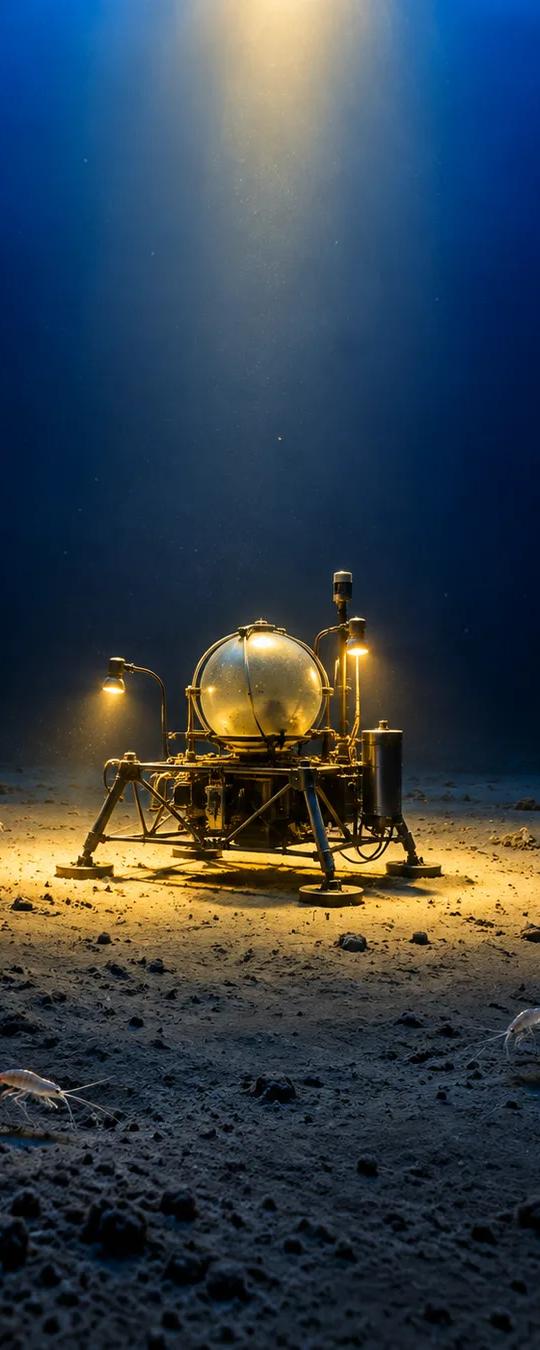
So on the moons of Jupiter and Saturn, in total darkness, there could be microbes living off the same chemicals that microbes live off here. The research studies how those microbes make a living on Earth, then asks where else in the solar system they might be found.
How do microbes make methane from hydrogen?
A group of archaea called methanogens combine hydrogen with carbon dioxide to make methane and water. The reaction releases energy, which the cell captures to live. Methanogens thrive anywhere oxygen is absent, including swamp mud, animal guts, and the sea floor. They are among the oldest known forms of life on Earth.
Why look at the moons of Jupiter and Saturn?
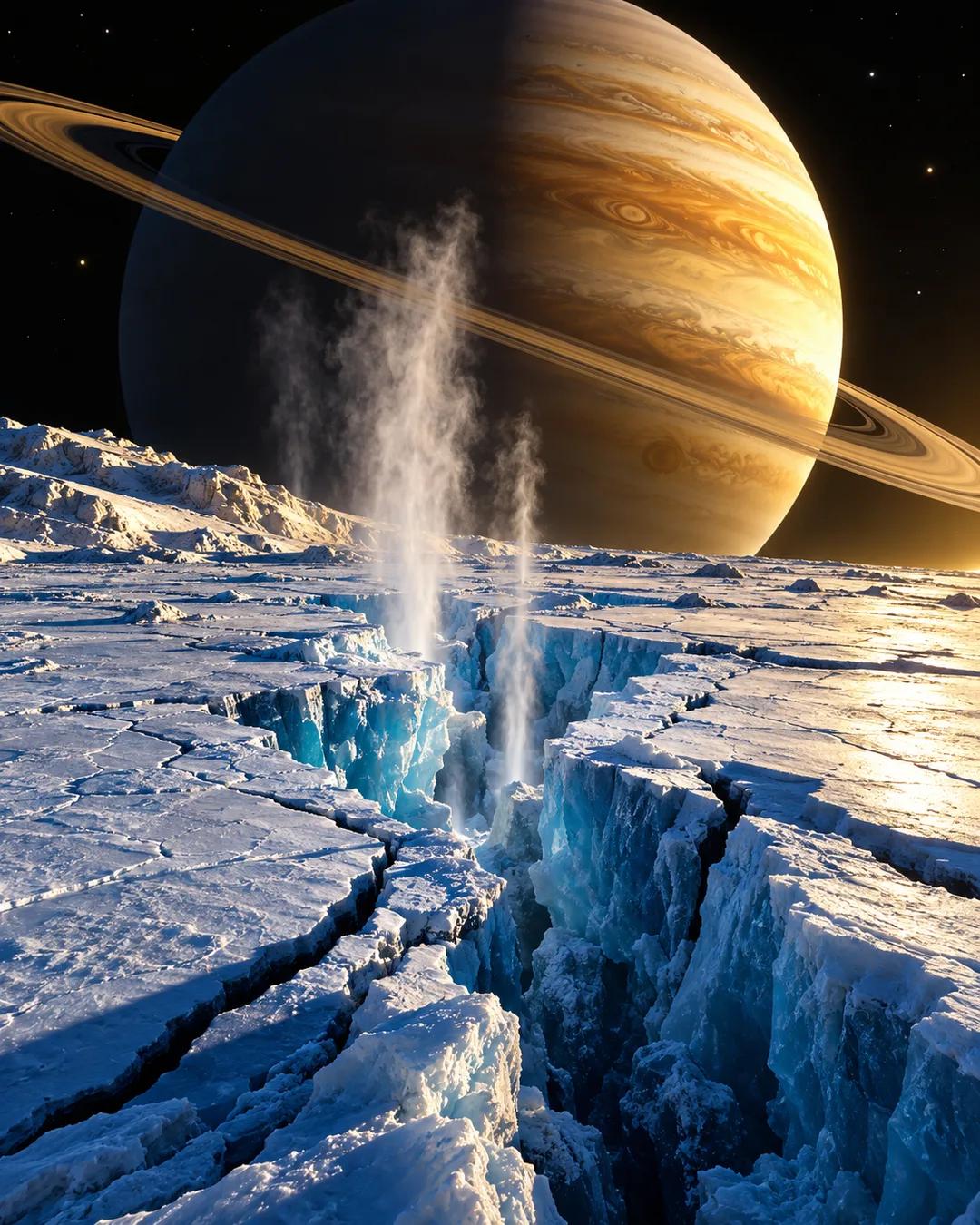
Europa, a moon of Jupiter, and Enceladus, a moon of Saturn, are thought to hold liquid water oceans beneath shells of ice. Plumes from Enceladus were sampled by the Cassini spacecraft. A 2017 study led by Hunter Waite reported molecular hydrogen in that plume. Hydrogen and carbon dioxide are the ingredients methanogens use on Earth.
Why does life always need a fuel supply?
A cell keeps itself organized by constantly spending energy. The second law of thermodynamics says that order tends to fall apart unless energy flows through the system. Cells pay for their order by taking in energy and releasing waste heat. When the supply stops, the cell begins to decay.
More from Ologies with Alie Ward