Korva is a scroll of the internet’s best ideas.
Life is energy plus information
Two kinds of leaps
Some of the leaps were about processing and passing on information, like DNA and language. The others were about capturing energy, like photosynthesis, farming, and, most recently, fossil fuels. Each transition let life build more complex structures, which allowed even more information to be stored and more energy to be captured.
Sunlight beats vents
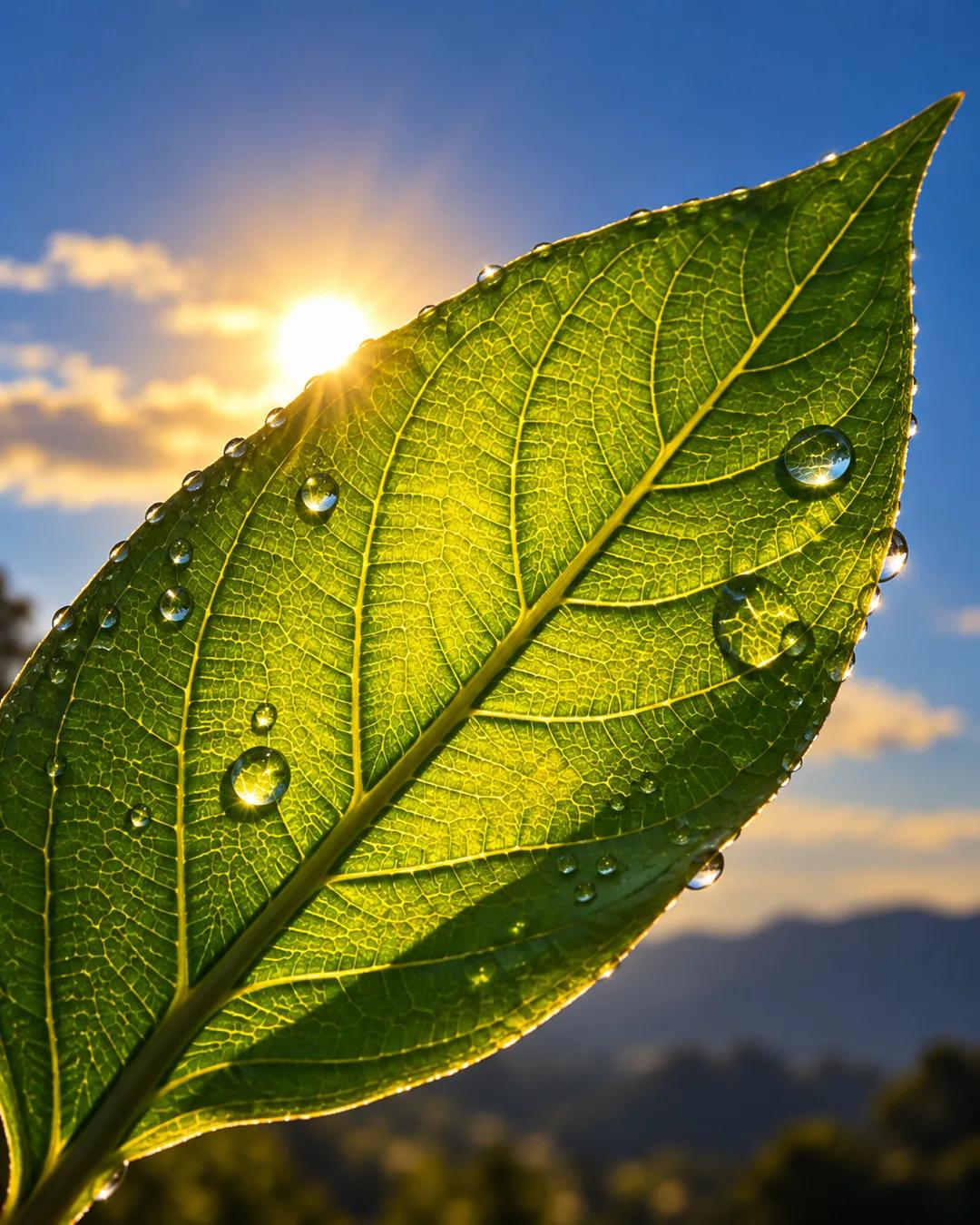
Early life ran on geochemical energy, such as hydrothermal vents, which was minuscule compared with the energy available from the Sun. When some bacteria learned to capture photons and make complex molecules with them, the energy available to life increased enormously.
Culture on biology
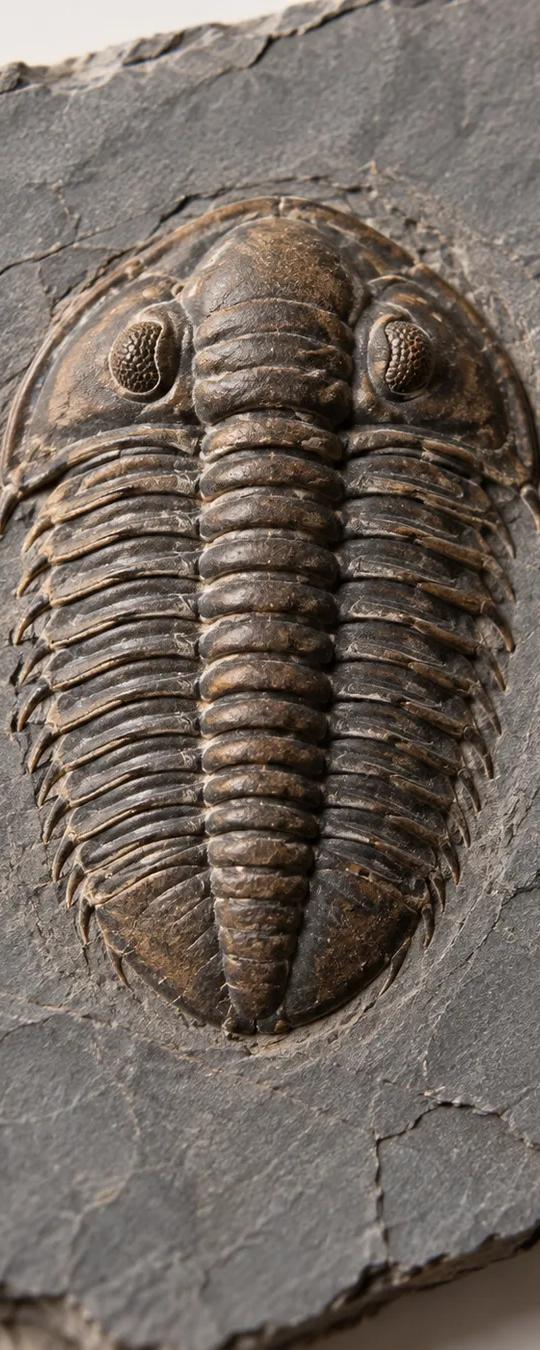
Human cultural evolution was built on top of biological organisms. Human bodies are pretty much the same as they were 30,000, even 100,000 years ago, yet cultures have evolved out of all recognition. The world's humans show vast cultural diversity and almost no biological difference beyond the most superficial ones.
Why could hydrothermal vents power early life?
Vents release fluids rich in hydrogen that react with carbon dioxide dissolved in the surrounding seawater. The reaction releases energy, and it can drive chemistry that builds simple organic molecules. The alkaline vent field Lost City, found in the Atlantic in 2000, has become a model for how this might have worked. Researchers such as Michael Russell and Nick Lane have proposed that life began in such places.
How much more energy does sunlight offer than the Earth's interior?
Sunlight striking Earth delivers about 173,000 terawatts of power. Heat flowing out of the planet's interior amounts to about 47 terawatts. That makes sunlight thousands of times larger than the geological supply. Photosynthesis opened life to that source.
How long have human bodies looked the same?
The oldest known Homo sapiens fossils, from Jebel Irhoud in Morocco, are about 300,000 years old. Their faces and bodies are close to ours, though their braincases were elongated. Any two people differ in roughly one DNA letter in a thousand. All of today's cultural variety grew on top of that small biological difference.
More from On Humans