Korva is a scroll of the internet’s best ideas.
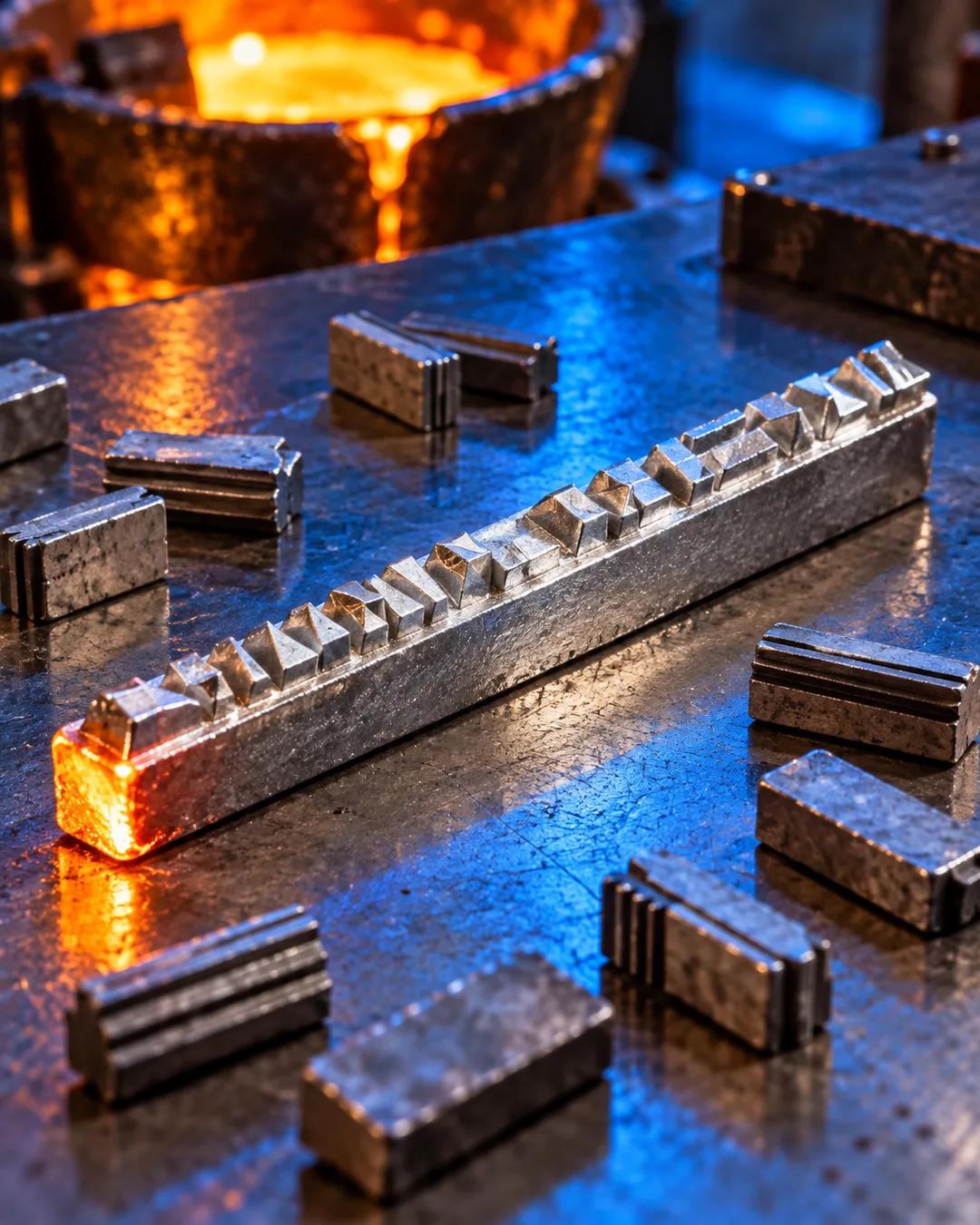
Linotype redesigned the work itself
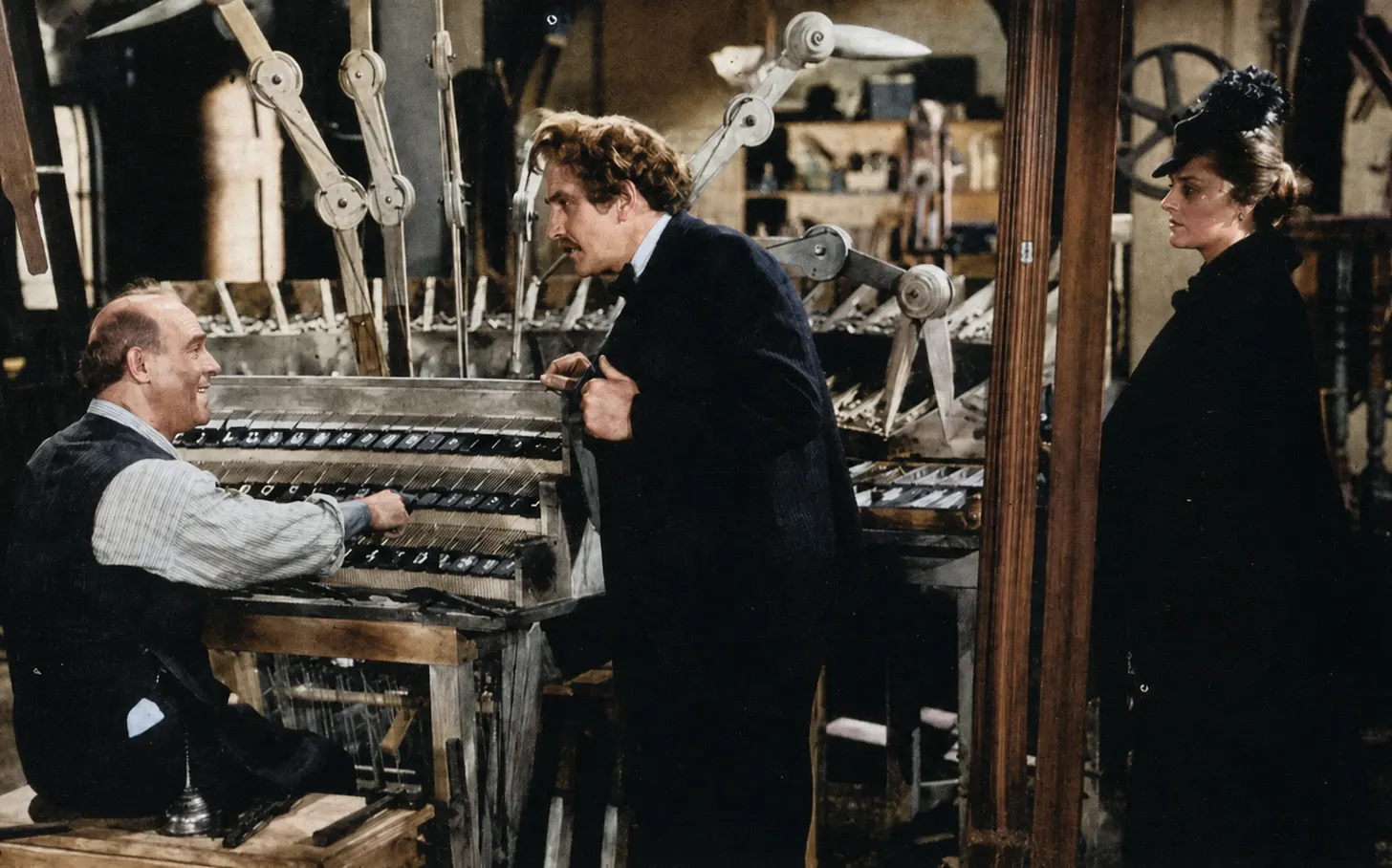
Copying the compositor
Paige built an amazingly complex mechanical imitation of the human compositor, one that repeated a worker's actual movements. Twain loved exactly that part. His writing from the 1880s reads almost like a vision of AGI: he saw the machine as a creature in its own right, and once perfected it would be as complex as the human mind, the machine it ranks next to.
Rethinking the task
The Linotype simplified the problem by doing something humans didn't already do. It cast complete lines of type instead of setting letters one at a time the way a person does.
It was slower at first. But its machine-centric approach claimed the market, and that set off a feedback loop of further improvements until it became far superior.
How does a Linotype cast a whole line?
The operator typed on a keyboard, and each key released a brass mold of a letter, called a matrix, from a magazine above. The matrices fell into place in a row, with wedge-shaped spacebands between the words to stretch the line to the right width. Molten lead was then pressed against the row to cast one solid slug. Afterward, the matrices were carried back to the magazine automatically, ready for the next line.
Why did printers melt down their finished lines?
With hand-set type, every letter had to be sorted back into its compartment in the type case after a job was printed. Linotype slugs skipped that step. Once a page had been printed, the slugs went back into the melting pot and the lead was recast into fresh lines. That meant a newspaper could set new type for each day's edition without anyone redistributing old letters.
Why do early machines imitate human motions?
The first versions of a new technology often copy the thing it replaces. Early automobiles were called horseless carriages because they were built on carriage frames and steered with a tiller. Karl Benz patented his three-wheeled motor car in 1886, the same year the Linotype first ran in a newspaper office. Early films also often simply recorded stage plays from a fixed camera position.
More from Benjamin Breen