Korva is a scroll of the internet’s best ideas.
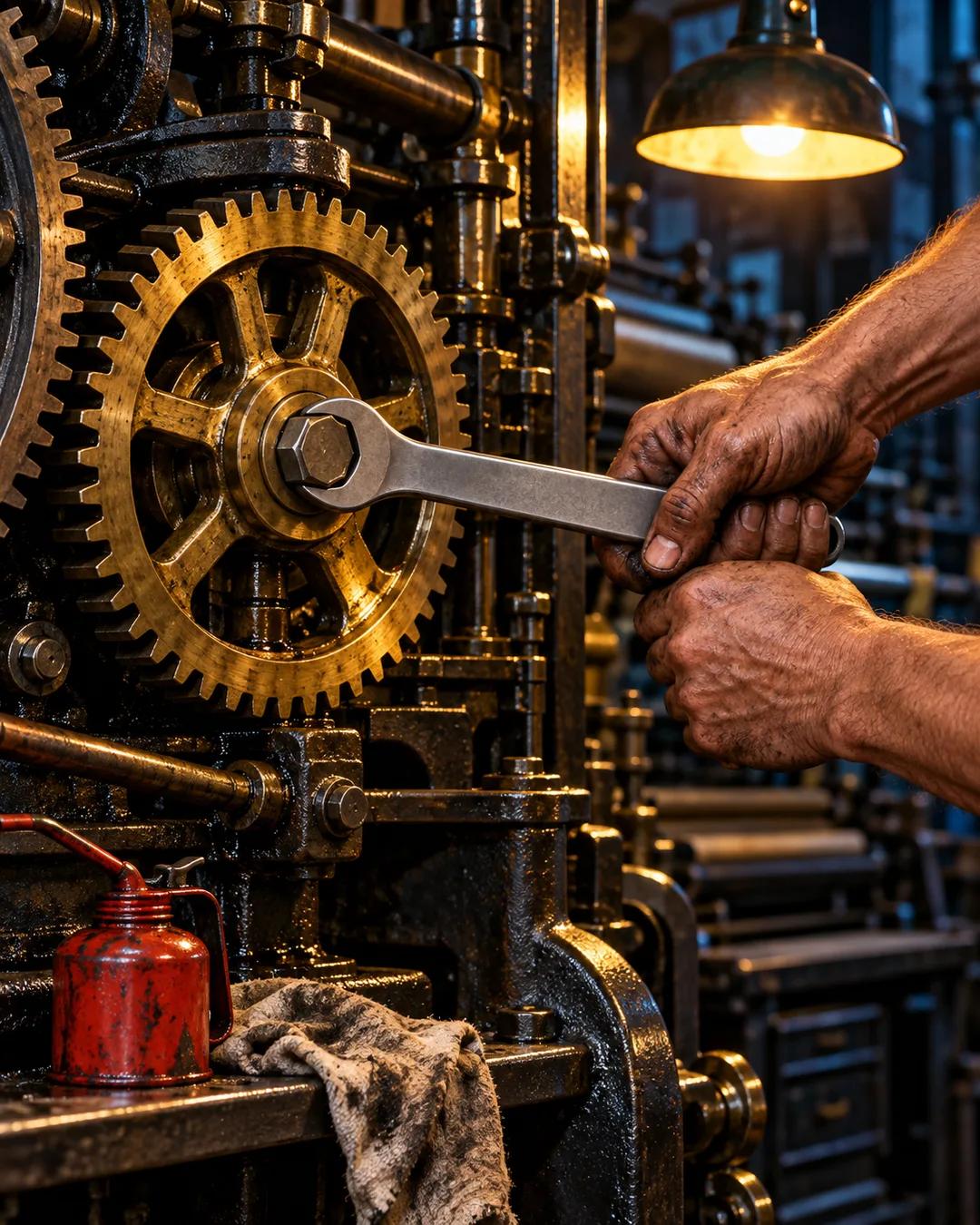
People trust machines they can fix
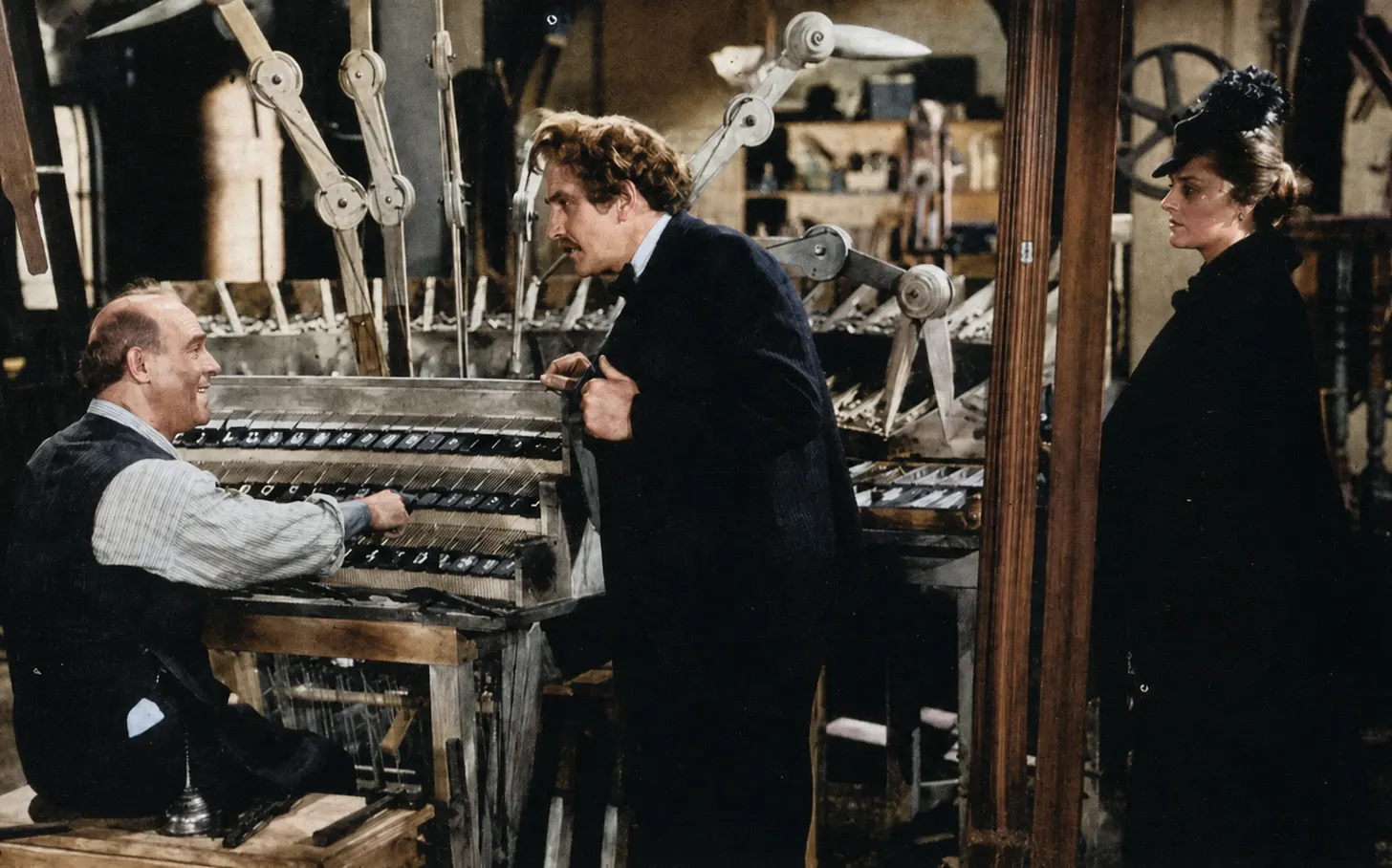
Pristine conditions
Inventors and investors meet a would-be revolutionary machine in a pristine environment, shielded from actual use. Once the technology is out in the world, it breaks in all sorts of ways no one imagined.
Twain's distance
Twain never saw that side of the Paige machine. He never got his hands dirty with the actual work of building it and managed it through letters, so the failure modes, maintenance issues, and edge cases never reached him. What reached him were misleading written progress reports, and with them the dopamine hit of feeling productive and innovative.
The Linotype was far easier to mass produce and repair, and it was the machine that took the market.
Why do machines break differently in daily use?
A prototype is usually run by the people who built it, on clean inputs and in steady conditions. In daily use, a machine meets dust, moisture, uneven wear, and operators who were never trained by its designers. Engineers call failures that show up only after a product ships field failures, and they are the reason testing under harsh and varied conditions is standard practice. Many of them come from combinations of small factors that no single test anticipated.
Why did the Model T spread so widely?
Ford built the Model T from a small number of standardized parts that could be replaced one at a time. A mechanic in a rural town, or an owner with basic tools, could keep one running. The company sold about 15 million of them between 1908 and 1927. Repair shops and parts suppliers sprang up around the car, which gave later buyers an easier time owning one.
More from Benjamin Breen