Korva is a scroll of the internet’s best ideas.
Low VO2 max, five times the risk

All-cause mortality counts deaths from any cause, which makes it blind to how a person dies. Compared with people at the 50th to 75th percentile, the bottom quarter for age and sex carries roughly double the risk. The gap to the elite is about 400%, probably the strongest association seen for any modifiable behavior.
Elite is judged against a person's own age group, so it takes no world-class athletic ability to reach it.
For comparison, smoking carries about a 40% greater risk of death at any point in time, which differs from a lifespan 40% shorter, and high blood pressure adds 20% to 25%. Low muscle mass runs about three times the risk of high muscle mass, and low strength about three and a half times.
Why does fitness predict survival so well?
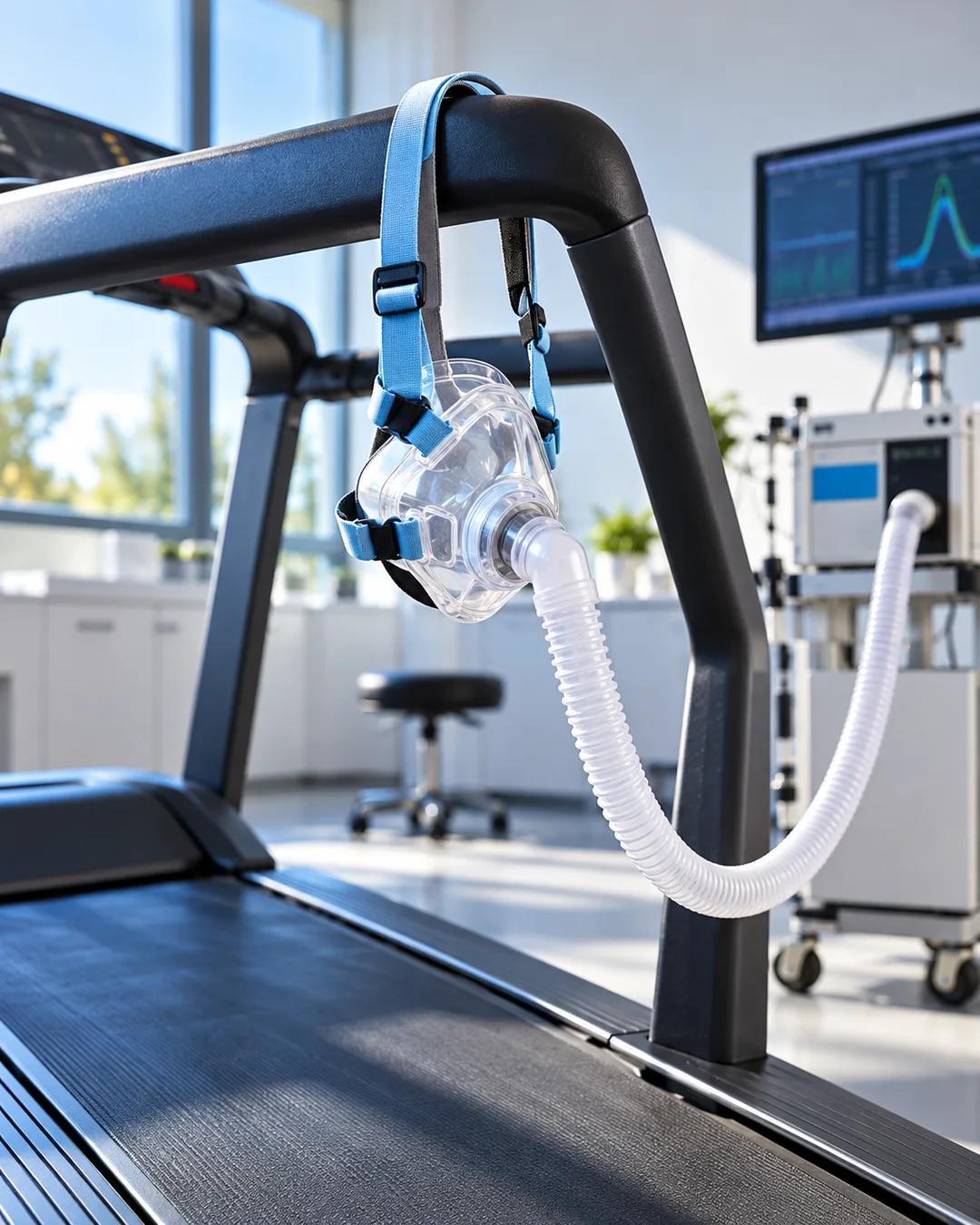
In 2018, Kyle Mandsager and colleagues at the Cleveland Clinic published a study in JAMA Network Open that followed 122,007 patients who had taken a treadmill test. Low cardiorespiratory fitness carried a mortality risk comparable to or higher than smoking, diabetes, and coronary artery disease. Elite performers had the lowest risk of any group, and the authors found no upper limit to the benefit.
Why are fitness levels ranked within age groups?
Maximal oxygen uptake falls with age, so the same number means different things at 30 and at 70. The FRIEND registry, a US database of tens of thousands of exercise tests, publishes percentile tables by age and sex. Those tables are what put a 50-year-old and a 70-year-old on a comparable percentile scale.
Why do studies count deaths from any cause?
Cause of death on death certificates is often imprecise, and studies comparing certificates with autopsy findings have repeatedly found substantial disagreement on the underlying cause. Counting every death avoids that classification problem. It also captures cases where an intervention lowers one cause of death but shifts deaths toward another.
More from Andrew Huberman