Korva is a scroll of the internet’s best ideas.
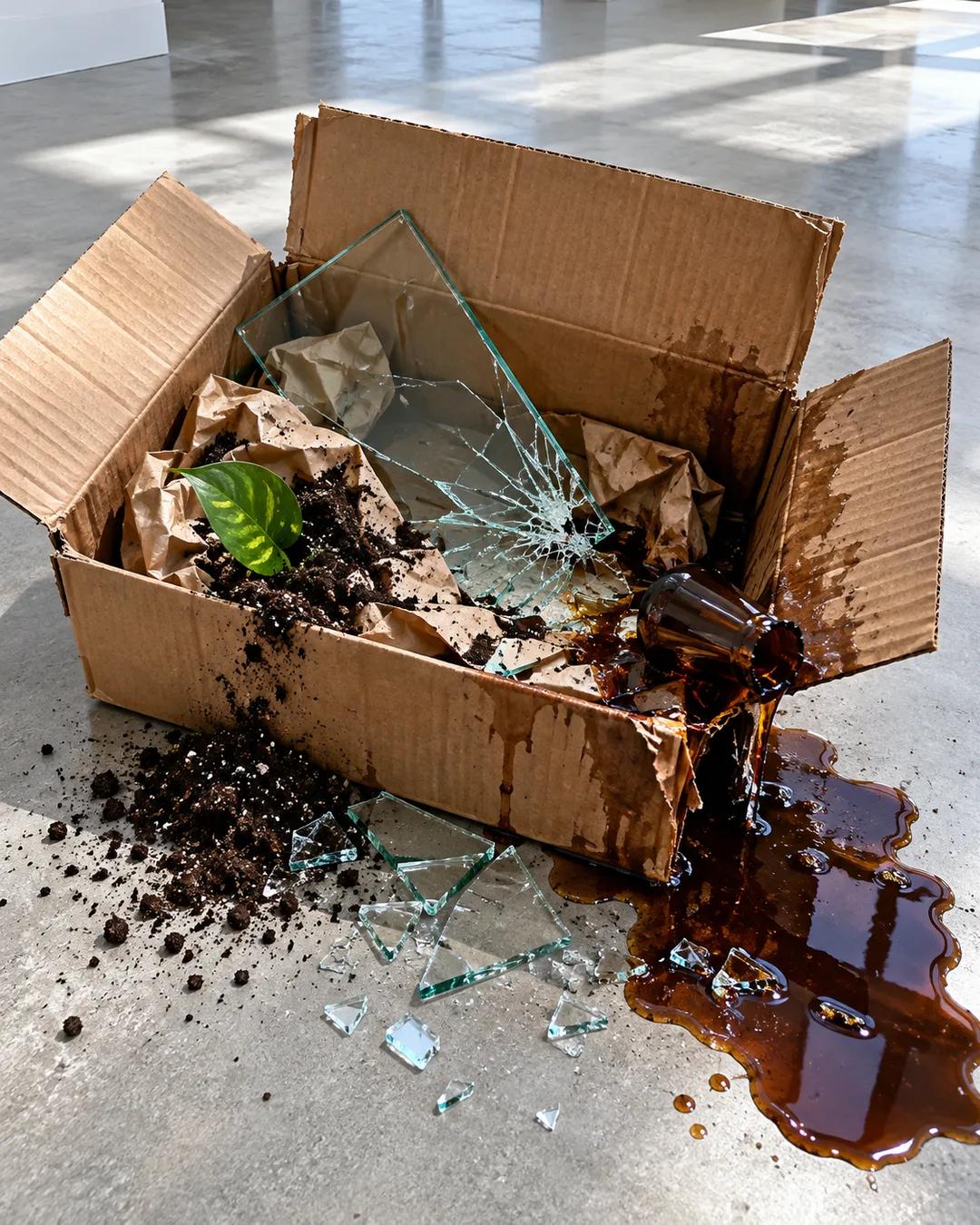
Mailers that leaked and shattered

The Mailer Plan
The company was SharpSpring, a marketing automation platform built for marketing agencies, during the years when startups spent to grow at almost any cost. The goal was one booked demo, because the pricing model sold itself once an agency saw it. The plan was an elaborate direct mail campaign, built on the way a package on one desk draws a crowd around it in an office before the pandemic.
Where Packages Failed
The root beer float kits leaked, and the returned packages leaked again in the company lobby. The money tree arrived with potting soil that ended up all over the recipient's desk. Hired designers redrew each agency's logo and had it printed on glass, and some of those arrived as shards. A lemonade promotion turned out just as sticky.
The Slinky mailer, meant to suggest a platform that grows with you, went worst. An agency owner got a notice about a package, drove to the waterfront warehouses to collect it after a failed delivery over an incomplete address, and found a Slinky. He sent back a furious email about wasting his afternoon.
The Result
The company still grew quickly and sold for many millions of dollars. Low-paid entry-level marketers packed stacks of boxes in conference rooms and stayed late while someone drove them to FedEx.
Why do lumpy packages get opened more than letters?
Direct marketers call a package with an object inside it dimensional mail, or lumpy mail. A flat envelope looks like every other envelope, but a box with weight and shape signals that something unusual is inside, so the person it is addressed to tends to open it instead of sorting it away. The cost is steep, since postage for a package is far higher per piece than for a flat letter.
Why does shipped glass so often arrive in shards?
Glass is strong when pressed evenly but brittle, so a sharp shock or a flex across one surface can start a crack that runs through the whole piece. Parcels travel through sorting machines, chutes, and conveyor belts where boxes drop and collide. The International Safe Transit Association publishes standardized drop and vibration test procedures that shippers use to check whether packaging survives that trip.
Why does a Slinky walk down stairs?
A Slinky is a stretched helical spring, and each coil pulls on its neighbors. When the top coils tip over the edge of a step, gravity and spring tension carry the rest of the coils along in a wave. The toy was invented in the early 1940s by Richard James, a naval engineer who watched a tension spring step across a surface after it fell from a shelf.
More from Embracing Marketing Mistakes