Korva is a scroll of the internet’s best ideas.

Make your own study guide
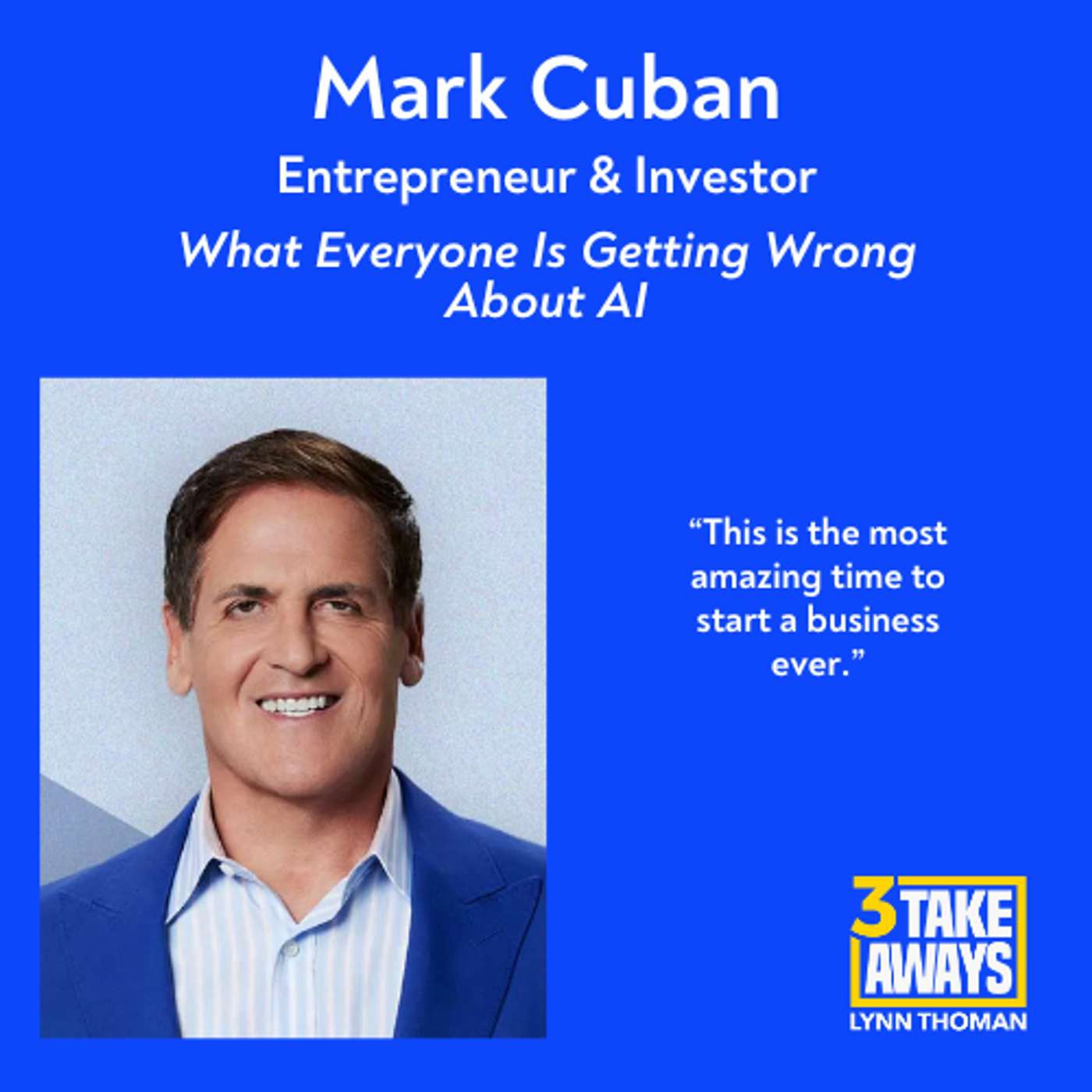
Building your own study guides is a skill schools still don't emphasize enough, because anyone can learn anything they decide they need to know. A topic that is new comes with a guide on request.
Mark Cuban's example is grilling, which he hadn't done in about five years. A study guide from Claude gets him the basics quickly, and then a YouTube tutorial shows how it's done.
He has told his kids to use study guides this way whenever their school allows it. The guide puts information within reach of anyone, and it only helps a person who wants to learn the subject. AI is useless to anyone who doesn't want to learn.
Why does a study guide speed up learning?
A guide sorts a topic into its main parts, so a learner knows what to look for in later reading. Study guides often include practice questions, which matters because of a 2006 experiment by Henry Roediger and Jeffrey Karpicke. In it, students who tested themselves on a passage remembered more a week later than students who simply reread it.
Why pair a written guide with a video?
Psychologist Allan Paivio's dual coding theory holds that people store verbal and visual information in separate but linked systems. Material taken in both ways gives memory two routes back to it. A physical skill like grilling shows details on video that are hard to put into words. Paivio, who worked at the University of Western Ontario, first set out the theory in the early 1970s and refined it in a 1986 book.
Why can AI study guides contain errors?
Language models are trained to predict likely text from huge collections of writing. They do not look facts up in a database unless they are connected to one, so a fluent sentence can still be wrong. Researchers call confident false statements from a model hallucinations. Some products add web search so the model can check claims against live sources.
More from 3 Takeaways