Korva is a scroll of the internet’s best ideas.
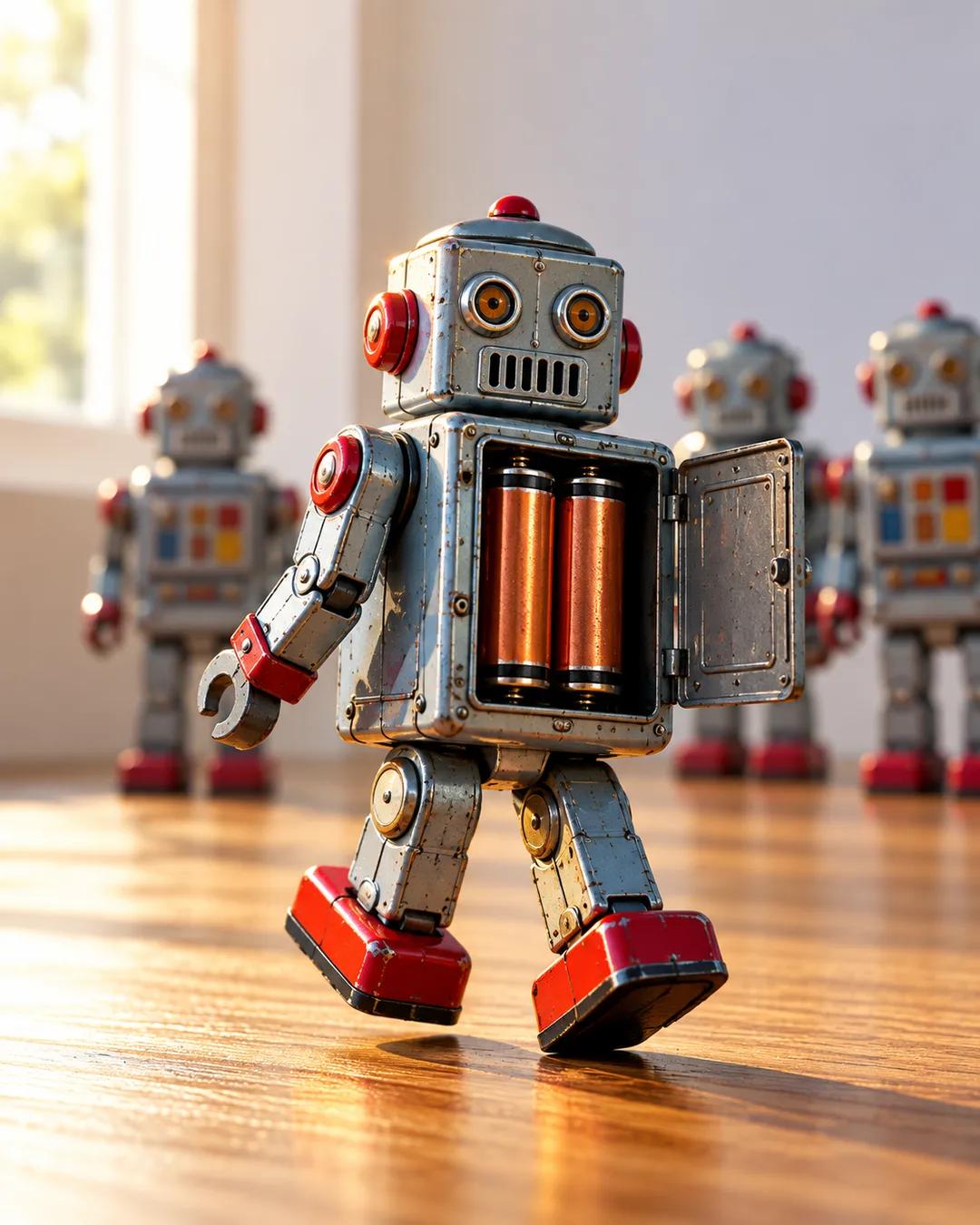
Maniacs come batteries included
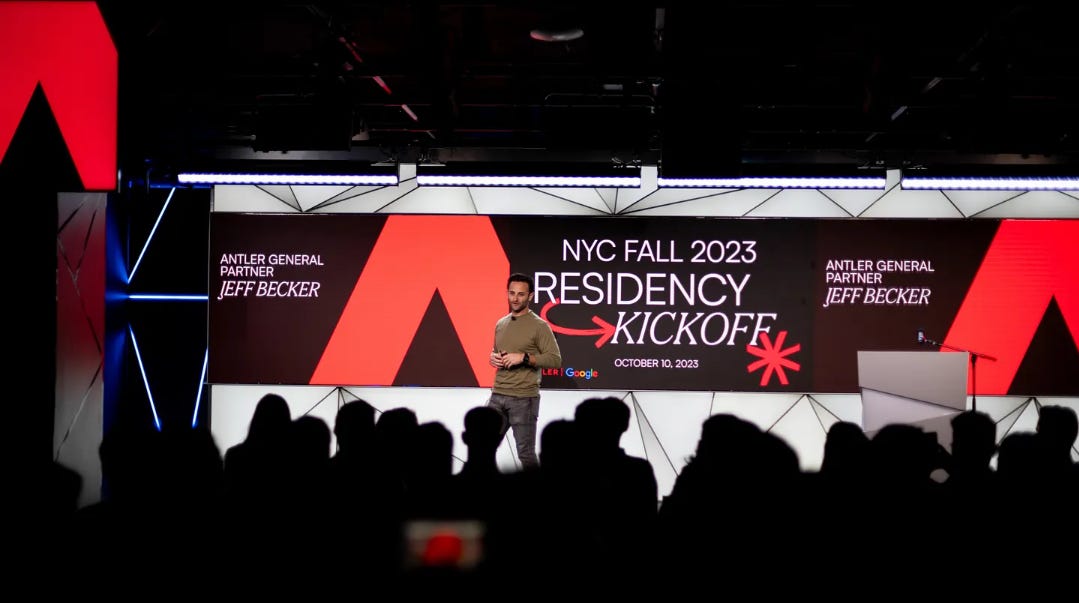
Batteries included
Founders who become unicorns are called maniacs, and the term for what sets them apart is batteries included. They don't need to be motivated or inspired. They are their own source of both.
Where the bar sits low
Among the 99.3% who don't become unicorns, the common thread is a bar set too low, and on far more than one thing. Talent, obsession over details, work ethic, and speed all sit lower than they should. So do the value they create and the altitude, consistency, and clarity of their communication.
The same low bar shows up in culture and in asking for what they want. It shows up in reducing complexity, beautiful design, storytelling, focus, resilience, and personal confidence, and in leverage, first principles, and having a unique opinion. It is too low on basically everything.
What electrifies a founder is that sense of urgency, which comes with an impatience for perfection.
Why are billion-dollar startups called unicorns?
Investor Aileen Lee coined the term in 2013 while at the firm Cowboy Ventures. She used it because a startup reaching a billion-dollar valuation was so rare, like the mythical animal. Her count found 39 American software companies founded in the 2000s that had reached that value. The word has since become standard shorthand across venture capital.
Why does self-driven motivation last longer?
Psychologists Edward Deci and Richard Ryan built self-determination theory around this question. In a 1971 experiment, Deci had students work on a puzzle, and those who were paid for it spent less free time on the puzzle afterward than those who were not. The finding suggested that outside rewards can crowd out interest a person already has. Later studies in schools and workplaces have tested the same pattern.