Korva is a scroll of the internet’s best ideas.
Math was always the scientist's burden
Math as the hard part
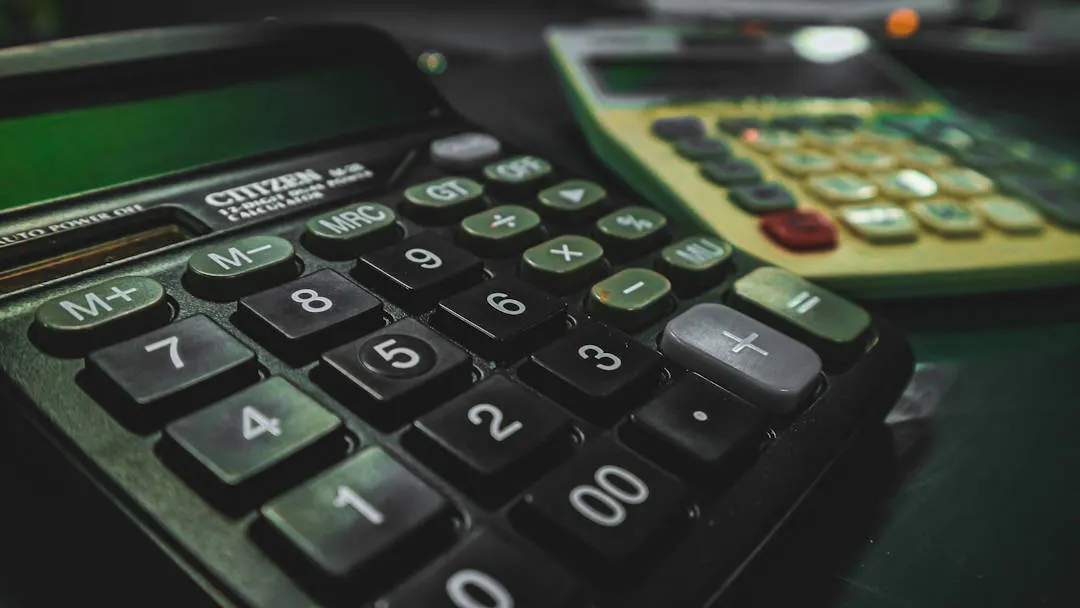
Math is something our brains aren't naturally adapted to, and it was always one of the hardest parts of science. Economists no longer have to wrack their brains over the theory section of a paper. They can focus on getting data and understanding empirical results.
For most people, math was a burden, like stamping metal or drilling holes, and machines now carry it. Science may speed up 100x or only 1.5x, which remains to be seen.
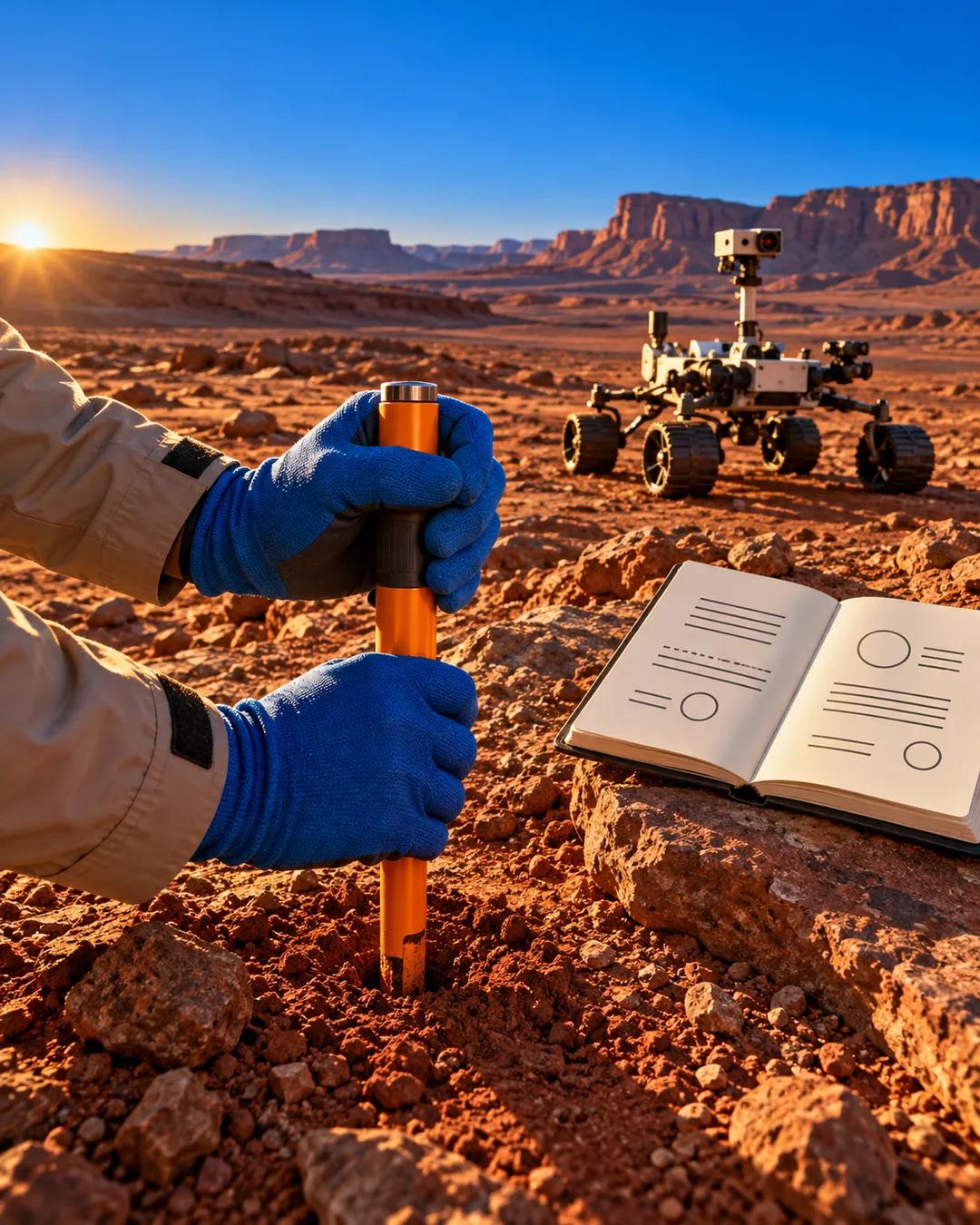
Scientists as explorers
Until systems of robots and sensors eliminate the need for human research labor, most scientists get to be a little more heroic than before. They are like the characters in Star Trek, exploring the unknown with the aid of unfathomably powerful machines.
Why aren't human brains built for math?
The human brain has an inborn sense for approximate quantity, which lets infants and many animals tell a small group from a large one. Exact symbolic arithmetic is a recent cultural invention, and learning it takes years of schooling. Neuroscientist Stanislas Dehaene described this in his 1997 book The Number Sense. In a 2004 study in Science, Pierre Pica and colleagues found that the Munduruku people of the Amazon, whose number words stop at about five, could still compare large quantities approximately.
How did economics become so mathematical?
Before the mid-twentieth century, most economics was written in prose and diagrams. Paul Samuelson's 1947 book Foundations of Economic Analysis recast economic theory in the language of calculus and optimization. Research groups such as the Cowles Commission, founded in 1932, pushed the same approach. Samuelson won the Nobel Memorial Prize in Economic Sciences in 1970, the first American to do so.
How did early computers speed up calculation?
ENIAC, completed in 1945 at the University of Pennsylvania, was built to compute artillery firing tables for the U.S. Army. The Army's accounts say it could calculate a shell's trajectory in about 30 seconds, a job that took a person with a desk calculator roughly 20 hours. Before such machines, teams of people, many of them women, worked as human computers doing this arithmetic by hand. ENIAC was announced to the public in February 1946.
More from Noah Smith